

Physiotherapy is far more than a back rub or a set of stretches handed over on a photocopied sheet. Many people in Bedfordshire and Buckinghamshire arrive at their first appointment expecting something passive, only to discover a structured, evidence-based profession that addresses the root causes of pain and reduced movement. Whether you are managing a long-standing musculoskeletal condition, recovering from a sports injury, or dealing with chronic pain that has disrupted your daily life, physiotherapy offers a whole-person approach that goes well beyond surface-level relief. This guide walks you through how physiotherapy works, what the evidence says, and how to get the most from your care.
Table of Contents
- What defines physiotherapy?
- Core treatments and therapies explained
- Evidence and results: how effective is physiotherapy?
- Who can benefit from physiotherapy?
- What to expect from your first physiotherapy session
- How physiotherapy supports long-term recovery and active lifestyles
- Find expert physiotherapy support in your area
- Frequently asked questions
Key Takeaways
| Point | Details |
|---|---|
| Holistic treatment approach | Physiotherapy addresses both physical and psychological well-being for optimal recovery. |
| Evidence-based results | Exercise and targeted therapies are proven to relieve pain and improve function in many cases. |
| Tailored to your needs | Treatment plans are personalised based on your injury, lifestyle, and recovery goals. |
| Early intervention matters | Seeing a physiotherapist soon after injury boosts recovery and can prevent chronic problems. |
What defines physiotherapy?
Physiotherapy is a regulated healthcare profession focused on physical, psychological, and social well-being. It is not simply about treating a sore shoulder or a strained knee in isolation. Instead, it considers how your body moves, how your lifestyle contributes to pain, and how your mental state affects recovery. The scope of physiotherapy covers a wide range of physical conditions, with musculoskeletal issues sitting at the heart of most clinical caseloads.
"Physiotherapy is a healthcare profession that uses physical approaches to promote, maintain and restore well-being, primarily treating musculoskeletal conditions." — Chartered Society of Physiotherapy
All practising physiotherapists in the UK must be registered with the Health and Care Professions Council (HCPC) and are guided by the standards of the Chartered Society of Physiotherapy (CSP). This means every treatment recommendation must be grounded in current clinical evidence, not habit or guesswork.
Key characteristics of the profession include:
- Regulated practice under HCPC and CSP standards
- Evidence-based decision making at every stage of care
- Whole-person assessment covering physical, psychological, and social factors
- Patient education as a core part of every treatment plan
- Applicability across age groups, activity levels, and health conditions
The NHS physiotherapy overview confirms that physiotherapy supports people across a broad spectrum of conditions, from post-surgical rehabilitation to managing long-term pain.
Core treatments and therapies explained
Physiotherapy draws on four main pillars in clinical practice. The core methodologies include exercise and rehabilitation, manual therapy, therapeutic technologies, and allied approaches such as education and self-management strategies. Understanding these pillars helps you know what to expect and why your physiotherapist recommends a particular combination.
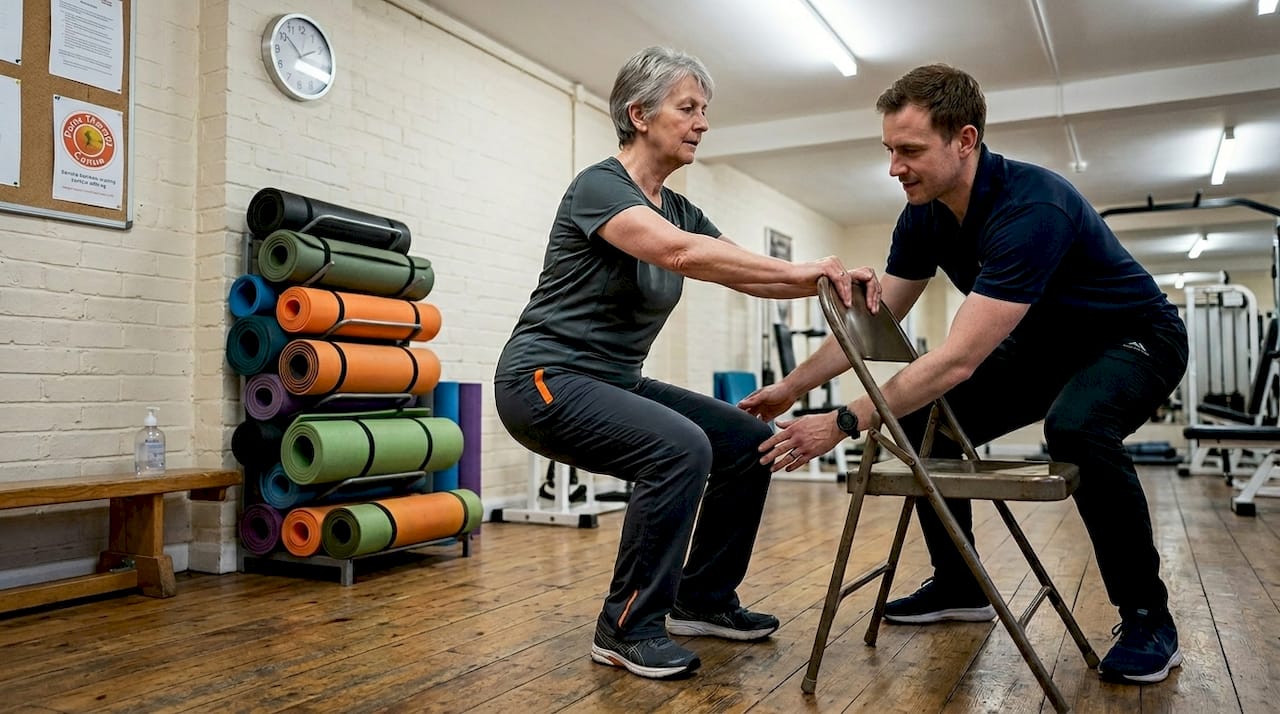
You can explore specific physiotherapy techniques in more detail to understand which approach might suit your condition best.
| Approach | Best used for | Potential limitations |
|---|---|---|
| Exercise and rehabilitation | Strengthening, restoring movement, long-term recovery | Requires patient commitment and consistency |
| Manual therapy | Joint stiffness, acute pain, restricted mobility | Short-term gains; works best combined with exercise |
| Therapeutic technologies | Soft tissue healing, pain modulation, swelling reduction | Adjunct only; not a standalone solution |
| Education and self-management | Chronic pain, lifestyle-related conditions, relapse prevention | Effectiveness depends on patient engagement |
In practice, most physiotherapists blend these approaches. A runner with a knee injury might receive manual therapy to restore joint mobility, a targeted exercise programme to rebuild strength, and education on training load management to prevent recurrence.
Pro Tip: There is no single best treatment. The right combination depends on your specific injury, your pain levels, your goals, and how your body responds. Always discuss your preferences openly with your physiotherapist.
Evidence and results: how effective is physiotherapy?
The evidence base for physiotherapy is substantial and continues to grow. Exercise and psychosocial interventions show moderate to strong evidence for reducing musculoskeletal pain and improving physical function. For chronic low back pain specifically, combining manual therapy with exercise produces meaningful short-term improvements in both pain and mobility.
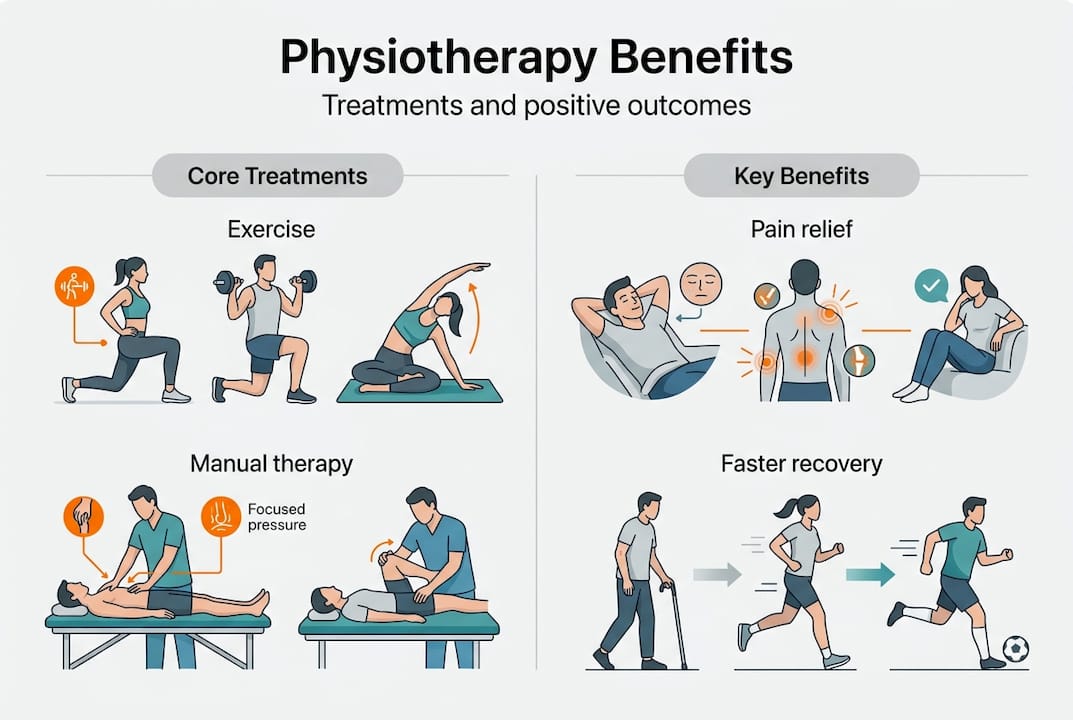
However, it is worth noting that physiotherapy is not always superior to every other treatment for every condition. NICE guidelines, for example, favour exercise as the first-line approach for certain chronic conditions rather than passive therapies alone. This nuance matters because it shapes how your care plan is built.
| Therapy | Condition | Evidence strength | Typical outcome |
|---|---|---|---|
| Exercise therapy | Chronic low back pain | Strong | Reduced pain, improved function |
| Manual therapy plus exercise | Acute and chronic MSK pain | Moderate to strong | Short-term pain relief, mobility gains |
| Pilates-based rehabilitation | Spinal conditions, post-surgical recovery | Moderate | Core stability, reduced recurrence |
| Education and self-management | Chronic pain, fibromyalgia | Moderate | Better coping, reduced healthcare use |
Research consistently shows that patients who combine manual therapy with active exercise report significantly better outcomes than those who rely on passive treatment alone. For those interested in structured movement-based recovery, Pilates for recovery offers a well-evidenced complement to standard physiotherapy.
Pro Tip: Recovery is not something that happens to you. It happens because of you. Staying active, completing your home exercises, and communicating honestly with your physiotherapist are the three habits that consistently separate fast recoveries from slow ones.
Who can benefit from physiotherapy?
Physiotherapy is not reserved for elite athletes or post-operative patients. Evidence supports its use for a wide range of people, including those managing musculoskeletal pain, chronic conditions, and sports-related injuries across Bedfordshire and Buckinghamshire.
People who typically benefit most include:
- Those with musculoskeletal injuries such as sprains, strains, tendon problems, and joint pain
- Individuals with chronic pain including back pain, neck pain, and conditions like osteoarthritis
- Sports participants and athletes recovering from injury or looking to prevent future problems
- Older adults managing age-related changes in strength, balance, and mobility
- People recovering from surgery who need structured rehabilitation to regain function
- Office workers and manual labourers dealing with posture-related or repetitive strain issues
Access in the region is available through both NHS and private routes. Private clinics often offer faster appointments and more flexibility in treatment frequency. Understanding physiotherapy for injury prevention is particularly valuable for active adults who want to stay ahead of problems rather than react to them. You can also review practical injury prevention steps to build resilience into your routine.
Pro Tip: Early intervention is one of the most powerful tools in physiotherapy. Addressing a problem within the first few weeks almost always leads to faster recovery and reduces the risk of it becoming a long-term issue.
What to expect from your first physiotherapy session
Many people feel uncertain before their first appointment. Knowing what to expect removes that anxiety and helps you get more from the session. Patient-centred, evidence-based care is the standard in modern physiotherapy, meaning your therapist will build a plan around your specific needs rather than applying a generic protocol.
Here is what typically happens:
- Initial consultation: Your physiotherapist will ask about your symptoms, medical history, lifestyle, and goals. Be as specific as possible about when pain started, what makes it worse, and how it affects your daily life.
- Physical assessment: This involves observing your posture, testing your range of movement, assessing muscle strength, and identifying areas of restriction or sensitivity.
- Diagnosis and explanation: Your physiotherapist will explain what they have found in plain language, including what is likely causing your symptoms.
- Goal setting: Together, you will agree on realistic, measurable goals for your recovery, whether that is returning to sport, reducing daily pain, or improving sleep.
- Initial treatment: Many sessions include some hands-on treatment or guided exercise on the first visit, alongside advice for managing symptoms at home.
- Home programme: You will usually leave with specific exercises or self-management strategies to practise between sessions.
Wear comfortable, loose clothing that allows easy access to the area being treated. Exploring techniques explained beforehand can also help you feel more prepared and confident going in.
How physiotherapy supports long-term recovery and active lifestyles
The goal of physiotherapy is not to create dependency on a clinic. The best outcomes come when patients actively participate in their own care and gradually take ownership of their recovery. This transition from guided treatment to independent self-management is a deliberate part of the process.
Habits and routines that support lasting recovery include:
- Consistent home exercise: Short daily sessions are more effective than occasional long ones
- Posture awareness: Small adjustments at your desk, in the car, or during sport can prevent recurrence
- Load management: Gradually increasing activity rather than rushing back to full intensity
- Sleep and recovery: Quality sleep accelerates tissue repair and reduces pain sensitivity
- Staying informed: Understanding your condition reduces fear and encourages appropriate movement
For those dealing with sports-related problems, guidance on managing sports injuries and a dedicated sports injury prevention guide provide practical frameworks for staying active without setbacks. Active approaches consistently outperform passive ones for chronic pain and sports recovery, and the evidence strongly supports keeping movement at the centre of any long-term plan.
Find expert physiotherapy support in your area
If this guide has helped you understand what physiotherapy can offer, the next step is connecting with a qualified professional who can assess your specific situation and build a plan around your goals.
At The Parks Therapy Centre, our team of experienced physiotherapists has been supporting people across Bedfordshire and Buckinghamshire since 1986. We offer appointments across multiple local clinics, accept most major insurance providers, and provide a full range of services from sports injury rehabilitation to chronic pain management. Where imaging is needed to support your diagnosis, we also offer diagnostic imaging referrals to ensure you receive a complete picture of your condition. Book online today and take the first step towards lasting recovery.
Frequently asked questions
How soon after an injury should I see a physiotherapist?
See a physiotherapist as soon as possible if pain or restricted movement persists beyond a few days. Early assessment significantly reduces the risk of an acute injury becoming a chronic problem.
Is physiotherapy only for athletes or sports injuries?
Not at all. Physiotherapy treats musculoskeletal pain, chronic conditions, and mobility issues across all age groups and activity levels, from office workers to older adults.
Do I need a doctor's referral to see a physiotherapist?
In most cases, no. Self-referral is available to private physiotherapy services and, in some areas, to NHS physiotherapy as well, making access straightforward.
What should I wear for my physiotherapy session?
Wear comfortable, loose clothing that allows your physiotherapist easy access to the area being treated. Shorts are useful for lower limb assessments, and a vest or loose top works well for shoulder or back appointments.
Does physiotherapy hurt?
Some techniques may cause mild discomfort, particularly when working on stiff joints or tight muscles. Your physiotherapist will always adapt your treatment plan to keep discomfort to a minimum and ensure you feel safe throughout.