
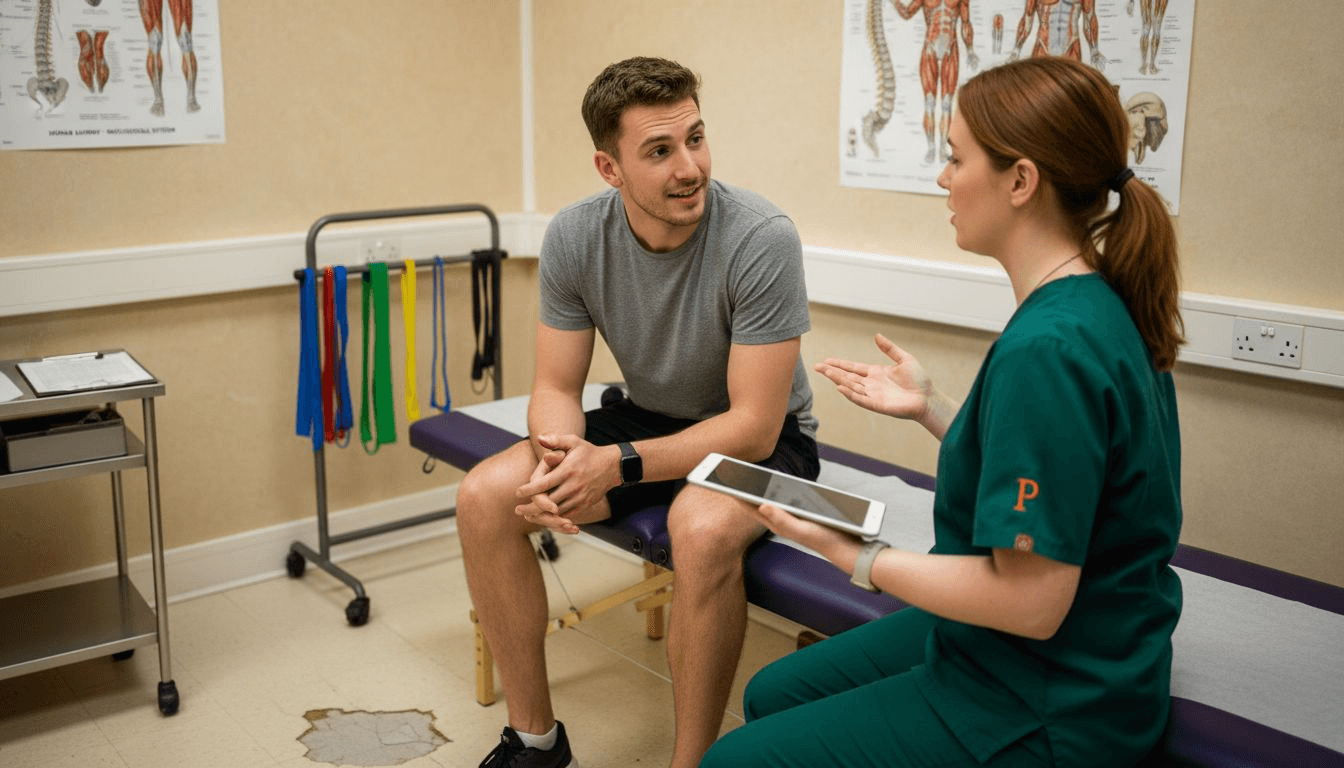
Starting physiotherapy after a sports injury, chronic pain flare-up, or postpartum issue can feel overwhelming. You're unsure whether you're doing exercises correctly, when to push harder, or how to avoid setbacks. Research shows 40% of patients make common mistakes in home physiotherapy delaying recovery, but this guide walks you through preparation, assessment, progression, safety, and realistic timelines to help you recover confidently.
Table of Contents
- Introduction to physiotherapy recovery
- Preparation and prerequisites before starting physiotherapy
- Initial assessment and personalised treatment planning
- Stepwise physiotherapy process and progression
- Safety guidelines and precautions during therapy
- Common mistakes, troubleshooting, and how to fix them
- Expected results, outcomes, and timelines
- Alternative approaches and tradeoffs to consider
- Explore physiotherapy services at Parks Therapy Centre
- Frequently asked questions
Key takeaways
| Point | Details |
|---|---|
| Physiotherapy recovery is personalised and phased | Treatment adapts to your condition and progresses through early, mid, and late stages tailored to your needs. |
| Preparation matters for success | Initial assessments, essential equipment, and patient readiness set the foundation for effective recovery. |
| Safety prevents setbacks | Following guidelines and recognising warning signs reduce re-injury risk during critical early phases. |
| Tracking and adapting therapy improves outcomes | Regular monitoring and adjusting exercises based on progress accelerate recovery and functional gains. |
| Local Bedfordshire and Buckinghamshire clinics support diverse needs | Specialised services for sports injuries, chronic pain, and postpartum recovery are available nearby. |
Introduction to physiotherapy recovery
Physiotherapy helps restore movement and function after injury or illness through tailored exercises, manual therapy, and patient education. For adults in Bedfordshire and Buckinghamshire, physiotherapists treat conditions including sports injuries like ligament tears and muscle strains, chronic pain from arthritis or back problems, and postpartum issues such as pelvic floor weakness.
Structured physiotherapy offers multiple advantages:
- Reduces pain intensity through targeted techniques and gradual conditioning
- Restores mobility and strength systematically to prevent compensatory movement patterns
- Prevents re-injury by addressing root causes and building resilience
- Avoids unnecessary surgery or long-term medication dependence
You'll work collaboratively with your physiotherapist to achieve functional goals, whether returning to sport, managing daily activities without pain, or regaining postpartum strength. The Parks Therapy Centre homepage provides access to experienced teams across multiple locations.
Recovery isn't linear. Some weeks you'll progress quickly, others you'll plateau. Trust the process, communicate openly with your therapist, and commit to the prescribed programme for best results.
Preparation and prerequisites before starting physiotherapy
Before beginning therapy, a thorough initial assessment identifies your specific condition, limitations, and goals. This medical and physical evaluation ensures your physiotherapist designs a safe, effective programme. Skipping this step risks inappropriate exercises that could worsen your condition.
Essential equipment for home physiotherapy includes:
- Supportive footwear with good cushioning and arch support
- Resistance bands in varying strengths for progressive loading
- Exercise mat for floor-based stretches and core work
- Clear, safe space free from trip hazards
| Item | Purpose | Approximate cost |
|---|---|---|
| Resistance bands set | Progressive strengthening | £10-£20 |
| Exercise mat | Comfort during floor exercises | £15-£30 |
| Supportive trainers | Shock absorption and stability | £40-£80 |
Patient readiness factors significantly influence outcomes. You need motivation to complete daily exercises even when progress feels slow. Understanding therapy scope means accepting gradual improvement rather than instant fixes. Scheduling commitment requires protecting exercise time and attending appointments consistently.
Pro Tip: Schedule exercises at the same time daily to build a habit. Morning sessions often work best before daily fatigue sets in.
Start booking your physiotherapy appointment once you've gathered equipment and committed mentally to the process. Parks Therapy Centre offers flexible scheduling across Bedfordshire and Buckinghamshire locations.
Initial assessment and personalised treatment planning
Your first physiotherapy session focuses on understanding your condition comprehensively. The therapist reviews your medical history, previous injuries, current symptoms, and lifestyle factors affecting recovery. This initial assessment guides personalised treatment and typically lasts 30-60 minutes.
The physical examination includes:
- Observation of posture, gait, and movement patterns
- Palpation to identify tender areas, muscle tightness, or swelling
- Range of motion testing to quantify mobility limitations
- Strength assessments comparing affected and unaffected sides
- Functional tests mimicking daily activities or sports movements
Pain assessments use scales from 0 to 10 to establish baselines and track improvements. Functional questionnaires measure how symptoms impact work, sleep, and recreation. For complex cases, bio-mechanical assessments provide detailed analysis of movement efficiency.
You'll collaborate with your physiotherapist to set realistic, measurable goals. Rather than vague aims like "feel better," effective goals specify outcomes: "walk 30 minutes without pain" or "return to tennis within 10 weeks." Your customised treatment plan outlines exercises, manual therapy techniques, expected frequency of sessions, and timelines.
Pro Tip: Write down your top three functional goals before your first appointment. This helps your physiotherapist prioritise what matters most to you.
Stepwise physiotherapy process and progression
Physiotherapy recovery progresses through distinct phases, each building on previous gains. Rushing phases increases re-injury risk, whilst lingering too long delays return to function.
Early phase (weeks 1-3):
- Control acute inflammation and pain using ice, gentle movement, and pain-relieving techniques
- Protect healing tissues whilst preventing stiffness through carefully dosed range of motion exercises
- Maintain general fitness using pain-free activities like swimming or cycling
Mid phase (weeks 4-8):
- Progressively load tissues with resistance exercises to rebuild strength
- Improve muscular endurance through higher repetition sets
- Address movement quality and control through balance and coordination drills
- Begin sport-specific or activity-specific conditioning
Late phase (weeks 9-12+):
- Simulate real-world demands through functional exercises
- Integrate high-intensity and high-impact activities gradually
- Develop confidence through graded exposure to feared movements
- Establish maintenance programmes for long-term resilience
| Phase | Focus | Typical duration | Key exercises |
|---|---|---|---|
| Early | Pain relief, protection | 1-3 weeks | Gentle range of motion, ice therapy |
| Mid | Strength, endurance | 4-8 weeks | Resistance bands, controlled loading |
| Late | Function, return to activity | 9-12+ weeks | Sport drills, high-intensity work |
Your physiotherapist monitors progress through regular reassessments, adjusting your programme based on pain levels, strength gains, and functional improvements. For sports injury physiotherapy, objective testing like hop tests or sprint timing guides return-to-sport decisions.
Safety guidelines and precautions during therapy
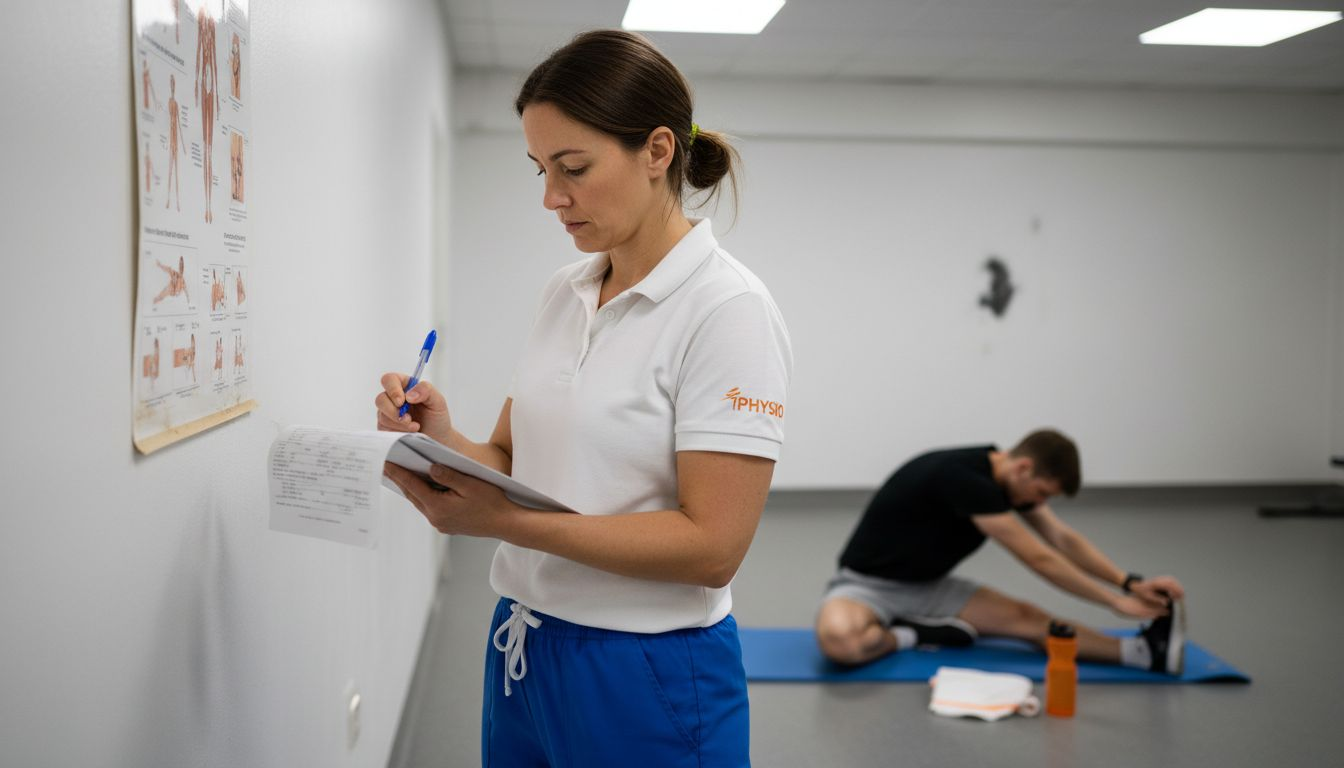
Following safety guidelines prevents setbacks that can add weeks to recovery. Avoiding excessive early loading and high-impact activities reduces re-injury risk by up to 50% during first 4 weeks. Respect your body's healing timeline rather than comparing progress to others.
Key precautions include:
- Never push through sharp, increasing pain during exercises
- Avoid returning to full-intensity sports or heavy lifting until cleared by your physiotherapist
- Modify exercises if symptoms worsen rather than stopping completely
- Apply ice after sessions if soreness develops
Recognise warning signs requiring immediate professional contact:
- Sudden increase in pain or swelling
- New numbness, tingling, or weakness
- Pain that doesn't improve within 48 hours of rest
- Loss of previously gained function
"The biggest mistake patients make is returning to activities too quickly because they feel good. Tissue healing lags behind symptom improvement, so premature loading often causes flare-ups."
Maintain open communication with your physiotherapist about symptom changes between sessions. Detailed feedback allows timely programme adjustments. If you experience concerning symptoms, contact your clinic immediately rather than waiting for your next scheduled appointment. Learn more about preventing re-injury during physiotherapy.
Common mistakes, troubleshooting, and how to fix them
Non-compliance with prescribed exercises represents the most frequent obstacle to recovery. Life gets busy, exercises feel boring, or initial enthusiasm wanes. Set phone reminders, track completion in a journal, or find an accountability partner. Even 80% adherence produces significantly better outcomes than sporadic effort.
Incorrect exercise technique risks injury and reduces effectiveness. You might compensate using stronger muscles rather than targeting weak areas. Video yourself performing exercises and compare against demonstration videos. Request feedback during physiotherapy sessions, and don't hesitate to ask for technique reminders.
Returning to intense activities too soon leads to re-injury cycles. You feel great after three weeks and resume running or lifting heavy weights. Within days, pain returns and you're back to square one. Follow your physiotherapist's timeline strictly, even when symptoms improve ahead of schedule.
Common troubleshooting scenarios:
- Exercise causes increased pain: Reduce intensity, frequency, or range of motion and inform your therapist
- No progress after two weeks: Your programme may need adjustment or you might need additional assessment
- Too much soreness after sessions: You're overdoing it; scale back temporarily
- Boredom with exercises: Request variation whilst maintaining therapeutic benefit
Pro Tip: Keep a symptom diary noting pain levels, exercise completion, and daily activities. Patterns emerge that help you and your physiotherapist identify triggers or refine your programme.
Know when to seek professional help. Persistent symptoms despite adherence, unexpected complications, or new concerning signs warrant prompt clinical review. Access physiotherapy tips and advice for additional guidance.
Expected results, outcomes, and timelines
Recovery timelines vary based on condition severity, individual healing capacity, and adherence. Sports injuries like ankle sprains typically resolve within 6 to 12 weeks with appropriate treatment. Chronic pain conditions may require 8 to 16 weeks to achieve meaningful functional improvements. Postpartum recovery spans 12 to 26 weeks depending on delivery complications and pre-existing conditions.
| Condition | Typical timeline | Pain reduction | Functional improvement |
|---|---|---|---|
| Ankle sprain | 6-12 weeks | 70-80% reduction | Return to sport possible |
| Lower back pain | 8-16 weeks | 50-70% reduction | Resume normal activities |
| Postpartum pelvic floor | 12-26 weeks | Variable improvement | Return to exercise safely |
| Rotator cuff strain | 8-14 weeks | 60-75% reduction | Overhead activities restored |
Key outcome metrics include pain reduction measured on 0 to 10 scales, improved range of motion in degrees, strength gains through resistance testing, and functional capacity like walking distance or stair climbing ability. Most patients achieve 60% to 80% improvement in primary complaints within 8 to 12 weeks.
Maintenance exercises prove crucial for long-term benefits. Stopping therapy completely once symptoms resolve often leads to recurrence. Continue two to three key exercises weekly to preserve gains, prevent re-injury, and build ongoing resilience. Your physiotherapist will identify which exercises to maintain based on your specific condition.
Realistic expectations prevent disappointment. You won't feel perfect every day. Progress includes setbacks, plateaus, and sudden improvements. Trust the process and maintain consistency.
Alternative approaches and tradeoffs to consider
Different physiotherapy delivery models suit different needs and preferences. In-person therapy provides hands-on treatment, real-time feedback, and motivation through face-to-face interaction. Hybrid approaches combine clinic sessions for assessment and technique teaching with home exercise programmes for convenience.
Telehealth physiotherapy gained popularity recently, offering video consultations for exercise instruction and progress monitoring. It works well for maintenance phases or simple conditions but lacks hands-on treatment benefits. Most patients achieve best results combining occasional in-person sessions with remote support.
| Approach | Advantages | Disadvantages | Best for |
|---|---|---|---|
| Full in-person | Hands-on treatment, immediate feedback | Higher cost, travel required | Complex injuries, early phases |
| Hybrid model | Balance of support and convenience | Requires self-discipline at home | Most conditions, mid to late phases |
| Telehealth | Convenient, lower cost | No manual therapy, technique harder to assess | Maintenance, simple conditions |
Self-guided home programmes using online resources or apps offer maximum flexibility and minimal cost. However, incorrect technique, lack of progression, and poor adherence commonly undermine results. Without professional guidance, you risk performing ineffective exercises or missing underlying issues.
Tradeoffs to consider:
- Supervised treatment costs more but typically produces faster, safer recovery
- Home programmes save money but require high motivation and self-awareness
- Group classes offer social support but lack individual customisation
- Private physiotherapy provides immediate access whilst NHS waiting times can delay treatment
Your choice depends on condition complexity, budget, schedule, and learning style. Many patients start with supervised therapy then transition to independent maintenance once confident in technique and progression principles.
Explore physiotherapy services at Parks Therapy Centre
Applying this guide becomes easier with expert support tailored to your specific needs. Parks Therapy Centre offers specialised physiotherapy for sports injuries, chronic pain, and postpartum recovery across Bedfordshire and Buckinghamshire. Our experienced teams conduct thorough assessments, design personalised treatment plans, and support you through every recovery phase.
Whether you're recovering from a running injury, managing persistent back pain, or rebuilding strength after childbirth, our sports injury physiotherapy services provide evidence-based treatment in convenient locations. We accept major insurance providers and offer flexible appointment scheduling to fit your life. Take the first step towards confident recovery and book your appointment online today.
Frequently asked questions
What should I expect during my initial physiotherapy assessment?
Your initial assessment includes a detailed medical history review, physical examination, pain evaluation, and movement analysis. This typically lasts 30 to 60 minutes and helps your physiotherapist understand your condition comprehensively. You'll discuss your goals, receive a provisional diagnosis, and begin developing a tailored treatment plan. Wear comfortable clothing that allows easy access to the affected area. Consider booking an assessment to start your recovery journey.
How long does the physiotherapy recovery process typically take?
Recovery duration varies by condition and individual factors. Sports injuries often require 8 to 12 weeks, whilst chronic pain management may take 12 to 16 weeks to achieve meaningful improvements. Postpartum recovery timelines depend on delivery complications and pre-existing conditions, ranging from 12 to 26 weeks. Your physiotherapist provides personalised estimates after initial assessment.
What equipment do I need for effective home physiotherapy exercises?
Basic equipment includes supportive footwear with good cushioning, resistance bands in varying strengths, an exercise mat, and a clear, safe space. Most exercises use body weight or simple household items initially. Your physiotherapist recommends specific equipment based on your condition and treatment phase. Access home physiotherapy equipment tips for detailed guidance.
How can I avoid re-injury during physiotherapy?
Follow your therapist's instructions precisely, particularly regarding activity restrictions and exercise progression. Avoiding excessive early loading reduces re-injury risk by up to 50% during the first four weeks. Communicate any pain increases promptly rather than pushing through discomfort. Respect healing timelines even when you feel better, as tissue strength lags behind symptom improvement. Additional avoid re-injury advice helps you navigate recovery safely.