
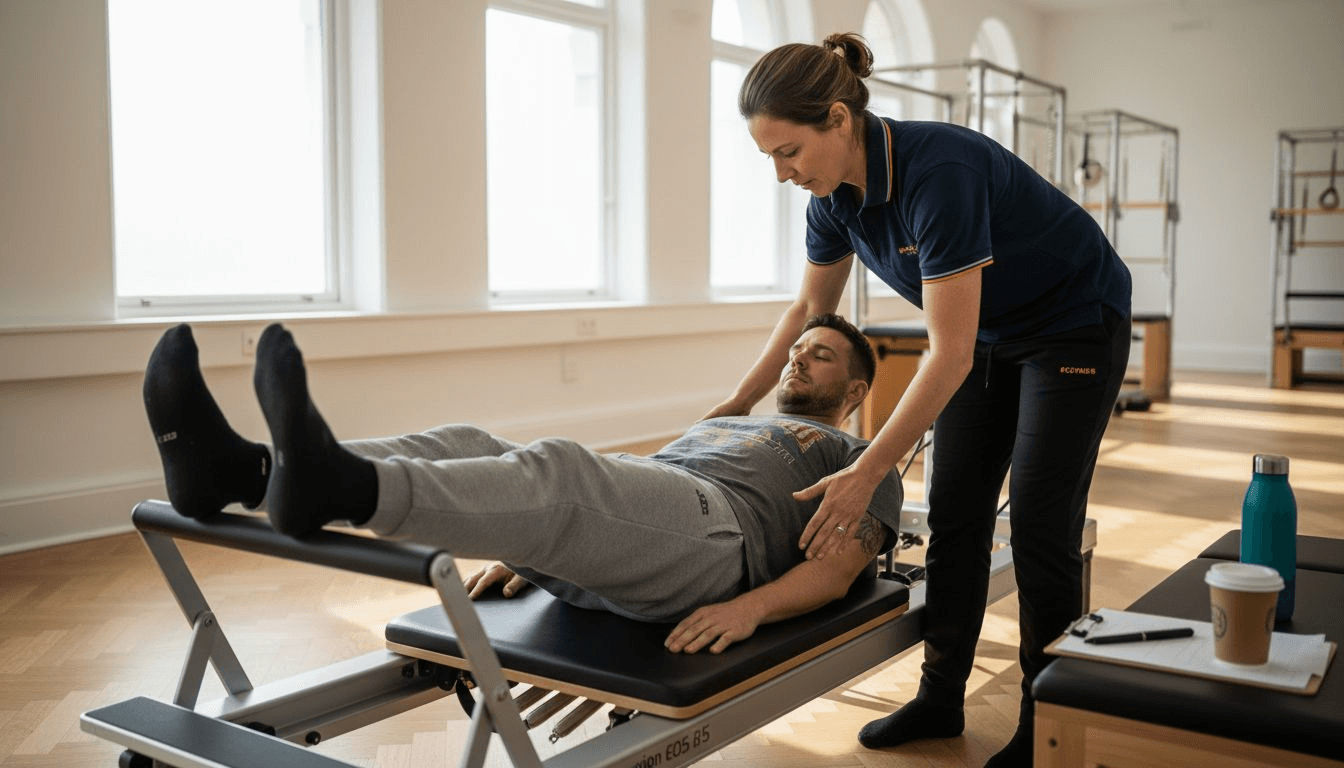
You've probably heard of Pilates as a fitness class. What if I told you Pilates therapy is far more than that? It's a clinically proven rehabilitation method specifically designed to treat musculoskeletal injuries and chronic pain. Unlike general Pilates fitness, Pilates therapy combines controlled exercises, breath work, and neuromuscular re-education to target the root causes of your discomfort. You'll discover how it works, what the evidence shows, and how to access qualified practitioners locally.
Table of Contents
- Understanding Pilates therapy: definition and key principles
- How Pilates therapy works for musculoskeletal conditions
- Pilates therapy benefits and evidence for musculoskeletal conditions
- Common misconceptions about Pilates therapy
- Comparing Pilates therapy to other physical therapies
- Accessing Pilates therapy locally: what patients need to know
- Planning and expectations for Pilates therapy treatment
- Discover expert Pilates therapy at Parks Therapy Centre
- Frequently asked questions
Key takeaways
| Point | Details |
|---|---|
| Definition | Pilates therapy is a clinical rehabilitation approach using controlled exercises to improve core strength, flexibility, and posture for injury recovery. |
| Evidence base | Studies show 30 to 40% pain reduction in chronic low back pain and 15% greater functional mobility when combined with physiotherapy. |
| Clinical distinction | Pilates therapy requires qualified therapists with clinical training, unlike general fitness classes led by instructors without rehabilitation expertise. |
| Common myths | Pilates therapy is equally effective for men and women, does not replace medical treatment, and requires consistent sessions for results. |
| Local access | Multidisciplinary centres like Parks Therapy Centre in Bedfordshire and Buckinghamshire offer qualified Pilates therapy with online booking. |
Understanding Pilates therapy: definition and key principles
Pilates therapy is a clinical rehabilitation method that targets musculoskeletal injuries through precise, controlled movement. It's not a gym class. Pilates therapy focuses on controlled, low-impact exercises designed to improve core strength, flexibility, and posture, critical for musculoskeletal rehab, with muscle activation increased by approximately 30 to 40%. This makes it ideal for recovering from injuries or managing chronic pain.
At its core, Pilates therapy emphasises breath control, mindful movement, and postural alignment. Each exercise is tailored to your specific condition by a qualified therapist who understands biomechanics and injury pathology. You work on strengthening deep stabilising muscles, particularly those supporting your spine and pelvis. This foundation improves how your body moves and reduces strain on injured tissues.
What separates Pilates therapy from general Pilates fitness? The therapist. Pilates therapy practitioners hold qualifications in physiotherapy or clinical Pilates rehabilitation. They assess your injury, design personalised treatment plans, and monitor your progress. General fitness instructors lack this clinical training and cannot address complex musculoskeletal conditions. Parks Therapy Centre employs therapists with this specialised expertise.
The principles guiding Pilates therapy include:
- Concentration on precise movement quality rather than repetition quantity
- Centring exercises around core muscle activation
- Control over every movement phase to prevent compensation patterns
- Breathing techniques that reduce muscle tension and improve oxygen delivery
- Flowing movements that promote natural functional patterns
Pro Tip: Ask potential therapists about their clinical Pilates qualifications and experience treating conditions similar to yours. This ensures you receive evidence-based care tailored to your rehabilitation needs, not just generic exercise instruction.
How Pilates therapy works for musculoskeletal conditions
Pilates therapy addresses the root causes of pain rather than masking symptoms. When you have a musculoskeletal injury, your body develops compensation patterns. Certain muscles become overactive whilst others weaken. This imbalance perpetuates pain and limits function. Pilates therapy corrects these patterns by retraining your neuromuscular system.
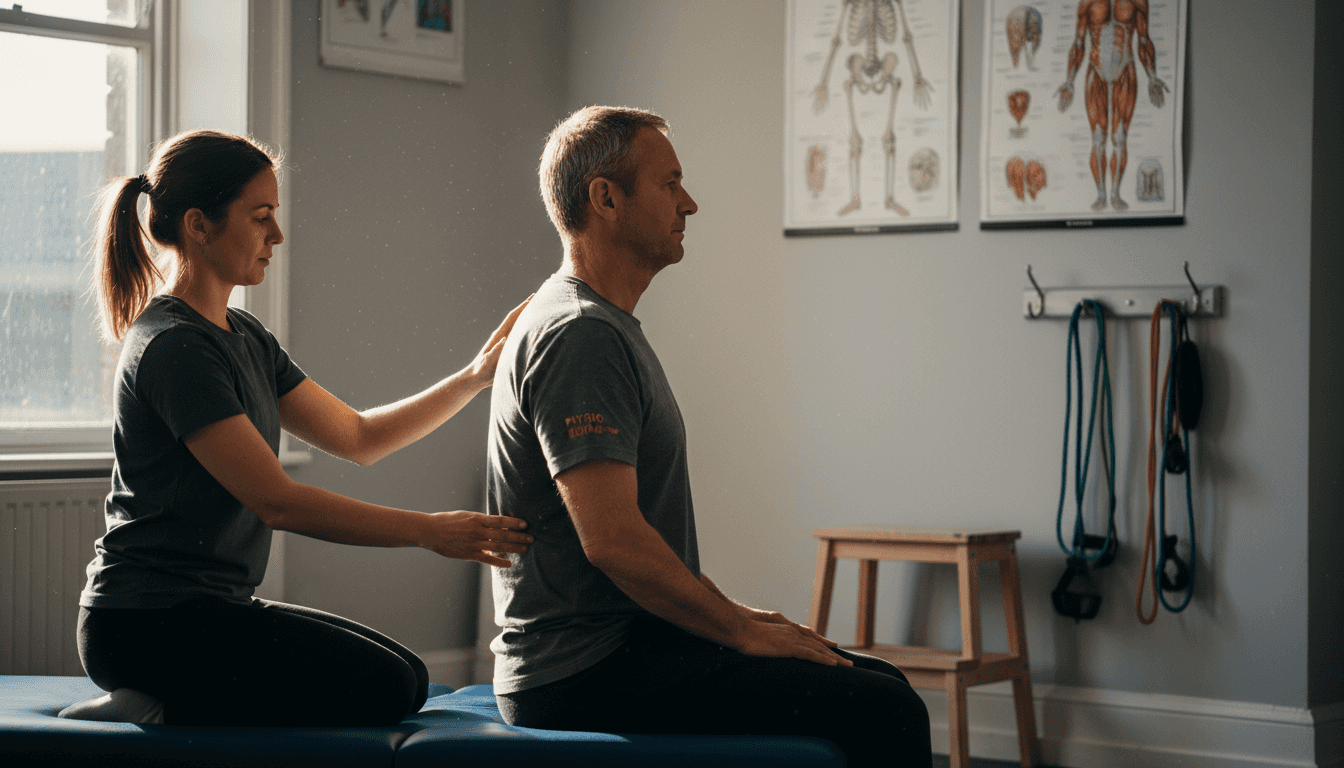
The process starts with postural assessment. Your therapist identifies muscle imbalances and faulty movement patterns contributing to your condition. Then you perform targeted exercises that activate weak muscles and release overactive ones. This restores muscular balance around joints, reducing stress on injured structures.
Proprioception improves significantly through Pilates therapy. Proprioception is your body's awareness of its position in space. After injury, this sense becomes impaired, increasing re-injury risk. Controlled Pilates movements performed on unstable surfaces or with closed eyes challenge your proprioceptive system. Over time, your body regains spatial awareness and movement control.
Pilates therapy emphasises breath control, improving oxygenation and reducing muscle tension by approximately 25%, aiding pain management and recovery. Deep breathing activates your parasympathetic nervous system, which promotes relaxation and tissue healing. When you breathe properly during exercises, oxygen-rich blood reaches injured areas more efficiently. This accelerates recovery whilst reducing the chronic muscle guarding that often accompanies pain.
Neuromuscular re-education is central to Pilates therapy. Your brain learns new, healthier movement patterns through repetition of correct technique. Initially, movements feel awkward because your nervous system is accustomed to compensatory patterns. With practice, optimal movement becomes automatic. You can explore more about this process through Parks Therapy Centre news articles on rehabilitation.
Key physiological benefits include:
- Reduced inflammation through improved circulation
- Enhanced joint stability from balanced muscle recruitment
- Decreased pain sensitivity via endorphin release
- Improved tissue elasticity and range of motion
Pro Tip: Focus on breathing throughout each exercise rather than rushing through repetitions. Proper breath work maximises the neuromuscular and pain-relieving benefits of Pilates therapy, making every session more effective for your recovery.
Pilates therapy benefits and evidence for musculoskeletal conditions
The evidence supporting Pilates therapy is robust. Research consistently demonstrates measurable improvements in pain, function, and quality of life for patients with musculoskeletal conditions. These aren't anecdotal claims but quantified outcomes from controlled trials.
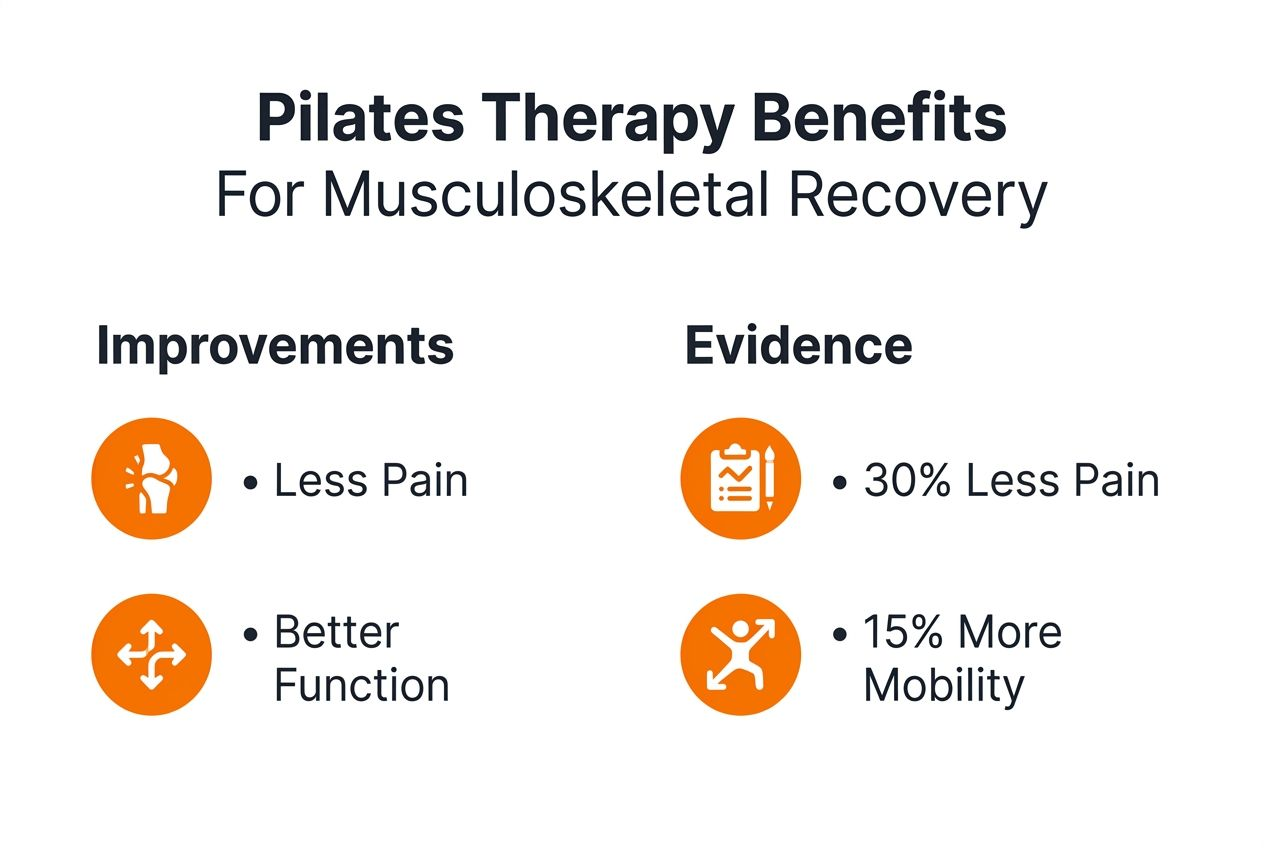
Chronic low back pain responds particularly well to Pilates therapy. Patients report 30 to 40% reductions in pain intensity after completing structured programmes. This improvement often exceeds results from medication alone or passive treatments. The key lies in addressing mechanical dysfunction rather than simply suppressing pain signals.
Pilates therapy combined with physiotherapy improves functional mobility 15% more than physiotherapy alone after 8 weeks. This synergistic effect makes Pilates therapy valuable within multidisciplinary treatment plans. When you combine hands-on manual therapy with active Pilates exercises, outcomes surpass either approach used independently.
Older adults benefit from fall risk reduction. Studies show Pilates therapy decreases fall risk by up to 35% through improved balance, proprioception, and lower limb strength. This matters enormously for maintaining independence and preventing fractures. The controlled, low-impact nature makes it safe for this population.
| Condition | Outcome measure | Improvement |
|---|---|---|
| Chronic low back pain | Pain intensity | 30 to 40% reduction |
| Post-injury mobility | Functional movement | 15% greater improvement vs physiotherapy alone |
| Fall risk in older adults | Balance and stability | Up to 35% reduction |
| Core muscle activation | Electromyography readings | 30 to 40% increase |
| Muscle tension | Clinical assessment | 25% reduction |
These improvements translate to real-world function. You climb stairs with less difficulty. You sit at work without increasing pain. You return to sports or hobbies you thought were lost. The functional gains matter more than numbers on assessment forms.
For sports injuries, Pilates therapy accelerates return to activity by restoring movement quality before intensity. Athletes regain strength and flexibility whilst learning proper movement mechanics. This reduces re-injury risk when training resumes. You can learn more about sports injuries rehabilitation with Pilates therapy approaches.
Evidence-based benefits include:
- Quantified pain reduction across multiple conditions
- Improved functional capacity in daily activities
- Enhanced balance and fall prevention
- Greater treatment satisfaction compared to passive therapies
- Long-term benefits when exercise habits are maintained
Common misconceptions about Pilates therapy
Several myths prevent people from accessing beneficial Pilates therapy. Let's address them directly so you can make informed decisions about your rehabilitation.
Myth one: Pilates therapy is just a fancy name for fitness Pilates. False. Pilates therapy is delivered by qualified healthcare professionals who assess injuries, design clinical treatment plans, and monitor recovery. Fitness Pilates instructors lack this clinical training and cannot safely manage complex musculoskeletal conditions. The exercises may look similar, but the application is entirely different.
Myth two: Pilates therapy is only for women. Studies show Pilates therapy is equally effective for both men and women for musculoskeletal rehabilitation, dispelling gender bias. Men benefit identically in terms of pain reduction, strength gains, and functional improvement. Historical marketing may have created this perception, but the clinical evidence shows no gender differences in outcomes.
Myth three: Pilates therapy can replace surgery or medical treatment. No. Pilates therapy is a rehabilitation tool, not a substitute for necessary medical interventions. If you have a condition requiring surgery, Pilates therapy complements pre-operative conditioning and post-operative recovery. It works alongside medical care, not instead of it.
Myth four: Pilates therapy is just stretching. This underestimates the method significantly. Whilst flexibility improves, the primary focus is strengthening deep stabilising muscles, retraining movement patterns, and improving neuromuscular control. Breath work and core activation are equally important. Stretching forms one component of a much broader therapeutic approach.
Myth five: results happen immediately after one or two sessions. Unrealistic. Meaningful improvements require consistent participation over weeks to months. Your nervous system needs time to learn new movement patterns. Tissues need time to adapt and strengthen. Most programmes run 6 to 12 weeks with 2 to 3 sessions weekly. You can find finding Pilates therapy clinics information to start your journey.
Other common misunderstandings:
- Believing Pilates therapy is too gentle to be effective (controlled movement is precisely what injured tissues need)
- Thinking you must be flexible to start (therapists adapt exercises to your current ability)
- Assuming it's expensive compared to value (preventing chronic pain or surgery avoids far greater costs)
- Expecting passive treatment (active participation is required and beneficial)
Comparing Pilates therapy to other physical therapies
Understanding how Pilates therapy differs from and complements other treatments helps you make informed choices. Each approach has strengths, and often combinations produce optimal results.
Pilates therapy emphasises active patient participation through controlled exercises. You develop core stability, breath control, and postural awareness under therapist guidance. The focus is movement quality and neuromuscular re-education. Sessions typically occur in small groups or individually, using specialised equipment or mat-based exercises.
Traditional physiotherapy encompasses broader techniques including manual therapy, joint mobilisation, soft tissue massage, and modalities like ultrasound or electrical stimulation. Physiotherapists diagnose conditions, provide hands-on treatment, and prescribe exercises. Many physiotherapists incorporate Pilates principles, but not all specialise in clinical Pilates delivery.
Pilates therapy complements physiotherapy with a focus on core stability and neuromuscular control, whilst physiotherapy often employs broader manual techniques. When used together, you receive hands-on treatment to reduce pain and tissue restrictions, then active exercises to retrain movement and prevent recurrence. This combination produces superior outcomes.
Chiropractic care centres on spinal alignment and joint manipulation. Chiropractors use manual adjustments to restore joint mobility and nervous system function. Treatment is typically hands-on and passive, though many chiropractors also provide exercise advice. The philosophical approach differs from Pilates therapy's movement-based rehabilitation focus.
| Therapy type | Primary focus | Treatment style | Typical duration |
|---|---|---|---|
| Pilates therapy | Core stability, breath control, movement re-education | Active patient participation with specialised exercises | 6 to 12 weeks, 2 to 3 sessions weekly |
| Physiotherapy | Manual therapy, tissue mobilisation, pain management | Mix of hands-on treatment and exercise prescription | Varies by condition, often 4 to 8 weeks |
| Chiropractic care | Spinal alignment, joint manipulation | Hands-on adjustment and manipulation | Series of adjustments over weeks to months |
Patient adherence tends to be higher with active therapies like Pilates. When you participate actively in recovery, you feel more empowered and engaged. Passive treatments provide immediate relief but don't teach your body new patterns. Long-term success requires active participation.
You can access multiple approaches at facilities offering integrated care. Sports injury treatments often combine Pilates therapy, physiotherapy, and other modalities. This multidisciplinary approach addresses your condition from multiple angles.
Considerations when choosing:
- Acute injuries may require manual therapy initially before progressing to active Pilates exercises
- Chronic conditions often respond well to movement-based approaches like Pilates therapy
- Your preference for active versus passive treatment influences satisfaction and adherence
- Insurance coverage and accessibility vary between therapy types
- Qualified practitioners can guide you towards the most appropriate approach for your situation
Accessing Pilates therapy locally: what patients need to know
Finding qualified Pilates therapy in Bedfordshire and Buckinghamshire requires knowing where to look and what credentials matter. Not all providers offer true clinical Pilates therapy, so verification is important.
Multidisciplinary healthcare centres typically offer the most qualified services. Parks Therapy Centre provides Pilates therapy alongside physiotherapy, sports injury treatment, and other rehabilitation services. This integration allows coordinated care when you need multiple approaches.
Therapist qualifications are critical. Look for practitioners who are chartered physiotherapists with additional clinical Pilates certification. Relevant qualifications include APPI (Australian Physiotherapy & Pilates Institute) or Polestar Pilates clinical certification. These programmes train physiotherapists specifically in applying Pilates methods for injury rehabilitation.
Verify credentials by asking directly about:
- Professional registration with the Health and Care Professions Council for physiotherapists
- Specific clinical Pilates training beyond general instructor certification
- Experience treating your particular condition or injury type
- Continuing education in musculoskeletal rehabilitation
Treatment typically occurs in clinical settings equipped with reformers, trapeze tables, and other specialised Pilates apparatus. Some therapists also use mat-based exercises. Initial assessment takes 45 to 60 minutes, with follow-up sessions lasting 30 to 45 minutes. Frequency ranges from twice weekly initially to once weekly for maintenance.
You can find local Parks Therapy Centre clinics across the region. Multiple locations improve accessibility for residents throughout Bedfordshire and Buckinghamshire. Online booking systems make scheduling convenient around work and family commitments.
Insurance coverage varies. Many private medical insurance policies cover Pilates therapy when prescribed by a GP or physiotherapist for specific conditions. Check your policy details and obtain necessary referrals before starting treatment. Self-pay options exist when insurance doesn't cover services.
Practical access considerations:
- Appointment availability including evenings and weekends
- Parking and public transport access to clinic locations
- Equipment provided versus exercises you can practise at home
- Clear pricing and package options
- Communication methods for questions between appointments
Planning and expectations for Pilates therapy treatment
Realistic expectations and proper planning increase your chances of successful rehabilitation. Understanding typical timelines and commitment requirements helps you prepare mentally and practically.
Most Pilates therapy programmes run 6 to 12 weeks initially. Acute injuries may resolve faster, whilst chronic conditions require longer intervention. You typically attend 2 to 3 sessions weekly at the start, reducing frequency as you improve and gain independence with exercises.
Treatment follows a structured progression:
- Initial assessment identifies your specific impairments, movement dysfunctions, and treatment goals.
- Early sessions focus on pain reduction, basic core activation, and learning proper breathing patterns.
- Middle phase emphasises strength building, more complex movement patterns, and functional task training.
- Later sessions integrate sport-specific or occupation-specific movements preparing you for full activity return.
- Discharge planning includes home exercise programmes and maintenance strategies to prevent recurrence.
Pilates therapy works best within a multidisciplinary approach. You might receive manual physiotherapy on some visits and Pilates exercises on others. Some patients benefit from concurrent acupuncture or podiatry services addressing contributing factors. Coordinated care produces better outcomes than isolated single-modality treatment.
Set realistic milestones. Pain reduction often occurs within 2 to 4 weeks. Functional improvements like easier stair climbing or prolonged sitting appear around 4 to 6 weeks. Return to full sport or demanding activities typically requires 8 to 12 weeks. Your therapist adjusts timelines based on your progress.
Ongoing reassessment ensures treatment remains appropriate. Every 3 to 4 weeks, your therapist measures progress using standardised outcome tools. If improvements plateau, they modify the programme. Open communication about your experience guides these adjustments.
Adherence makes the difference between success and disappointment. Attending scheduled sessions and practising prescribed home exercises accelerates recovery. Missing appointments or neglecting home practice prolongs treatment and increases costs. View rehabilitation as a partnership between you and your therapist.
Expectation management factors:
- Progress rarely follows a straight line; temporary setbacks are normal and manageable
- Some discomfort during exercises is expected as tissues adapt; sharp pain is not
- Home exercise quality matters more than quantity; 10 minutes daily beats sporadic longer sessions
- Lifestyle factors like sleep, stress, and nutrition influence recovery speed
- Maintenance after formal treatment ends prevents regression and builds on gains
Discover expert Pilates therapy at Parks Therapy Centre
Your journey towards effective musculoskeletal recovery starts with expert guidance. Parks Therapy Centre offers qualified Pilates therapy delivered by experienced physiotherapists across convenient Bedfordshire and Buckinghamshire locations.
Whether you're managing chronic back pain, recovering from sports injuries, or seeking fall prevention strategies, our multidisciplinary team provides evidence-based care tailored to your needs. We combine Pilates therapy with physiotherapy, acupuncture, and other proven treatments for optimal outcomes. Our online booking system makes starting treatment simple, and our therapists work with your schedule to ensure consistent progress. Take the first step towards pain-free movement and improved function. Visit the Parks Therapy Centre main website to learn about our services, explore our sports injuries rehabilitation services for athletic recovery, or book your Pilates therapy sessions online today. Your body deserves expert care backed by clinical evidence and delivered with compassion.
Frequently asked questions
What is Pilates therapy?
Pilates therapy is a clinical rehabilitation method using controlled, low-impact exercises to treat musculoskeletal injuries and chronic pain. Unlike fitness Pilates classes, it's delivered by qualified physiotherapists or clinical Pilates specialists who assess your condition and create personalised treatment plans targeting core strength, postural correction, and neuromuscular re-education.
How does Pilates therapy differ from regular Pilates classes?
The key difference lies in clinical expertise and individualisation. Pilates therapy practitioners hold physiotherapy qualifications and specialise in injury rehabilitation, whilst fitness instructors teach general conditioning without clinical assessment capabilities. Therapy sessions address specific pathology with exercises modified for your injury, whereas fitness classes follow standardised routines for healthy populations.
What conditions can Pilates therapy treat?
Pilates therapy effectively treats chronic low back pain, neck pain, sports injuries, post-surgical rehabilitation, osteoarthritis, and postural dysfunction. It's particularly beneficial for conditions requiring core stability improvement, movement pattern correction, and gradual functional restoration. Your therapist determines suitability during initial assessment based on your specific diagnosis and rehabilitation goals.
How long does it take to see results from Pilates therapy?
Most patients notice pain reduction within 2 to 4 weeks of consistent participation. Functional improvements like easier movement and increased activity tolerance typically emerge around 4 to 6 weeks. Complete rehabilitation for return to full sport or demanding activities usually requires 8 to 12 weeks. Results depend on condition severity, adherence to prescribed exercises, and individual healing capacity.
How do I choose a qualified Pilates therapy provider?
Verify the practitioner is a chartered physiotherapist registered with the Health and Care Professions Council and holds additional clinical Pilates certification from recognised programmes like APPI or Polestar. Ask about their experience treating your specific condition, their approach to assessment and progression, and whether they integrate Pilates therapy within broader multidisciplinary care. Facilities offering multiple rehabilitation services typically provide more qualified clinical Pilates therapy.