
TL;DR:
- Post-run thigh soreness can indicate overuse or muscle imbalance, not just normal fatigue.
- Effective recovery includes massage, stretching, ice, and proper hydration within the first 24 hours.
- Prevent injuries by gradual training increases, strengthening exercises, and seeking professional support when needed.
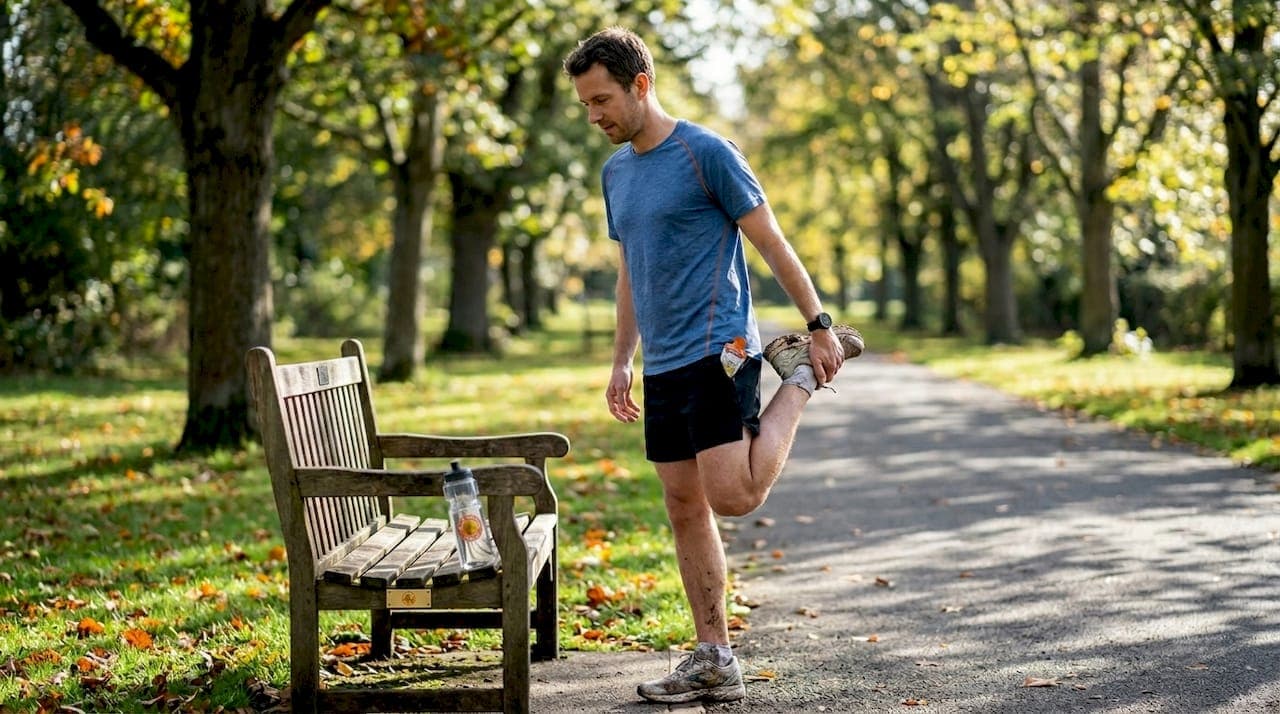
Muscle soreness after a run is often worn like a badge of honour, but it is not always a sign you have worked hard enough. Sometimes it signals something worth paying attention to. Runners across Bedfordshire and Buckinghamshire who regularly experience sore thigh muscles may be dealing with more than simple fatigue. Overuse, overstriding, and heel striking can all drive quad and hamstring strain, particularly when training volume creeps up too quickly. The good news is that with the right recovery strategies and local support, you can get back to running faster and with far less discomfort.
Table of Contents
- What causes sore thigh muscles after running?
- Evidence-based recovery methods for sore thigh muscles
- Prevention strategies to avoid future thigh soreness
- Local resources and professional support in Bedfordshire and Buckinghamshire
- What most runners miss about thigh muscle recovery
- Explore expert physiotherapy support for recovery
- Frequently asked questions
Key Takeaways
| Point | Details |
|---|---|
| Don't ignore soreness | Persistent thigh pain can signal overuse or biomechanical issues and shouldn't be overlooked. |
| Massage aids recovery | Massage within 24 hours is proven to reduce muscle stiffness and speed up recovery. |
| Strength and gradual progress | Building thigh strength and increasing running volume slowly helps prevent future soreness. |
| Local expert help | Professional physiotherapy and running clubs in Bedfordshire and Buckinghamshire support runners with assessment and therapies. |
What causes sore thigh muscles after running?
Not all post-run soreness is the same. There is a meaningful difference between the satisfying ache that fades within a day and the persistent, nagging pain that lingers well into your next session. Understanding which one you are dealing with is the first step.
Delayed onset muscle soreness (DOMS) is the typical tightness felt 24 to 48 hours after a hard effort. It happens when muscle fibres experience microscopic tears during exercise, particularly during downhill running or longer distances. This is normal. It fades. What is not normal is soreness that worsens with each run or refuses to settle.
Common causes of problematic thigh soreness include:
- Increasing weekly training volume by more than 10%
- Poor running mechanics such as overstriding or heavy heel striking
- Inadequate warm-up or cool-down routines
- Muscle imbalances, particularly a poor hamstring-to-quadriceps (H:Q) ratio
- Insufficient rest between hard sessions
The H:Q ratio deserves particular attention. When your hamstrings are significantly weaker than your quadriceps, the thigh muscles work unevenly under load. Most runners have no idea this imbalance exists until an injury forces them to pay attention. You can find more about injury recovery terminology if terms like strain, sprain, and overuse are unfamiliar.
| Type of soreness | Duration | Common cause | Action needed |
|---|---|---|---|
| DOMS | 24 to 48 hours | Hard or new effort | Rest and light movement |
| Overuse pain | 3 or more days | Volume increase | Reduce load, seek assessment |
| Acute strain | Immediate, sharp | Sudden movement | Stop running, seek treatment |
Pro Tip: If soreness persists beyond 48 hours or worsens during activity, that is your body asking for a proper assessment rather than another training session.
Evidence-based recovery methods for sore thigh muscles
Understanding the causes helps us target the most effective recovery strategies. Not every recovery method is created equal, and the research is clear on which approaches deliver the best results for runners.
A landmark randomised controlled trial (RCT) assessed four common therapies for post-exercise muscle recovery. The findings are worth knowing:
Massage reduced muscle stiffness and inflammatory markers including IL-6 and creatine kinase more effectively than other interventions. Vibration therapy improved contraction time, functional electrical stimulation (FES) supported strength recovery, and static stretching aided range of motion.
| Recovery method | Best for | Optimal timing |
|---|---|---|
| Massage | Stiffness and inflammation | Within 24 hours post-run |
| Vibration therapy | Muscle contraction speed | Immediately post-run |
| FES (functional electrical stimulation) | Strength recovery | 24 to 48 hours post-run |
| Static stretching | Flexibility and range of motion | Post-run cool-down |
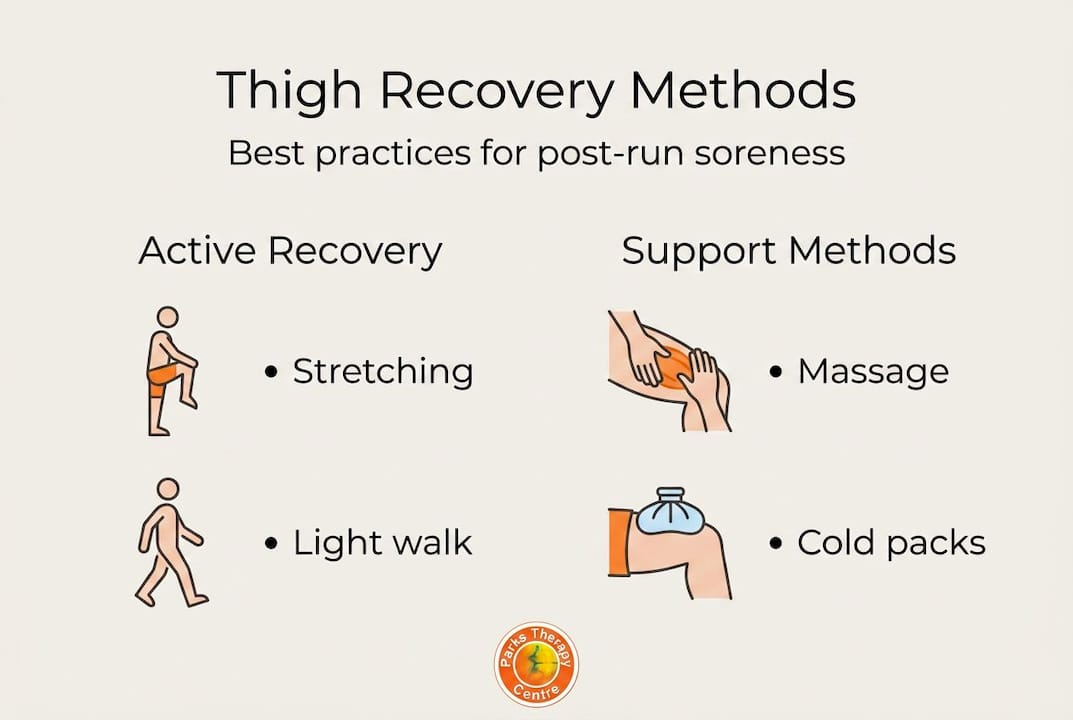
For most runners, massage is the most accessible and well-supported option. A sports massage therapist applying moderate pressure to the quadriceps and hamstrings within 24 hours of a hard run can measurably reduce both pain and stiffness. Reviewing physiotherapy recovery evidence can help you understand why certain treatments outperform others.
Here is a simple post-run recovery routine you can start today:
- Walk for five minutes after finishing your run to lower your heart rate gradually
- Perform static stretches targeting the quadriceps, hamstrings, and hip flexors, holding each for 30 seconds
- Apply an ice pack wrapped in a cloth to any area of specific tenderness for 10 to 15 minutes
- Hydrate with water or an electrolyte drink within 30 minutes
- If soreness is significant, arrange a sports massage within the next 24 hours
- Try home recovery exercises for gentle mobility work the following day
Pro Tip: Book a massage within the first 24 hours after a hard run or race. Waiting two or three days significantly reduces its effectiveness for inflammation and stiffness.
Prevention strategies to avoid future thigh soreness
Having covered how to recover, let us look at preventing sore thighs for future runs. Recovery is important, but building resilience into your training is where the real gains happen.
The single most preventable cause of thigh soreness is doing too much too soon. The classic guidance holds: never increase your weekly running volume by more than 10% in a single week. This applies to distance, intensity, and the number of sessions. Ignoring this rule is the fastest route to overuse injury.
Key exercises that protect your thighs and reduce injury risk:
- Nordic curls: These are arguably the most effective exercise for hamstring strength and H:Q ratio improvement. They require no equipment and have strong research support
- Bulgarian split squats: Brilliant for quad and glute strength under load, mimicking the demands of running
- Glute bridges: Simple but effective for activating the posterior chain and reducing quad dominance
- Leg curls: Useful for isolated hamstring strengthening if equipment is available
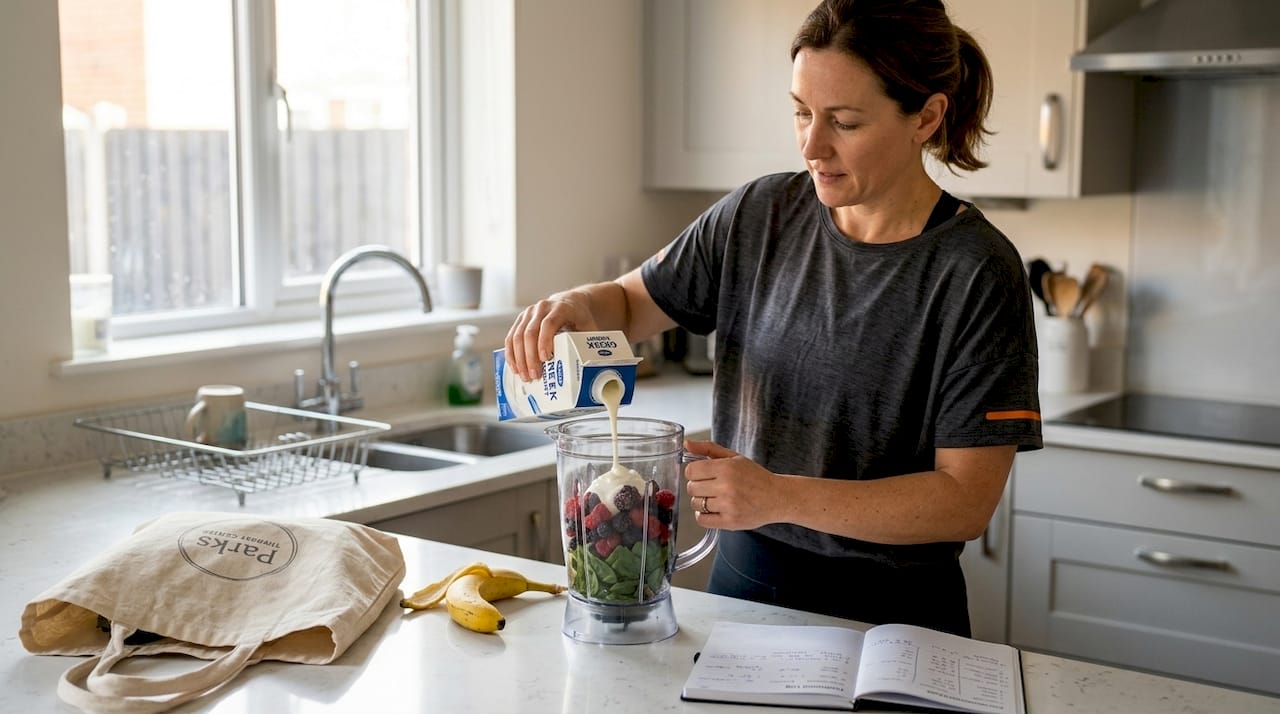
Hydration and nutrition matter far more than most runners realise. Muscles repair during rest, but only when they have adequate protein and fluid. Aim for at least 1.6 grams of protein per kilogram of bodyweight daily when in heavy training, and do not underestimate the role of sleep. This is when your body actually rebuilds damaged tissue.
Following Pilates for muscle recovery can complement your strength work by improving core stability and movement quality, which reduces the mechanical stress placed on the thighs.
Your pre and post-run checklist:
- Complete a five to ten minute dynamic warm-up before every run
- Stick to planned distances and do not add extra miles on a whim
- Incorporate two strength sessions per week focused on the lower body
- Rest at least one full day between hard running efforts
- Cool down and stretch after every session without exception
Pro Tip: Review your training log every two weeks. If you see three consecutive weeks of increasing volume, take a deliberate step back. One easier week prevents weeks of forced rest from injury.
Local resources and professional support in Bedfordshire and Buckinghamshire
Prevention and self-care matter, but local expertise can take your recovery and injury prevention to the next level. Runners in Bedfordshire and Buckinghamshire are fortunate to have access to both strong running communities and specialist clinical services.
Joining a club like Bedford Harriers offers more than just organised runs. The community aspect is genuinely valuable for motivation and accountability during recovery. Experienced club members often share practical knowledge about managing soreness and returning from injury, and group runs at appropriate paces reduce the temptation to go too hard too soon.
On the clinical side, specialist services in the region include:
- Gait analysis: A trained physiotherapist can assess your running mechanics, identifying overstriding or heel striking patterns before they cause injury
- Shockwave therapy: For persistent thigh pain that does not respond to standard treatment, shockwave is an evidence-backed option that stimulates tissue repair
- Sports massage: Regular sessions with a qualified therapist reduce cumulative muscle tension and improve recovery between training blocks
- Strength and conditioning programmes: Designed specifically for runners to address muscular imbalances
When thigh soreness persists beyond two weeks despite rest and self-treatment, a formal assessment from a qualified physiotherapist is the responsible next step. Do not rely on guesswork when professional guidance is available locally.
For runners new to physiotherapy or unsure what to expect, physiotherapy tips for beginners offers a reassuring starting point. Getting proper help early is always more effective than waiting until a minor problem becomes a major setback.
What most runners miss about thigh muscle recovery
Here is something we see again and again: runners who push through persistent soreness because they believe stopping means falling behind. This mindset stalls progress more reliably than any injury.
The runners who recover fastest are not the ones who train hardest through pain. They are the ones who treat recovery as part of the training itself. Physiotherapy, strength work, and community support are not extras you add when things go wrong. They are foundational habits that prevent things from going wrong in the first place.
Integrating regular physiotherapy assessments into your training calendar, rather than waiting for a crisis, is a game-changer. Exploring physiotherapy techniques that suit your specific needs can open up treatment options you did not know existed. The runners who stay consistent for years are rarely the most talented. They are the most strategic about protecting their bodies.
Pro Tip: Pull out your training log right now and look at where your form and technique tend to break down. That is usually where your next injury is hiding.
Explore expert physiotherapy support for recovery
If thigh soreness is affecting your running or you want to build a more resilient training programme, expert support is closer than you think. At Parks Therapy Centre, our physiotherapists have been helping runners across Bedfordshire and Buckinghamshire recover faster and run stronger since 1986.

We offer gait analysis, sports massage, shockwave therapy, and individually tailored rehabilitation plans. Whether you need a one-off assessment or ongoing physiotherapy guidance, our team is here to help. Book online today and take the first step towards running without the pain holding you back.
Frequently asked questions
How long should sore thigh muscles last after running?
Soreness typically resolves within 24 to 48 hours. If pain persists beyond this, it may signal overuse or overtraining and warrants a professional assessment rather than continued training.
What is the best immediate treatment for post-run thigh soreness?
Massage is the most well-supported option, with RCT evidence showing it reduces soreness, stiffness, and inflammatory markers more effectively than other common recovery therapies when applied within 24 hours.
Should I run with sore thigh muscles or rest?
Mild soreness allows for light activity and gentle stretching, but moderate to severe pain calls for rest. Following gradual progression principles and allowing adequate recovery between sessions prevents this dilemma from arising regularly.
Where can runners in Bedfordshire and Buckinghamshire get expert muscle recovery help?
Local options include Bedford Harriers for community running support and Parks Therapy Centre for clinical assessment, sports massage, gait analysis, and shockwave therapy across multiple sites in the region.
Recommended
- Top physiotherapy home exercises to boost recovery
- Essential physiotherapy tips for beginners: Start recovery right
- Step by step physiotherapy guide for full recovery 2026
- Does ice help injuries? What science says about sports recovery
- Schnelle Regeneration nach dem Sport: Tipps für Sportler – Kühlkern UG (Haftungsbeschränkt)