
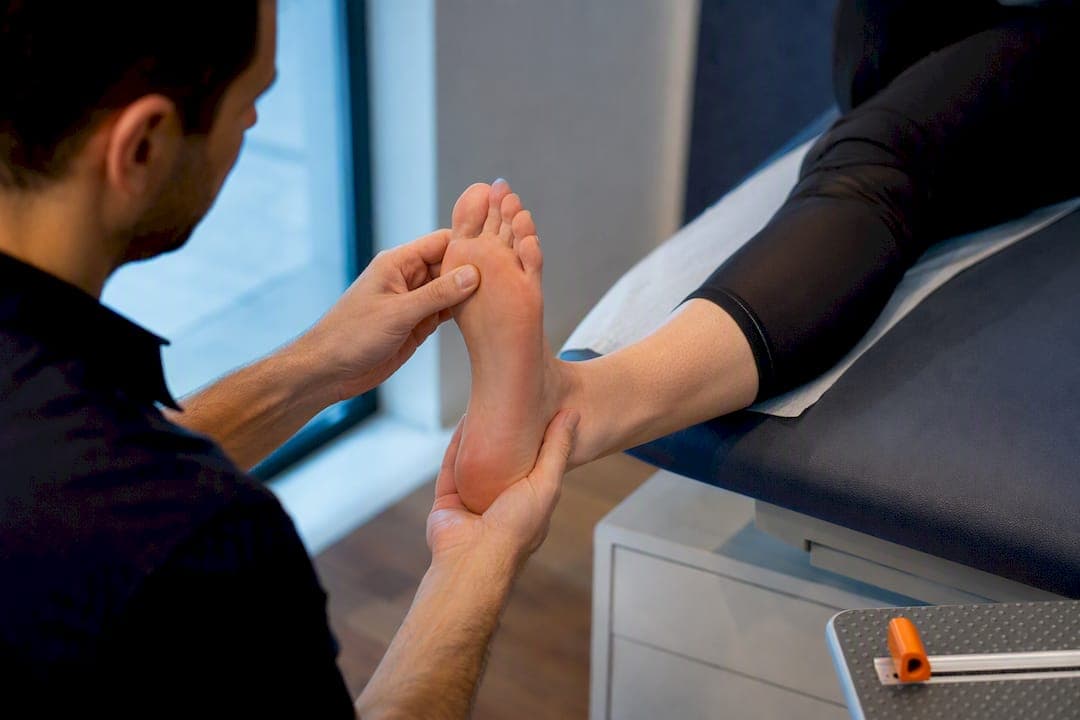
Off-the-shelf insoles typically cost £10 to £80 a pair, semi-custom or modular devices run £60 to £180, and fully custom orthotics sit between £150 and £600 or more. Add a private consultation fee of £55 to £300 on top, since the device price rarely includes assessment. NHS provision exists via GP referral, but scope and waiting times vary by trust.
TL;DR:
- Fully custom orthotics cost between £150 and £600, with material choice and assessment depth significantly influencing the final price, and additional consultation fees can range from £55 to £300.
- Custom devices last from one to five years depending on activity, with refurbishment options extending their lifespan, while off-the-shelf insoles may need replacement every few months due to compression.
- Private clinics often include thorough assessments and follow-up appointments in their quotes, unlike NHS services, which offer free devices but may have limited options and long waiting times.
- When comparing prices, always ask if the quote covers assessment, adjustments, follow-up, and bank on getting an all-in figure to avoid hidden costs.
- Spending more upfront on a detailed biomechanical assessment and a tailored orthotic increases the likelihood of solving the underlying problem compared to buying off-the-shelf insoles.
Table of Contents
- How much are orthotics in the UK? Price bands explained
- What actually affects the price you're quoted?
- NHS orthotics vs private care: what's the real trade-off?
- How long do orthotics last, and what does upkeep cost?
- Checklist: insurance, quotes and questions before you commit
- What to expect from an assessment at Parks Therapy Centre
- Is it worth spending more on orthotics?
- Sources
- FAQ
How much are orthotics in the UK? Price bands explained
The price you pay depends almost entirely on which category of device you need, and clinics rarely advertise this clearly enough for patients to compare like for like.
Off-the-shelf insoles sit at the bottom of the market. They're mass-produced in standard sizes, sold in pharmacies and sports shops, and cost roughly £10 to £80. They suit mild, generic support needs, such as extra cushioning for long shifts on your feet, but they won't correct a specific biomechanical fault because they're not shaped to your foot.
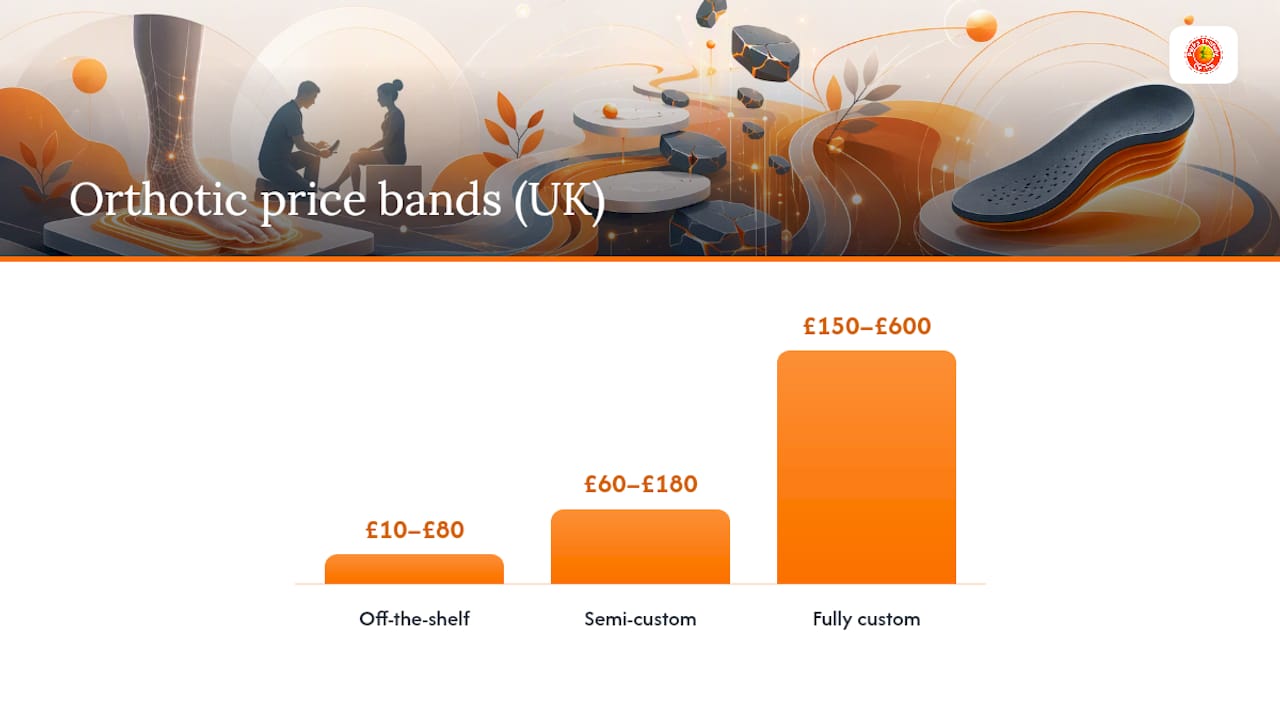
Semi-custom or modular insoles bridge the gap. A clinician takes a prefabricated shell and heat-moulds or adjusts it to your foot shape during the appointment, typically pricing between £60 and £180. These work well for moderate issues like mild overpronation, where some correction is needed but a full custom mould would be overkill.
Fully custom orthotics are cast or scanned from your individual foot and manufactured to a written specification. Material choice drives most of the price variation:
- Polypropylene devices are durable and widely used, often at the lower end of the custom range.
- Carbon fibre orthotics are thinner and stiffer for the same support, commanding a premium, and suit athletes who need a low-profile device inside tight footwear.
- 3D-printed orthotics are increasingly common in UK clinics, and printing in-house can shorten lead times considerably compared with sending a cast away to a lab.
Real clinic price lists give a useful sense of scale. One Hampshire practice lists full custom orthoses around £200 to £530, with consultation appointments running from 30 to 90 minutes depending on complexity. These are illustrative examples rather than a national standard, but they confirm the £150 to £600 range holds up in practice.
What actually affects the price you're quoted?
Two clinics can quote wildly different figures for what sounds like the same product, and the difference usually comes down to what's bundled in.
Materials and manufacturing method matter most. A basic polypropylene shell costs less to produce than a 3D-printed, multi-density device, and that gap shows up directly in your invoice.
Assessment depth is the second big driver. A brief in-clinic check costs less than a full biomechanical assessment with video gait analysis and a written report, but a thorough assessment reduces the risk of an ineffective device and repeat spending down the line.
Before accepting a quote, check what's actually included:
- Lab or manufacturing fees (sometimes itemised separately from the device)
- Fitting appointment and any adjustments on collection
- Follow-up reviews, and whether they're free or charged again
- A written report you can share with a GP or insurer
Regional variation and clinic expertise also nudge prices up or down, with specialist sports podiatry clinics often charging more than general practices.
Pro Tip: Ask every clinic for a single "all-in" figure covering assessment, device, and one follow-up. It's the only way to compare quotes fairly, since some prices quoted are device-only.
NHS orthotics vs private care: what's the real trade-off?
NHS orthotics are provided free to eligible patients, but you need a GP or consultant referral first, and what's offered afterwards depends heavily on your local trust's policy.
Here's the practical difference:
- NHS route: no direct cost to you, but referral is required, device choice is often limited to standard designs, and waiting times can stretch to several months depending on the trust.
- Private route: you pay consultation and device fees directly, but you get faster access, wider material choice (including carbon and 3D-printed options), and often more say in the fitting process.
For a straightforward, generic support need, the NHS pathway can be perfectly adequate once you're through the referral queue. For athletes, complex biomechanical issues, or anyone who needs a device quickly, private care tends to be the more practical route despite the cost. If your GP thinks orthotics could help, our guide to podiatry's role in pain management explains how that referral conversation usually starts.
How long do orthotics last, and what does upkeep cost?
Lifespan varies enormously by material and how hard you use the devices.
- Off-the-shelf insoles: often need replacing every few months for active users, since foam and basic plastics compress quickly.
- Custom orthotics: commonly last one to five years, depending on material, body weight, and activity level.
Refurbishment can stretch that lifespan further. Many clinics and the NHS offer top-cover replacement rather than a full remake, which is usually far cheaper than starting from scratch and can add years of usable life to a well-made shell.
Three things shorten lifespan faster than anything else: high-impact activity, significant weight change, and wearing devices inside poorly fitted or worn-out footwear. If you're a runner putting 30 miles a week through a custom pair, expect to refurbish or replace sooner than someone using theirs for occasional walking.
Checklist: insurance, quotes and questions before you commit
If you have private medical insurance, check three things before booking: whether orthotics need pre-authorisation, whether your policy caps the annual amount for podiatry or orthotic devices, and whether you need itemised receipts (most insurers do).
When comparing clinic quotes, ask:
- Does this price include the initial assessment, or is that billed separately?
- What manufacturing method is used, and is it made in-house or sent to an external lab?
- Are follow-up appointments and adjustments included, or charged again?
- Is there any warranty or refurbishment option if the device wears unevenly?
A worked example helps put the total in perspective. A full biomechanical assessment at £150, a custom polypropylene device at £250, and one included follow-up gives a realistic total outlay of around £400, comfortably inside the typical custom range once consultation is factored in.
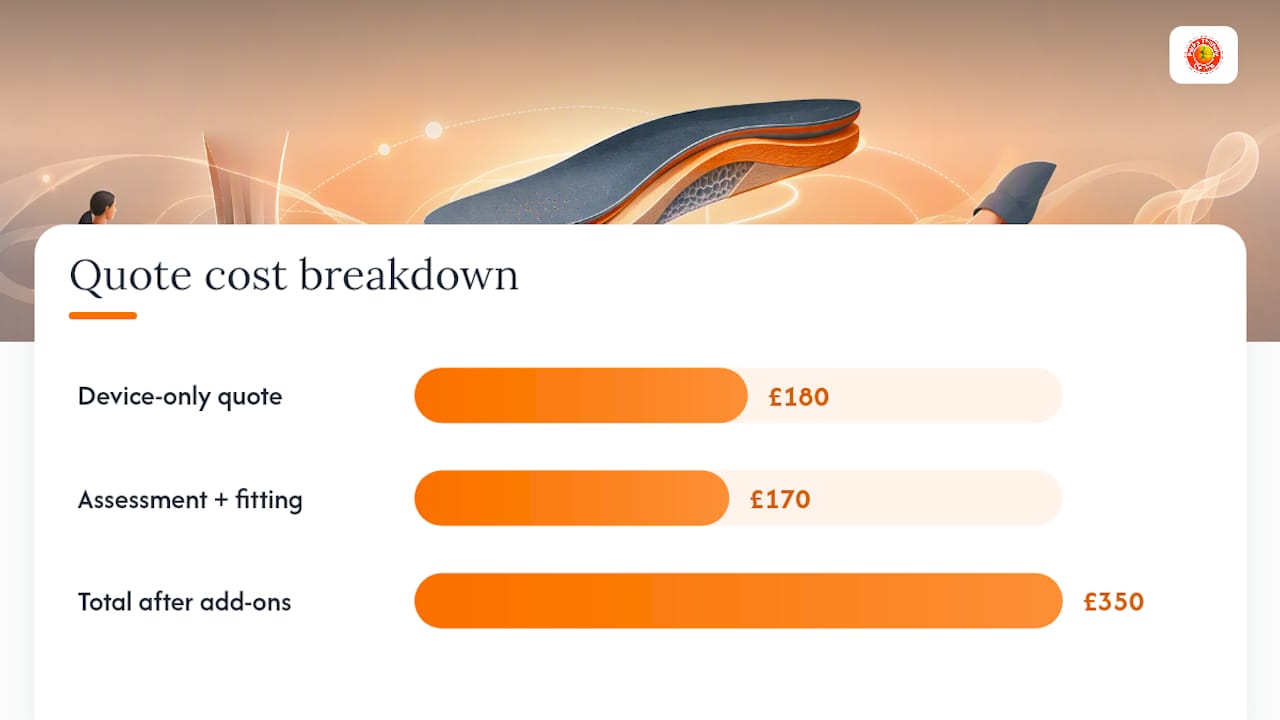
Pro Tip: Always ask for the total figure, not just the device price. A £180 orthotic quote can become £350 once assessment and fitting are added, and you want that clarity before you commit.
What to expect from an assessment at Parks Therapy Centre
Parks Therapy Centre is a multidisciplinary clinic offering physiotherapy and podiatry alongside acupuncture, sports massage, and shockwave therapy across its Bedfordshire and Buckinghamshire locations. A Physiotherapy Assessment costs £76 and typically covers a detailed look at gait, posture, and the biomechanical factors that might point towards an orthotic recommendation, with follow-up treatment sessions priced separately at £67.
Because the team spans physiotherapy and podiatry-adjacent expertise under one roof, patients often get a combined view of foot mechanics and how they relate to knee, hip, or back pain, rather than a device recommendation made in isolation. If flat feet or arch pain are part of the picture, our 8-week flat feet exercise plan is worth reading alongside any orthotic assessment, since exercises and devices often work best together.
Is it worth spending more on orthotics?
Cheaper devices aren't always false economy, but for anyone with a genuine biomechanical problem, spending more upfront on a proper assessment tends to pay off. A device built from a full gait analysis is far more likely to solve the actual problem than one bought off a shelf and hoped for the best.
The real balance is short-term comfort against long-term correction. An off-the-shelf insole might feel fine within days; a custom device sometimes needs a break-in period while your foot adjusts to genuine biomechanical change. Ask any clinic about a trial period or an early follow-up review before you commit to the full cost. That single question does more to protect your money than chasing the lowest quote.
— Ivan
This article is general information, not a substitute for advice from a qualified doctor. Consult a qualified healthcare professional about your own circumstances before acting on anything here.
Sources
- Orthotics | SWBH NHS
- NHS vs Private Orthotics UK: What Patients Need to Know — SoleGuide
- How Much Are Orthotics? A Buyer's Guide To Costs
FAQ
Can I get orthotics on the NHS?
Yes, but you need a GP or consultant referral first, and provision depends on local trust policy, which affects both device choice and waiting times.
How much does a good pair of orthotics cost?
Custom orthotics typically cost £150 to £600 depending on material and complexity, plus a separate consultation fee of £55 to £300.
Are orthotics really worth it?
For a genuine biomechanical issue confirmed by proper assessment, yes, since a well-fitted device addresses the underlying cause rather than masking discomfort. For mild, generic support, an off-the-shelf insole at £10 to £80 may do the job just as well.
What are the best orthotic insoles in the UK?
There's no single "best" insole, since the right choice depends on your foot shape, activity level, and specific problem. A proper assessment, whether NHS or private, is the only reliable way to match a device type and material to your needs rather than guessing from a shelf.