
TL;DR:
- Holistic physiotherapy treats the whole person by addressing physical, emotional, social, and lifestyle factors to optimize long-term well-being. It relies on the biopsychosocial model and shared decision-making, contrasting with traditional therapy's focus on physical impairments alone. This integrative approach is especially effective for chronic conditions and enhances patient satisfaction, adherence, and overall health outcomes.
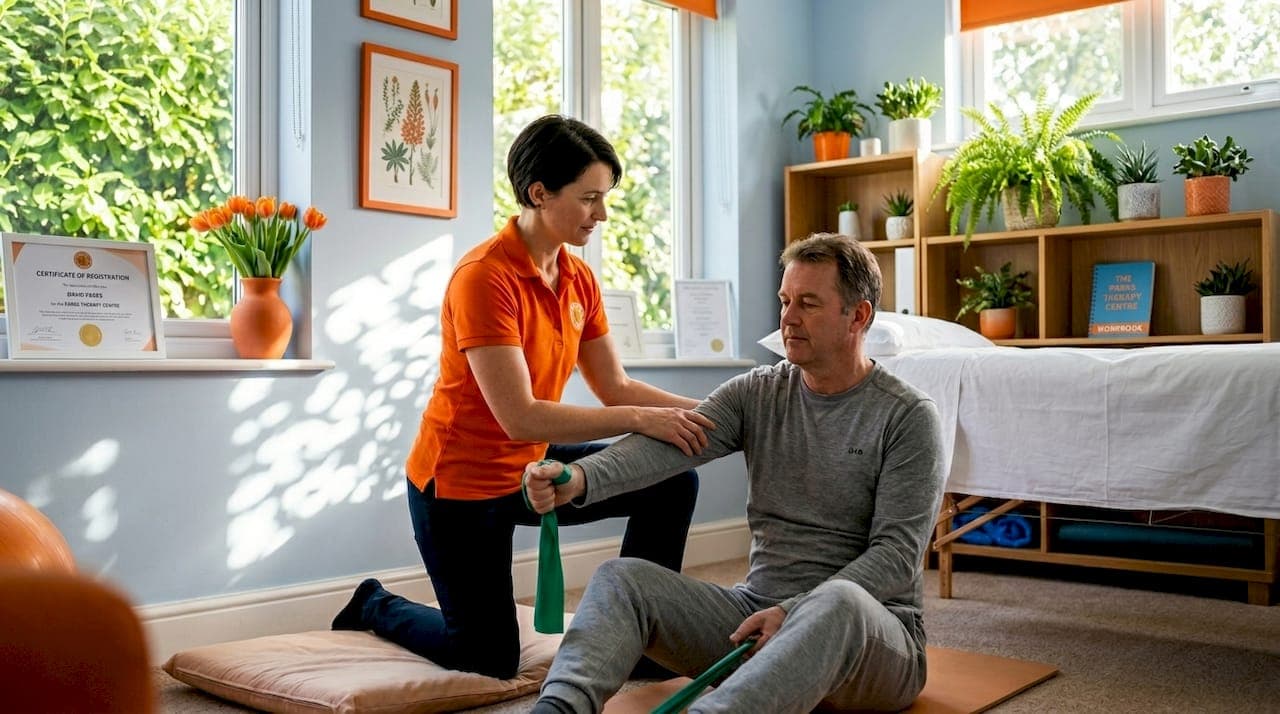
Holistic physiotherapy is an integrative healthcare practice that treats the whole person, addressing physical symptoms alongside emotional, social, and lifestyle factors to optimise recovery and long-term well-being. Recognised by the Chartered Society of Physiotherapy as a core strength of the profession, this approach draws on the biopsychosocial model rather than the traditional biomedical framework. Where conventional physiotherapy might focus on a painful knee or a stiff shoulder in isolation, integrative physiotherapy asks why that problem developed, what sustains it, and what the patient's full life context looks like. The result is care that goes further than symptom relief.
How does holistic physiotherapy differ from traditional physiotherapy?
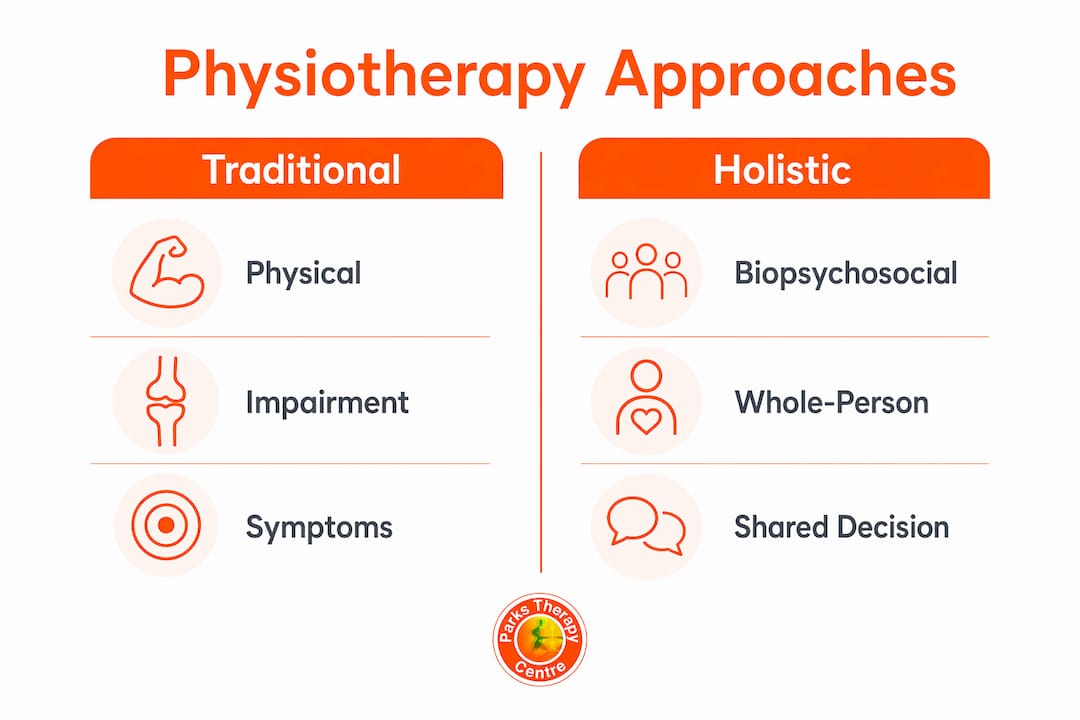
Traditional physiotherapy operates primarily within a biomedical model. The therapist identifies a physical impairment, applies targeted treatment such as manual therapy or electrotherapy, and measures success by reduced pain or restored range of motion. That model works well for straightforward, acute injuries. It becomes less effective when a patient's recovery is complicated by stress, poor sleep, sedentary work, or low mood.
Holistic physiotherapy, by contrast, applies the biopsychosocial model, which shifts focus from impairments alone to the biological, psychological, and social factors that shape a person's health. A therapist working holistically will assess not just your movement patterns but also your stress levels, sleep quality, work demands, and personal goals. This broader picture changes both the treatment plan and the expected outcomes.
| Feature | Traditional physiotherapy | Holistic physiotherapy |
|---|---|---|
| Primary focus | Physical impairment and symptoms | Whole person: body, mind, and lifestyle |
| Assessment scope | Musculoskeletal and neurological function | Physical, psychological, social, and lifestyle factors |
| Treatment methods | Manual therapy, exercise, electrotherapy | Exercise, education, lifestyle counselling, complementary therapies |
| Outcome measures | Pain reduction, range of motion | Quality of life, patient satisfaction, long-term behaviour change |
| Patient role | Recipient of treatment | Active participant in shared decision-making |
The distinction matters most for chronic conditions. A patient with persistent lower back pain who also works long hours, sleeps poorly, and feels anxious about their prognosis will not recover fully from manual therapy alone. Holistic physiotherapy addresses the full picture.
Pro Tip: When booking a physiotherapy appointment, ask whether the therapist uses a biopsychosocial assessment. If they only ask about your physical symptoms, you are likely receiving traditional rather than integrative care.
What key principles underpin holistic physiotherapy?
The foundation of holistic physiotherapy is whole-person care, a concept that coordinates physical, psychological, social, functional, cultural, and spiritual dimensions within a single treatment framework. A 2026 systematic review covering studies from 2022 to 2025 found consistent benefits for patient experience and care coordination within these models. That finding confirms what many experienced clinicians already observe: patients who feel genuinely understood tend to engage more fully with their treatment.
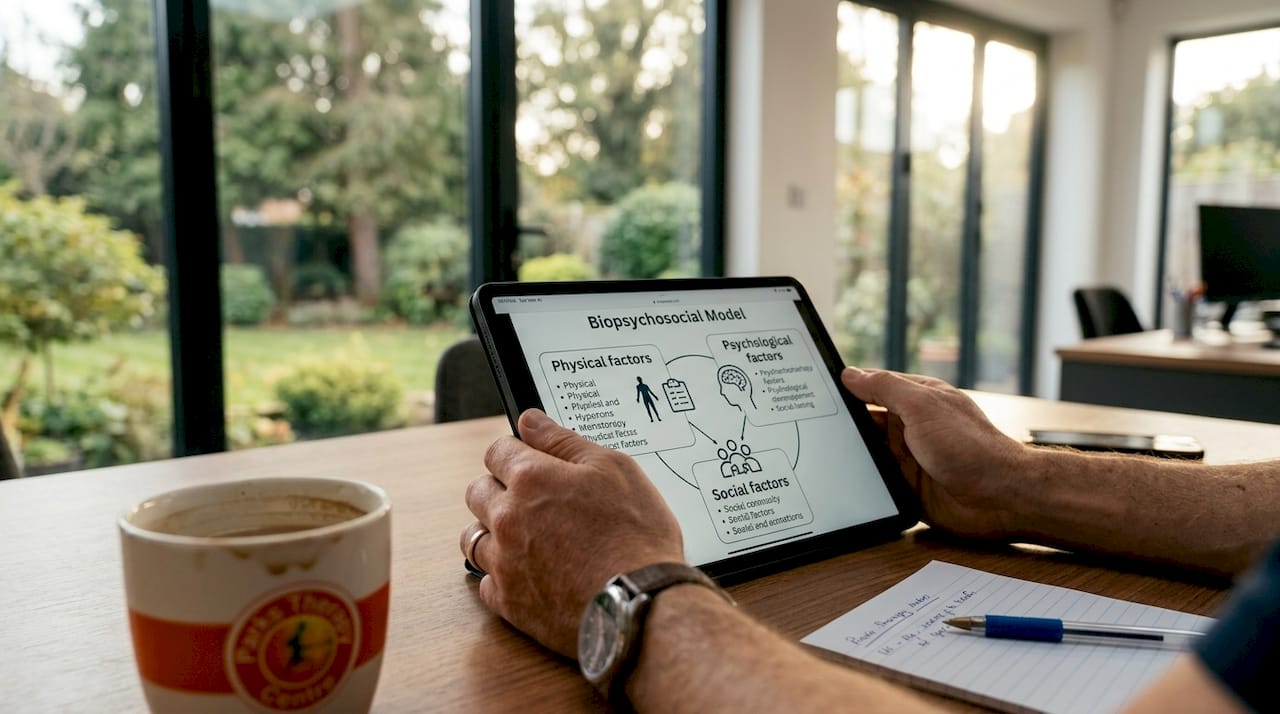
The biopsychosocial model is the most widely cited theoretical framework underpinning this approach. Developed as an alternative to the purely biomedical view, it recognises that chronic conditions in particular are shaped by behaviour and psychosocial context, not just tissue damage. Applied to physiotherapy, this means a therapist considers how a patient thinks about their pain, how their social environment supports or hinders recovery, and what motivates them to change.
Shared decision-making is another defining principle. Rather than prescribing a treatment programme and expecting compliance, the holistic physiotherapist works with you to set goals, weigh options, and agree on a plan that fits your life. Integrative health models that use this approach consistently show improved patient satisfaction and better adherence to healthy behaviours. Patients who co-create their treatment plans are more likely to follow through.
One honest challenge worth acknowledging: terminology is inconsistent. Two clinics both labelled as offering holistic physiotherapy may differ significantly in practice, because no universally standardised definition exists internationally. Asking specific questions about biopsychosocial assessments and how they influence your treatment goals is the most reliable way to verify what a provider actually delivers.
What techniques are used in holistic physiotherapy?
Holistic physiotherapy draws on a broader toolkit than traditional practice. The specific combination depends on the individual patient, but the following categories cover the most common interventions.
- Exercise and movement therapy. Graded exercise programmes are adapted to the patient's physical capacity, psychological readiness, and daily routine. The goal is not just strength or flexibility but sustainable movement habits that fit real life.
- Patient education. Understanding your condition reduces fear and catastrophising, both of which are known to prolong pain. Therapists explain the science of pain, the role of the nervous system, and why activity is often safer than rest.
- Lifestyle counselling. Sleep, nutrition, stress management, and work ergonomics all influence recovery. A holistic physiotherapist will discuss these factors directly and may refer you to a dietitian, psychologist, or occupational therapist where appropriate.
- Operant behavioural therapy. Under the biopsychosocial model, graded activities and patient education using time-contingent activity quotas reshape pain-related behaviours and encourage positive health habits. This is particularly effective for chronic pain management.
- Complementary therapies. Practices such as massage therapy, acupuncture, and mindfulness-based techniques are sometimes integrated where evidence supports their use and the patient finds them beneficial.
- Interdisciplinary coordination. Holistic physiotherapists actively communicate with GPs, consultants, and other allied health professionals to deliver joined-up care rather than siloed treatment.
For patients building a personalised physiotherapy plan, understanding which of these techniques applies to your specific condition is the starting point for a genuinely effective recovery.
Pro Tip: Before your first appointment, write down not just your physical symptoms but also your sleep patterns, stress levels, and any lifestyle factors you think might be relevant. A holistic physiotherapist will ask about these anyway, and arriving prepared speeds up the assessment considerably.
What are the benefits of holistic physiotherapy?
The evidence base for integrative physiotherapy practices is growing steadily. A review of 14 clinical trials found that integrative approaches improve mental health, pain management, and quality of life across a range of conditions. That breadth of benefit is precisely what distinguishes this model from narrower symptom-focused care.
The most consistently reported benefits include:
- Better patient satisfaction. Patients who feel their full circumstances are understood report higher satisfaction with their care, regardless of clinical outcome alone.
- Improved adherence. When treatment plans account for a patient's lifestyle, work schedule, and personal goals, they are far more likely to be followed consistently.
- More effective chronic pain management. Conditions such as fibromyalgia, persistent lower back pain, and osteoarthritis respond better to approaches that address psychological and social contributors alongside physical ones.
- Support for mental health. Physiotherapy integrating mental, physical, and social care leads to better quality of life outcomes for complex conditions, including neurological disorders such as motor neuron disease.
- Reduced reliance on medication. Integrative healthcare combining conventional and complementary lifestyle treatments results in reduced use of multiple medications where applicable, according to the same review of 14 trials.
The Chartered Society of Physiotherapy notes that physiotherapy's whole-person approach and interdisciplinary collaboration are critical to managing the rising complexity of health conditions globally. Shifting care towards community settings and addressing cultural competence extends these benefits to more diverse patient populations.
Holistic physiotherapy is particularly well suited to managing conditions where multiple factors interact: chronic musculoskeletal pain, post-surgical recovery complicated by anxiety, sports injuries in athletes under high psychological pressure, and pregnancy-related discomfort where lifestyle and emotional factors are central. For anyone preparing for treatment, understanding what to expect from physiotherapy sessions makes the process less daunting and more productive.
Key takeaways
Holistic physiotherapy works because it addresses the biological, psychological, and social factors that shape recovery, not just the physical symptoms that bring a patient through the door.
| Point | Details |
|---|---|
| Whole-person assessment | Holistic physiotherapy evaluates physical, psychological, social, and lifestyle factors in every patient. |
| Biopsychosocial model | This framework replaces the biomedical model and is especially effective for chronic and multifactorial conditions. |
| Shared decision-making | Patients who co-create their treatment plans show better adherence and higher satisfaction. |
| Broad technique range | Interventions span exercise, education, lifestyle counselling, behavioural therapy, and complementary practices. |
| Verify before you book | Ask providers specifically about biopsychosocial assessments, as no universal standard for holistic physiotherapy exists. |
Why the holistic approach is the future of physiotherapy, not just a trend
I have spent years observing how patients respond when a physiotherapist treats them as a whole person rather than a collection of symptoms. The difference is not subtle. Patients who receive a genuinely integrative assessment often describe it as the first time a clinician has actually listened to them. That is not a small thing. It changes the therapeutic relationship entirely, and a better relationship produces better outcomes.
What I find most compelling about the biopsychosocial model is that it does not ask physiotherapists to become psychologists or life coaches. It asks them to be curious. To ask why a patient's back pain flares every Monday morning. To notice that someone's recovery stalled around the time they mentioned a difficult period at work. These observations cost nothing extra and change everything about the treatment plan.
The Chartered Society of Physiotherapy's emphasis on whole-person care as a defining strength of the profession reflects where the evidence is pointing. Physiotherapy that ignores psychological and social context is not just incomplete. It is increasingly out of step with what the research shows works.
My practical advice: do not accept a physiotherapy assessment that only asks about your pain score and where it hurts. You deserve a conversation about your life, your goals, and what recovery actually means to you. If you are not getting that, find a provider who offers it.
— Ivan
How Parkstherapycentre supports your whole-person recovery
Parkstherapycentre has delivered patient-centred physiotherapy across Bedfordshire and Buckinghamshire since 1986. The team's multidisciplinary approach brings together physiotherapy, acupuncture, podiatry, and sports injury treatment within a framework that considers your physical condition, lifestyle, and personal goals together. Whether you are managing a chronic condition, recovering from injury, or seeking support for pregnancy-related discomfort, the centre's qualified practitioners assess the full picture before recommending a course of treatment. Parkstherapycentre accepts most major insurance providers and offers online booking for your convenience. To discuss your needs and take the first step towards genuinely integrative care, visit Parkstherapycentre and book your assessment today.
FAQ
What does holistic physiotherapy involve?
Holistic physiotherapy involves assessing and treating the physical, psychological, social, and lifestyle factors that affect a patient's health, not just their presenting symptoms. Treatment typically combines exercise therapy, patient education, lifestyle counselling, and coordination with other healthcare professionals.
How is holistic physiotherapy different from traditional physiotherapy?
Traditional physiotherapy focuses primarily on physical impairments using manual therapy and exercise, while holistic physiotherapy applies the biopsychosocial model to address the full context of a patient's condition, including mental health, social circumstances, and lifestyle habits.
What conditions can holistic physiotherapy treat?
Holistic physiotherapy is particularly effective for chronic musculoskeletal pain, persistent lower back pain, fibromyalgia, neurological conditions, sports injuries complicated by psychological factors, and pregnancy-related discomfort. It is also used to support recovery from surgery where anxiety or lifestyle factors are slowing progress.
How do I know if a provider genuinely offers holistic physiotherapy?
Ask whether the therapist conducts a biopsychosocial assessment and how those findings influence your treatment plan. Because no universal standard exists for holistic physiotherapy, the quality of the assessment process is the most reliable indicator of a genuinely integrative approach.
Is holistic physiotherapy supported by evidence?
A review of 14 clinical trials confirms that integrative approaches improve mental health, pain management, and quality of life. A 2026 systematic review also found consistent benefits for patient experience and care coordination within holistic care models across studies conducted between 2022 and 2025.