

TL;DR:
- Integrative pain management addresses biological, psychological, and social factors simultaneously, guided by the biopsychosocial model. Different techniques like movement therapies, mindfulness, manual treatments, and coaching target various aspects of pain for more effective relief. Starting with one modality and adding layers over time enhances sustainable outcomes tailored to individual needs.
Integrative pain management is defined as a treatment approach that addresses the biological, psychological, and social dimensions of pain simultaneously, rather than targeting symptoms alone. The biopsychosocial model underpins this approach and is now recognised by major medical bodies as the standard framework for chronic pain care. Examples of holistic pain management techniques include tai chi, Mindfulness-Based Stress Reduction (MBSR), acupuncture, myofascial release, and whole health coaching. Each targets a different layer of the pain experience. Parkstherapycentre has applied this integrative model since 1986, combining physiotherapy, acupuncture, and personalised care plans across its Bedfordshire and Buckinghamshire locations.
1. What are the best movement-based holistic pain management techniques?
Physical movement is one of the most evidence-backed natural pain relief methods available. It reduces inflammation, improves joint mobility, and signals the nervous system to down-regulate pain responses over time.
- Tai chi. A 2026 meta-analysis of 8 randomised controlled trials involving 526 patients found that tai chi reduces chronic low back pain with a mean difference of -1.40 on the Visual Analog Scale. That is a clinically meaningful reduction achieved without medication.
- Yoga and gentle stretching. Yoga combines breath control, posture, and relaxation to improve flexibility and reduce pain interference. Even 20 minutes of gentle stretching daily can lower muscle tension and improve range of motion in people with chronic musculoskeletal conditions.
- Tailored physiotherapy exercise plans. A physiotherapist designs graded exercise programmes that match your current capacity and progress at a pace your body can sustain. This prevents flare-ups caused by doing too much too soon.
- Daily walking. Low-impact aerobic movement like walking stimulates endorphin release and reduces the sensitisation of pain pathways. Consistency matters more than intensity here.
Pro Tip: Start with one movement modality for four weeks before adding another. This lets you track what is actually working rather than attributing improvement to a combination you cannot unpick.
Parkstherapycentre offers musculoskeletal pain treatment that integrates graded exercise with manual therapy, giving you a structured path back to function.
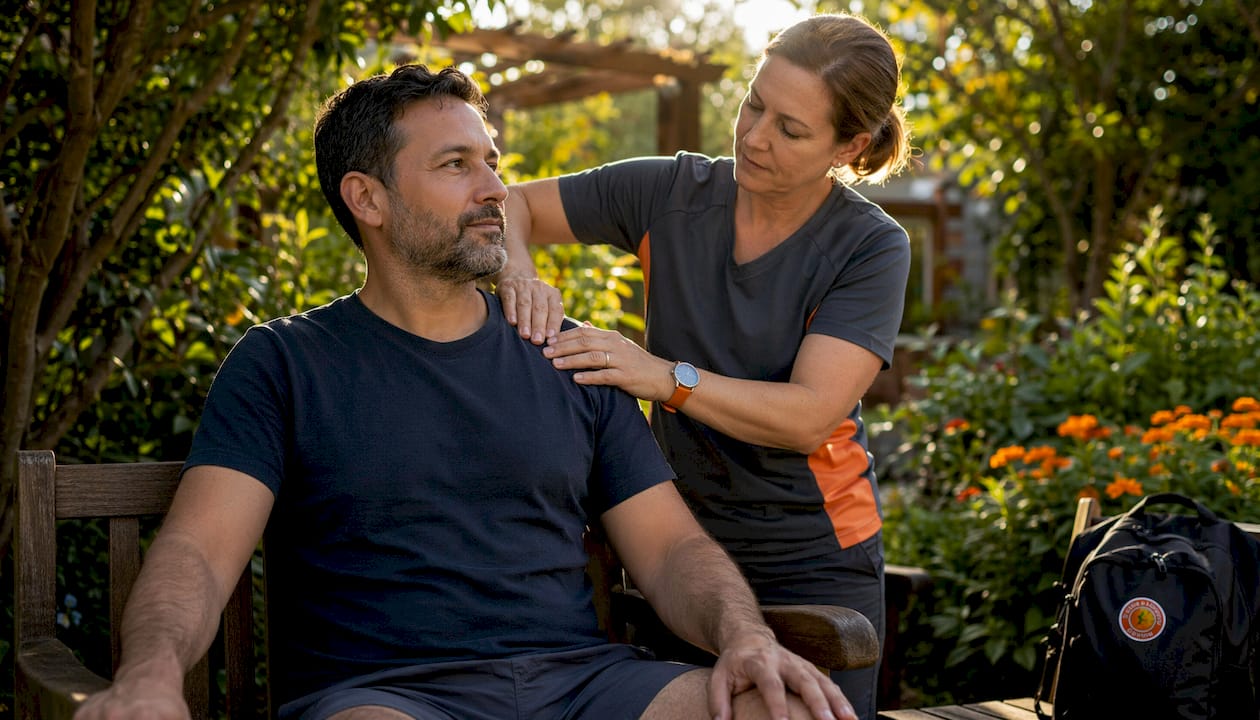
2. How do mind-body practices like mindfulness and meditation help with pain?
Mindfulness changes the brain's relationship with pain, not just your mood. fMRI studies show that regular mindfulness practice decreases activity in emotional pain regions and strengthens the prefrontal cortex, the area responsible for cognitive control. That means you process pain with less reactivity and more perspective.
The most studied programme is Mindfulness-Based Stress Reduction (MBSR). It is a structured eight-week course that teaches:
- Body scan meditation to identify tension and release it consciously
- Seated and walking meditation to anchor attention in the present moment
- Gentle mindful movement, similar to restorative yoga
- Group dialogue to address pain catastrophising and emotional responses
"Mindfulness does not make pain disappear. It changes your relationship with it. Patients learn to observe pain without being consumed by it, which reduces suffering even when the sensation persists."
Pro Tip: During a pain flare, formal sitting meditation can feel impossible. Informal mindfulness practices like mindful eating or mindful walking sustain your practice without adding physical strain.
Visualisation techniques offer a related route. Guided imagery and pain visualisation methods can make pain more manageable by redirecting the brain's attention and reducing the emotional amplification of physical signals.
3. Which hands-on therapies offer natural pain relief?
Manual therapies address the physical tissue and musculoskeletal contributors to pain directly. They are among the most widely used complementary therapies for pain in clinical settings, and for good reason.
- Acupuncture. Fine needles inserted at specific points stimulate the nervous system, reduce local inflammation, and modulate pain signalling pathways. Parkstherapycentre's qualified acupuncturists use this technique for conditions ranging from lower back pain to headaches and sports injuries.
- Massage therapy. Soft tissue massage reduces muscular tension, improves circulation, and lowers cortisol levels. It is particularly effective for people whose pain has a strong muscular component, such as tension headaches or fibromyalgia.
- Myofascial release. This technique targets the connective tissue surrounding muscles. Sustained, gentle pressure releases restrictions in the fascia that contribute to widespread or referred pain patterns.
- Chiropractic and spinal manipulation. Spinal adjustments address joint mobility restrictions that can cause or perpetuate pain, particularly in the lower back and neck. Best results come when combined with exercise rather than used in isolation.
- Sports injury treatment. For people whose pain stems from an acute or overuse injury, hands-on sports therapy addresses the specific tissue involved and restores function more quickly than rest alone.
These therapies work best as part of a broader plan rather than standalone treatments. Combining acupuncture with physiotherapy, for example, addresses both the neurological and structural dimensions of pain at the same time.
4. What role do integrative coaching and personalised whole health plans play?
The Whole Health model represents the most advanced form of integrative pain treatment currently in clinical use. A 2026 study of 764 veterans found that whole health coaching improved pain interference more than cognitive behavioural therapy or standard care after 12 months. That result matters because it shows that aligning pain management with a person's values and life goals produces better outcomes than symptom-focused treatment alone.
| Approach | Core focus | Key benefit |
|---|---|---|
| Whole Health coaching | Personal values and goals | Greater pain interference reduction at 12 months |
| Cognitive behavioural therapy | Thought and behaviour patterns | Reduces catastrophising and avoidance |
| Standard medical care | Symptom and medication management | Accessible but limited for chronic conditions |
| Integrative multimodal plan | Body, mind, and lifestyle combined | Addresses all pain dimensions simultaneously |
Personalised goal setting sits at the centre of this model. A wellness coach helps you identify what matters most, whether that is returning to gardening, sleeping through the night, or managing work. Treatment decisions then serve those goals rather than a generic protocol.
Shared decision-making between patient and provider reduces the trial-and-error frustration that many people experience with chronic pain. When you understand why each therapy is chosen and how it fits your plan, adherence improves significantly.
Parkstherapycentre's multidisciplinary therapy approach reflects this model, combining physiotherapy, acupuncture, and podiatry within a coordinated care structure.
5. How to choose the right techniques for your needs
Choosing between alternative pain management strategies is easier when you use a structured framework. Experts recommend a three-layer approach that builds from the body outward.
| Layer | Techniques | Best suited for |
|---|---|---|
| Body-based | Acupuncture, massage, physiotherapy | Musculoskeletal, joint, and tissue pain |
| Nervous system regulation | MBSR, biofeedback, guided imagery | Nerve pain, central sensitisation, anxiety-driven pain |
| Foundation habits | Nutrition, sleep, pacing, gentle movement | All chronic pain conditions as a baseline |
Start with one technique from the layer most relevant to your primary symptom. If your pain is largely musculoskeletal, begin with physiotherapy or acupuncture. If your pain has a strong emotional or neurological component, MBSR or coaching may produce faster results. Add techniques from other layers once you have a baseline sense of what is helping.
Pacing is non-negotiable. Doing too much on a good day and crashing the next is one of the most common patterns that keeps chronic pain entrenched. A step-by-step pain management plan built with a clinician helps you set realistic activity targets and adjust them as your capacity changes.
Nutrition and sleep are not optional extras. Poor sleep amplifies pain sensitivity, and an anti-inflammatory diet reduces the physiological drivers of persistent pain. These foundation habits support every other technique you use.
Key takeaways
Effective pain management requires addressing the body, nervous system, and daily habits together rather than relying on any single technique.
| Point | Details |
|---|---|
| Movement reduces pain | Tai chi, yoga, and graded exercise lower pain scores and improve function with consistent practice. |
| Mindfulness changes brain activity | MBSR reduces emotional reactivity to pain and strengthens cognitive control through structured eight-week training. |
| Manual therapies target tissue | Acupuncture, massage, and myofascial release address local inflammation and muscular tension directly. |
| Whole health coaching outperforms standard care | Personalised goal-based plans produced greater pain interference reduction than CBT or usual care at 12 months. |
| Build in layers | Start with one body-based technique, add nervous system regulation, then embed foundation habits for sustainable relief. |
Why I think most people approach holistic pain management backwards
Most people arrive at integrative techniques after years of chasing a single fix. They try acupuncture for three sessions, decide it is not working, and move on. The problem is not the technique. The problem is the expectation that one modality will resolve what took years to develop.
What I have seen work, consistently, is starting small and staying consistent. One technique, practised properly for six to eight weeks, tells you far more than five techniques tried briefly. Functional improvement, not pain elimination, is the right target. Asking "can I walk further this month than last month?" is more useful than asking "is my pain score lower today?"
The other shift worth making is treating your healthcare provider as a collaborator, not a prescriber. The chronic pain management guides that produce the best outcomes are built around what the patient values, not what the clinician prefers. Bring your goals to every appointment. The conversation changes when you do.
— Ivan
Parkstherapycentre's approach to integrative pain care
Parkstherapycentre has been delivering patient-centred, multimodal pain care since 1986. The team combines physiotherapy, acupuncture, sports injury treatment, and podiatry across multiple locations in Bedfordshire and Buckinghamshire, giving you access to a coordinated care team rather than a single practitioner working in isolation.
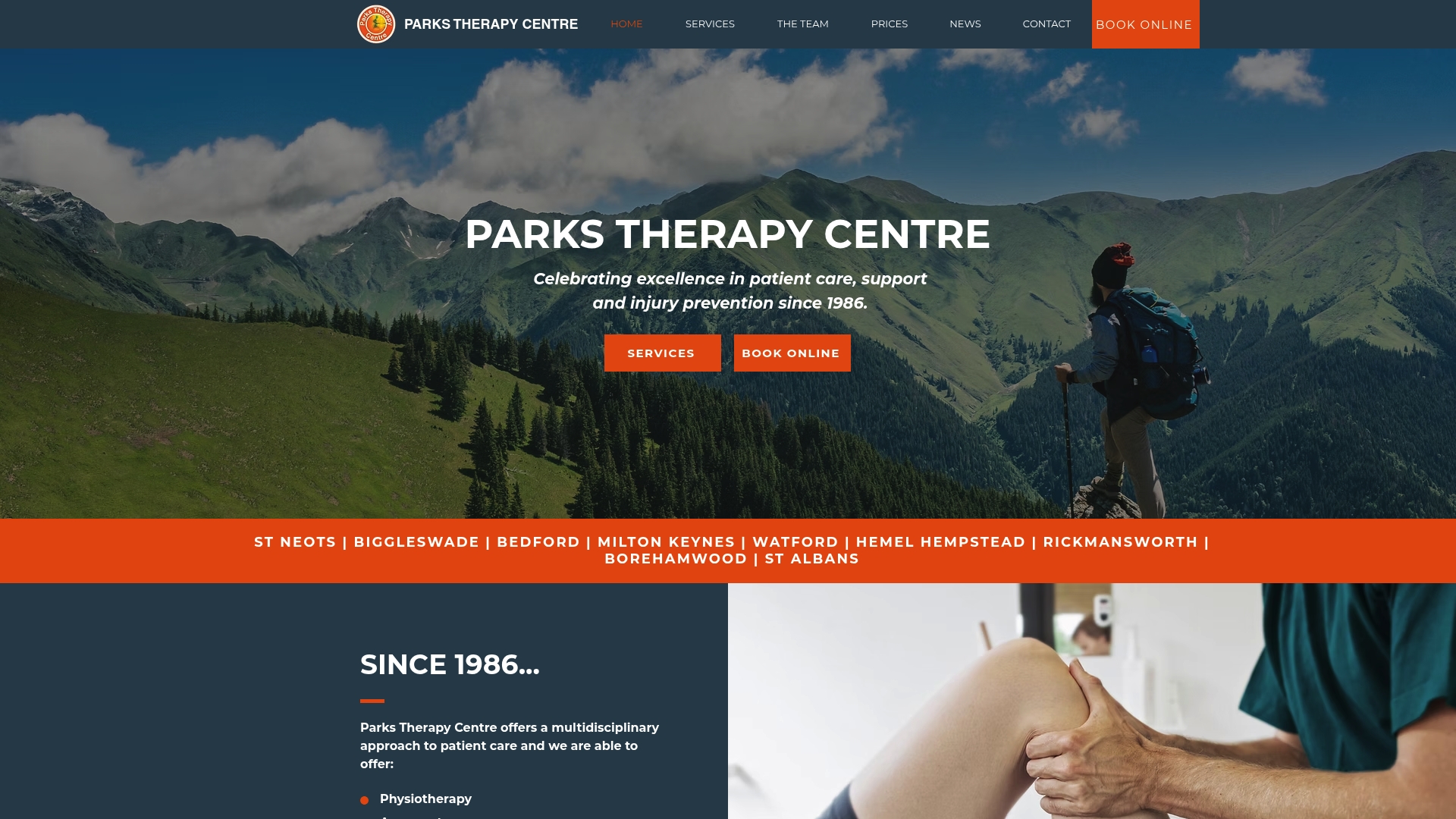
Whether you are managing a long-term condition or recovering from an injury, Parkstherapycentre offers personalised assessments that match techniques to your specific symptoms and goals. The centre accepts insurance cover and offers online booking, making it straightforward to take the next step. Visit Parkstherapycentre to find the right combination of therapies for your needs.
FAQ
What is holistic pain management?
Holistic pain management is an integrative approach that addresses the biological, psychological, and social factors contributing to pain, rather than treating symptoms in isolation. The biopsychosocial model is the recognised clinical framework underpinning this approach.
Which holistic technique works best for chronic back pain?
Tai chi is one of the most evidence-backed options, with a 2026 meta-analysis of 526 patients showing a clinically meaningful reduction in chronic low back pain scores. Physiotherapy and acupuncture are also well-supported for this condition.
How long does it take for holistic pain management to work?
Most structured programmes, such as MBSR, run for eight weeks before measurable changes in pain perception and function become clear. Whole health coaching studies show significant improvements at 12 months, reflecting the long-term nature of sustainable relief.
Can I combine multiple holistic techniques at once?
Combining techniques is recommended, but experts advise introducing one modality at a time over four to six weeks so you can accurately assess what is producing results. A personalised pain management plan built with a clinician makes this process more structured and effective.
Is holistic pain management suitable for all types of pain?
The three-layer framework covers musculoskeletal, neurological, and lifestyle-driven pain, making it applicable across most chronic pain conditions. Specific techniques are matched to symptom type, so a clinician assessment helps identify the most appropriate starting point for your situation.