

TL;DR:
- Multidisciplinary therapy involves coordinated care from a team of specialists working under one shared plan to treat the whole person. Such approaches improve patient outcomes by aligning interventions across physical, mental, and wellness domains, emphasizing shared records and regular communication. Asking providers about their communication practices and shared documentation is essential to ensure genuine integration and effective treatment.
Multidisciplinary therapy is defined as coordinated care delivered by a team of specialists from different disciplines working together under one shared treatment plan. The best examples of multidisciplinary therapy approaches combine physiotherapy, psychology, occupational therapy, dietetics, and social work to treat the whole person rather than a single symptom. A prospective 348-patient study found that teams including internists, cardiologists, psychiatrists, clinical pharmacists, and physiotherapists reduced 30-day readmission rates and raised patient satisfaction significantly. Whether you are recovering from surgery, managing a mental health condition, or seeking integrated wellness support, understanding how these models work helps you choose care that actually fits your needs.
1. Examples of multidisciplinary therapy approaches in physical rehabilitation
Physical rehabilitation is where multidisciplinary care is most clearly visible. A typical post-surgery team at a centre like Parkstherapycentre includes physiotherapists, occupational therapists, dietitians, and clinical pharmacists, each contributing to a single coordinated recovery plan. Rather than seeing each specialist separately and hoping they communicate, you follow one goal-directed programme reviewed at regular intervals.
Post-surgery rehabilitation is a strong example of this in action. A patient recovering from a hip replacement might work with a physiotherapist on strength and mobility, an occupational therapist on daily function, and a dietitian on tissue repair nutrition, all within the same care pathway. Structured multidisciplinary rehabilitation delivered three times weekly over eight weeks has been shown to improve functional status and patient-centred outcomes, including in post-COVID-19 recovery programmes.
Core therapies commonly included in physical rehabilitation teams are:
- Hydrotherapy for low-impact joint mobility
- Manual therapy and soft tissue work from physiotherapists
- Clinical Pilates for core stability and postural correction
- Pain management techniques including acupuncture and electrotherapy
- Occupational therapy for functional task retraining
- Dietetic support for anti-inflammatory nutrition
Pro Tip: Ask any rehabilitation provider whether your team uses a shared patient record. If each specialist keeps separate notes, your care is parallel rather than truly integrated.
2. Musculoskeletal and sports injury: a collaborative treatment model
Musculoskeletal care is one of the clearest interdisciplinary therapy examples in everyday clinical practice. At Parkstherapycentre, a patient presenting with a chronic knee injury might be assessed by a physiotherapist, a podiatrist reviewing gait and foot mechanics, and a sports therapist addressing soft tissue restrictions. Each assessment informs the others, preventing conflicting advice.

This collaborative treatment method matters because musculoskeletal problems rarely have a single cause. Foot overpronation, hip weakness, and poor movement patterns often combine to produce knee pain. A safe post-injury training plan built by a multidisciplinary team accounts for all contributing factors simultaneously, rather than addressing them one at a time in sequence.
The practical benefit is speed. When a podiatrist and physiotherapist share findings in real time, your rehabilitation exercises are designed around your corrected gait from day one, not retrofitted later.
3. Multidisciplinary therapy approaches in mental health and behavioural care
Mental health is where fragmented care causes the most harm. Relapse rates of 30–50% in complex behavioural conditions are directly linked to sequential, siloed treatment rather than concurrent care of all co-occurring conditions. Treating anxiety without addressing the underlying trauma, or managing an eating disorder without treating co-occurring ADHD, produces predictable failure.
Effective integrated therapy models for mental health bring together psychiatrists, psychologists, trauma-informed therapists, social workers, and family therapists under one shared conceptual framework. The one-team, one-chart model means your history is told once, not repeated to every new clinician. Continuity of care reduces patient stress by preserving therapeutic relationships and avoiding repeated retelling of trauma.
Common roles in a mental health multidisciplinary team include:
- Psychiatrist: medication management and diagnostic oversight
- Psychologist: evidence-based therapies such as CBT or EMDR
- Trauma-informed therapist: somatic and relational approaches
- Social worker: housing, benefits, and community support
- Family therapist: systemic work with close relationships
- Occupational therapist: daily functioning and routine building
Pro Tip: When evaluating a mental health provider, ask whether all team members use a shared conceptual model such as the International Classification of Functioning (ICF). Teams without a common framework risk giving you contradictory guidance.
4. Integrated wellness and holistic multidisciplinary therapy examples
Integrated wellness centres represent the broadest examples of multidisciplinary healthcare approaches. These settings combine counselling, somatic therapy, nervous system regulation, lifestyle coaching, and nutritional support into a single client pathway. The goal is not crisis management but whole-person health.
A typical client journey at an integrated wellness centre might look like this:
- Initial intake: a practitioner maps overlapping physical, emotional, and lifestyle concerns. Patients do not need a prior diagnosis to enter this process.
- Counselling phase: a psychotherapist addresses thought patterns, stress responses, and emotional regulation.
- Body-based therapy: a somatic therapist or physiotherapist works on physical tension held in the nervous system.
- Lifestyle integration: a health coach or dietitian addresses sleep, nutrition, and movement habits.
- Review and adjustment: the team meets to align their approaches and update the shared plan.
Consilience, the integration of knowledge across scientific fields, is what prevents these teams from pulling in different directions. When a counsellor and a somatic therapist share the same understanding of how stress affects the body, their sessions reinforce rather than contradict each other.
This model works particularly well for clients experiencing burnout, persistent fatigue, or chronic stress where no single diagnosis explains the full picture. The multifaceted therapy strategy addresses the physiological, psychological, and social dimensions at the same time.
Pro Tip: Before committing to a wellness centre, ask how often practitioners communicate about your case. Weekly team reviews signal genuine integration. Monthly or ad hoc contact suggests parallel care dressed up as collaboration.
5. Multidisciplinary rehabilitation approaches for elderly and home-based care
Elderly patients present some of the most complex care needs, making multidisciplinary rehabilitation approaches particularly valuable in this group. Falls prevention, post-hospitalisation recovery, cognitive decline, and chronic pain often coexist in a single patient. A team approach prevents the common problem of one specialist's intervention undermining another's.
Home care multidisciplinary teams typically include district nurses, physiotherapists, occupational therapists, and social care coordinators. The occupational therapist assesses home safety and adapts the environment. The physiotherapist builds strength and balance. The social care coordinator addresses isolation and practical support. Each role is distinct but the outcomes are shared.
Professional home care plans for elderly patients demonstrate how written, shared documentation keeps every team member aligned across visits. Without this, a physiotherapist might prescribe exercises that an occupational therapist has not accounted for in the home layout.
6. How multidisciplinary teams coordinate care and shared documentation
The difference between a genuine multidisciplinary team and a group of specialists who happen to share a waiting room is coordination. Shared patient charts are foundational. Separate records cause communication lapses, reactive rather than proactive care, and unnecessary repetition of trauma for patients.
Effective interdisciplinary teams use shared conceptual frameworks such as the ICF to create a common language across disciplines. This shifts teams from parallel work, where each clinician pursues their own goals, to integrated strategies where every intervention complements the others.
The table below contrasts the two models clearly:
| Feature | Multidisciplinary integrated care | Traditional parallel care |
|---|---|---|
| Patient records | Single shared chart | Separate notes per clinician |
| Goal setting | Collaborative, team-agreed | Individual per discipline |
| Communication | Regular case conferences | Ad hoc or absent |
| Patient experience | Tells story once | Repeats history to each clinician |
| Intervention alignment | Complementary by design | Risk of conflicting advice |
| Outcome focus | Whole-person recovery | Symptom-specific treatment |
Teams with regular case conferences and integrated care plans consistently achieve better patient outcomes. The operational investment in coordination pays back in reduced duplication, fewer errors, and faster recovery.
Key takeaways
Multidisciplinary therapy approaches produce better outcomes than parallel care because coordinated teams treat the whole person, not isolated symptoms.
| Point | Details |
|---|---|
| Shared records are non-negotiable | A single patient chart prevents communication lapses and avoids repeated trauma for patients. |
| Mental health needs concurrent care | Treating co-occurring conditions simultaneously reduces relapse rates of 30–50% seen in sequential models. |
| Physical rehabilitation benefits from team composition | Physiotherapists, occupational therapists, and dietitians working together accelerate recovery after surgery or injury. |
| Consilience prevents conflicting advice | Teams sharing a common clinical language and philosophy deliver interventions that reinforce rather than undermine each other. |
| Ask about coordination before committing | Regular case conferences and shared documentation are the clearest signs of genuine integration. |
Why I think most people underestimate multidisciplinary care
People often assume multidisciplinary therapy means seeing several specialists and hoping they talk to each other. In my experience, that assumption leads to disappointment. The real value is not in the number of disciplines involved. It is in the quality of communication between them.
The most common failure I observe is what you might call coordinated-looking parallel care. Each clinician is excellent in their own right, but they are not genuinely building on each other's work. The patient ends up managing the integration themselves, which defeats the purpose entirely.
What actually works is shared philosophy first, shared records second, and regular team review third. When a physiotherapist and a psychologist at Parkstherapycentre agree on how pain and anxiety interact, their sessions become mutually reinforcing. That is when patients report feeling genuinely understood rather than processed.
My advice: do not be shy about asking hard questions before you start. Ask who reviews your case, how often, and with whom. Ask whether your notes are shared. Ask what happens if two clinicians disagree about your treatment direction. The answers will tell you everything about whether the team is truly integrated or simply co-located.
The future of this field is moving towards digital shared records and structured outcome tracking across disciplines. That shift will make genuine integration easier to verify and harder to fake.
— Ivan
Discover multidisciplinary therapy at Parkstherapycentre
Parkstherapycentre has delivered coordinated, patient-centred care across Bedfordshire and Buckinghamshire since 1986. The centre brings together physiotherapists, sports therapists, acupuncturists, and podiatrists under one roof, with shared clinical goals and a commitment to treating the whole person.
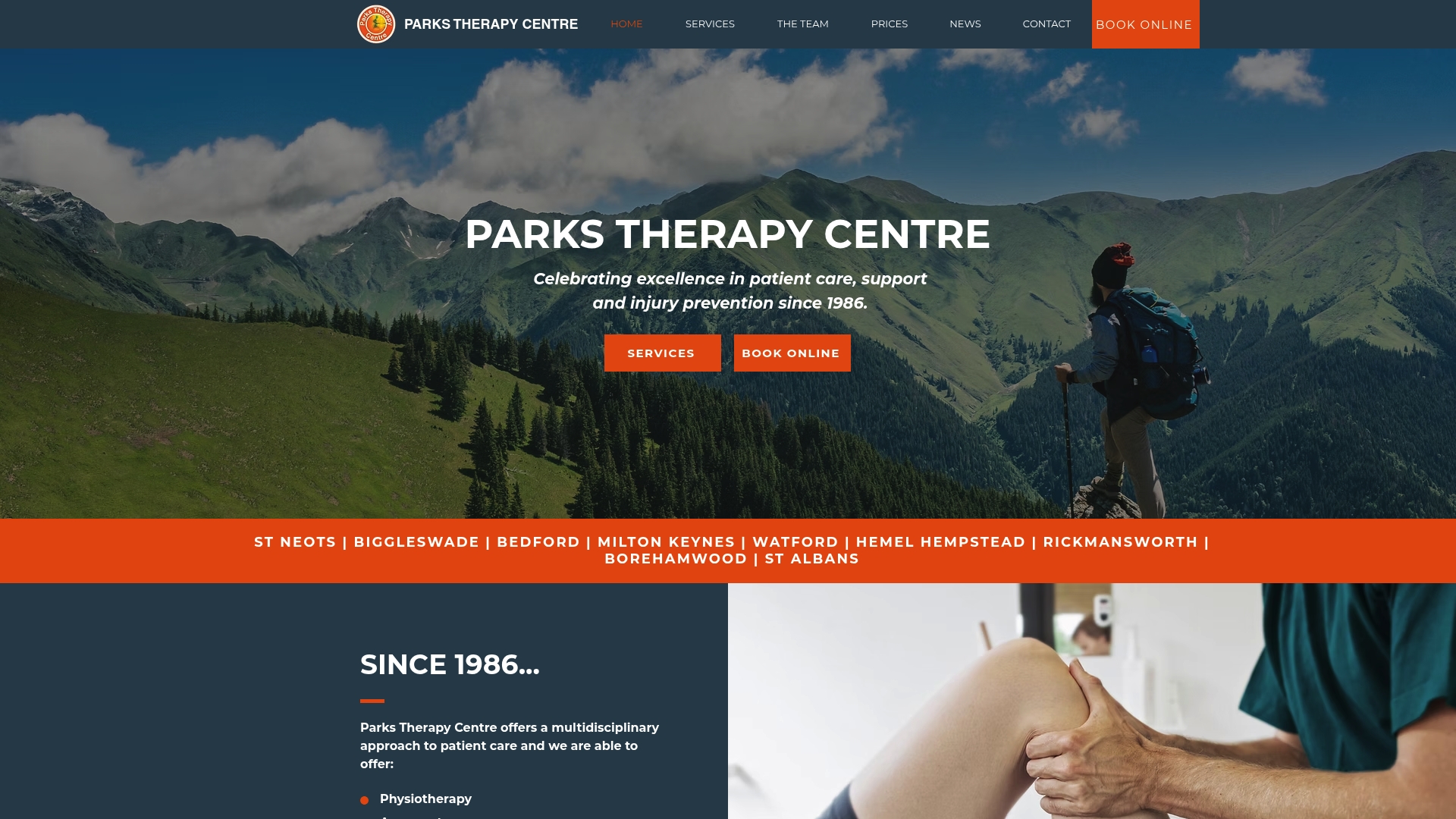
Whether you are recovering from surgery, managing a musculoskeletal condition, or seeking integrated support for persistent pain, Parkstherapycentre's multidisciplinary therapy services are designed to address every layer of your health. The team accepts most major insurance providers and offers online booking across all locations. Book a consultation today and find out what coordinated care actually feels like.
FAQ
What is a multidisciplinary therapy approach?
A multidisciplinary therapy approach is a model of care where specialists from different disciplines, such as physiotherapy, psychology, and dietetics, work together under a shared treatment plan to address multiple aspects of a patient's health simultaneously.
Why seek multidisciplinary therapy over seeing specialists separately?
Seeing specialists separately creates a risk of conflicting advice and fragmented care. A multidisciplinary team shares records, aligns goals, and coordinates interventions so that each session builds on the last rather than working in isolation.
What are the best examples of multidisciplinary rehabilitation approaches?
Post-surgery recovery programmes combining physiotherapy, occupational therapy, and dietetic support are among the strongest examples. Structured rehabilitation delivered three times weekly over eight weeks has demonstrated measurable improvements in functional status and patient satisfaction.
How does a multidisciplinary mental health team work?
A multidisciplinary mental health team typically includes a psychiatrist, psychologist, trauma-informed therapist, and social worker. They share one patient chart and treat co-occurring conditions concurrently, which reduces relapse rates compared to sequential, single-diagnosis treatment.
What should I ask a provider before starting multidisciplinary care?
Ask whether the team uses a shared patient record, how often case conferences are held, and whether all practitioners follow a common clinical framework such as the ICF. These three questions reveal whether care is genuinely integrated or simply parallel.