
Blog
Discover our latest articles and blogs
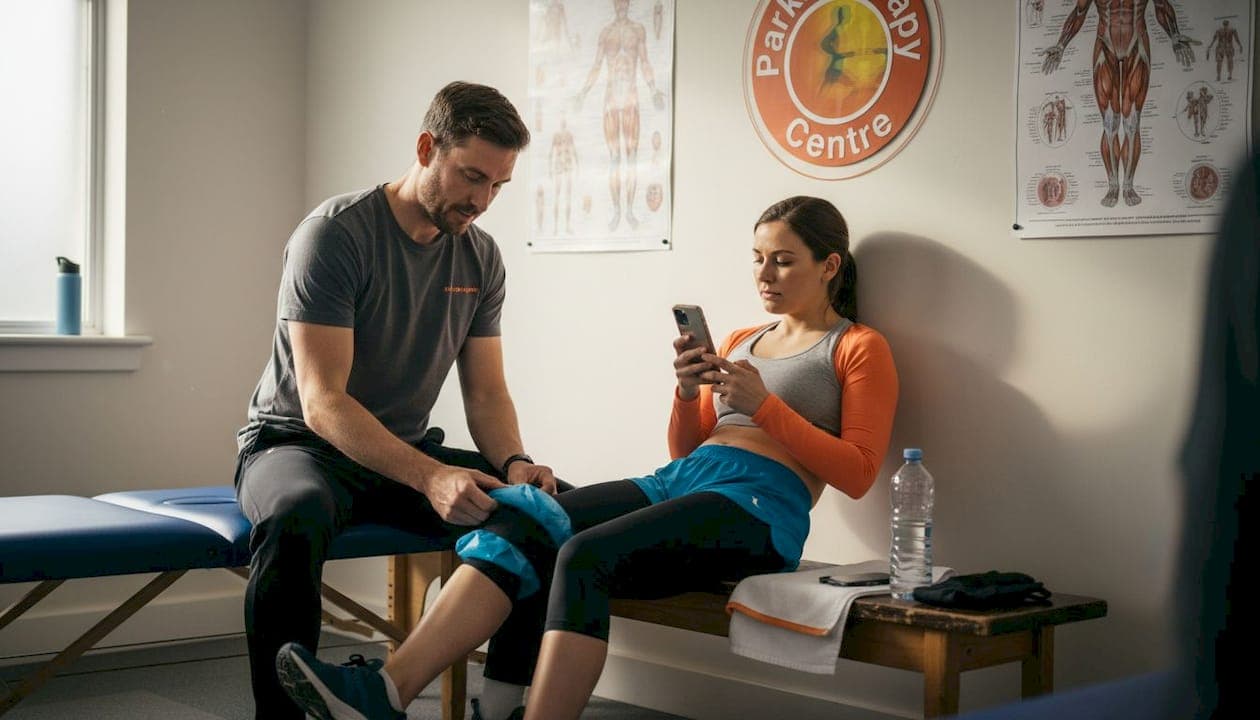
Does ice help injuries? What science says about sports recovery
Does ice actually help sports injuries? Discover what the latest research says about cryotherapy, the RICE protocol, and smarter recovery strategies.
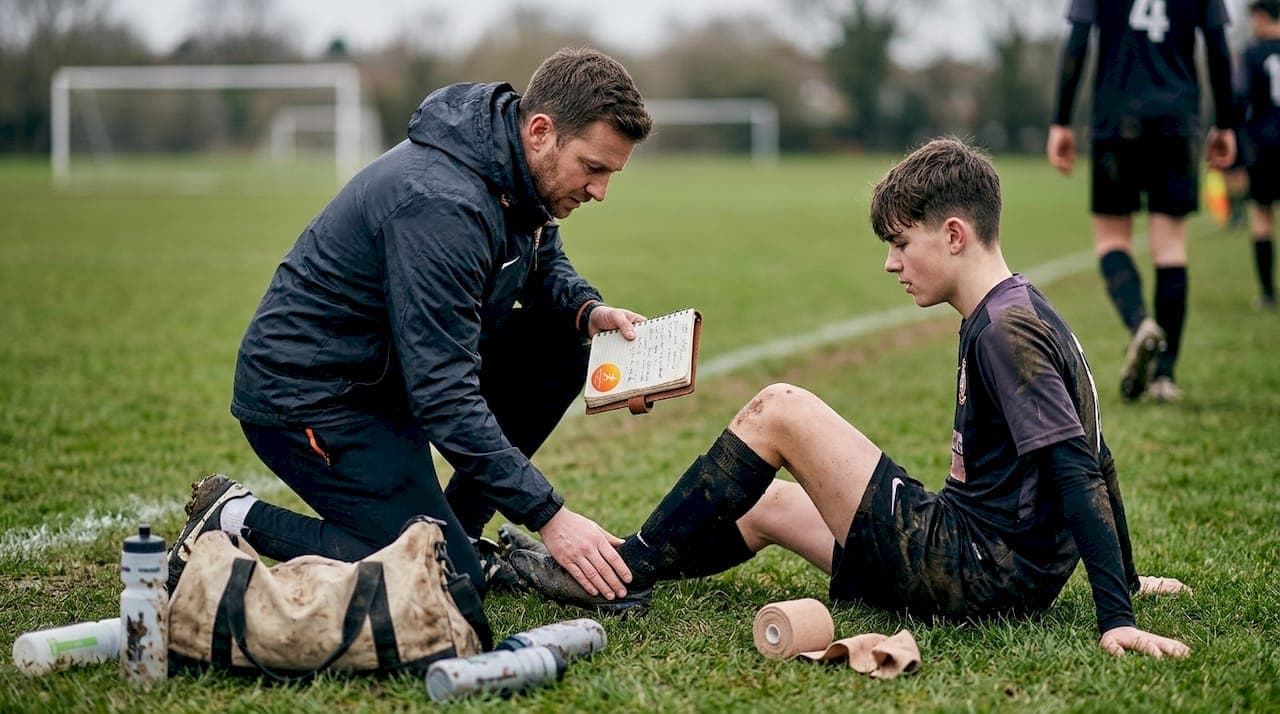
How to assess sports injuries: steps for safe recovery
Learn how to assess sports injuries step by step with evidence-based guidance on red flags, imaging decisions, and modern recovery principles for active people in Bedfordshire and Buckinghamshire.

Top 5 bdir.in Alternatives 2026
Discover 5 bdir.in alternatives for effective physiotherapy solutions. Compare options for enhanced health and wellness in 2026.
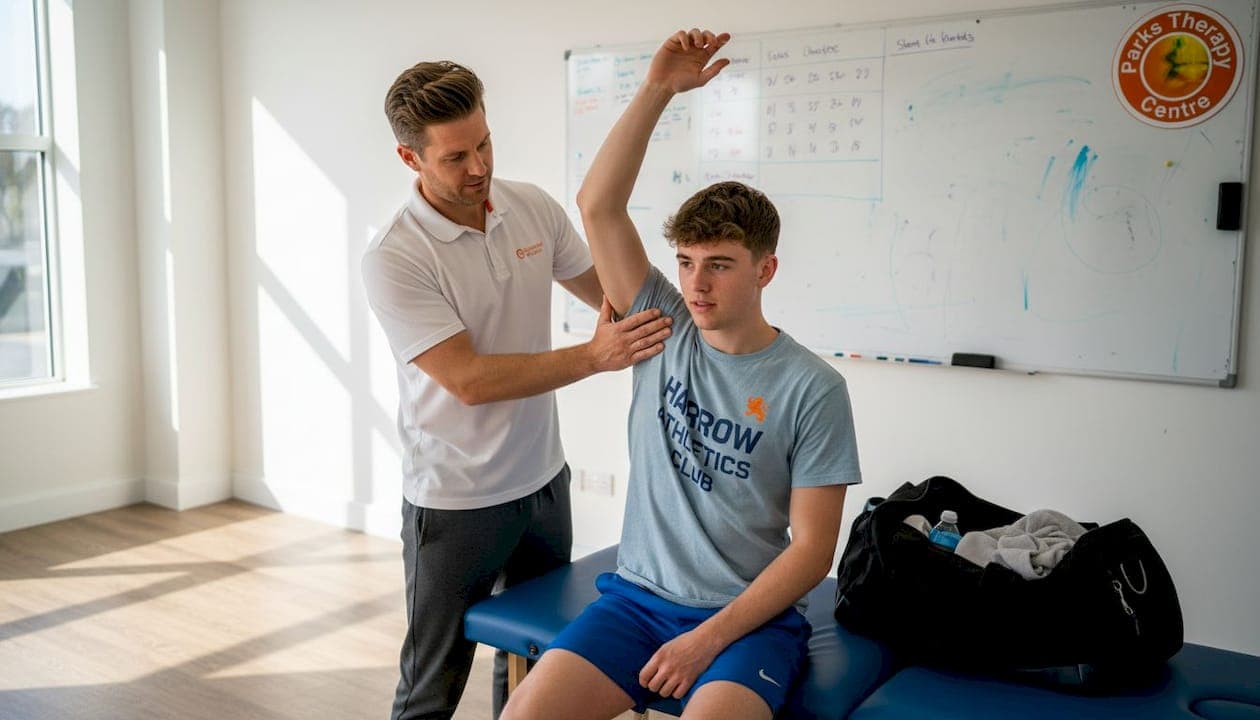
Sports therapy terminology guide for injury recovery
Master essential sports therapy terminology to improve injury management and recovery. Learn MEAT protocol, manual therapy techniques, and rehabilitation benchmarks for athletes.
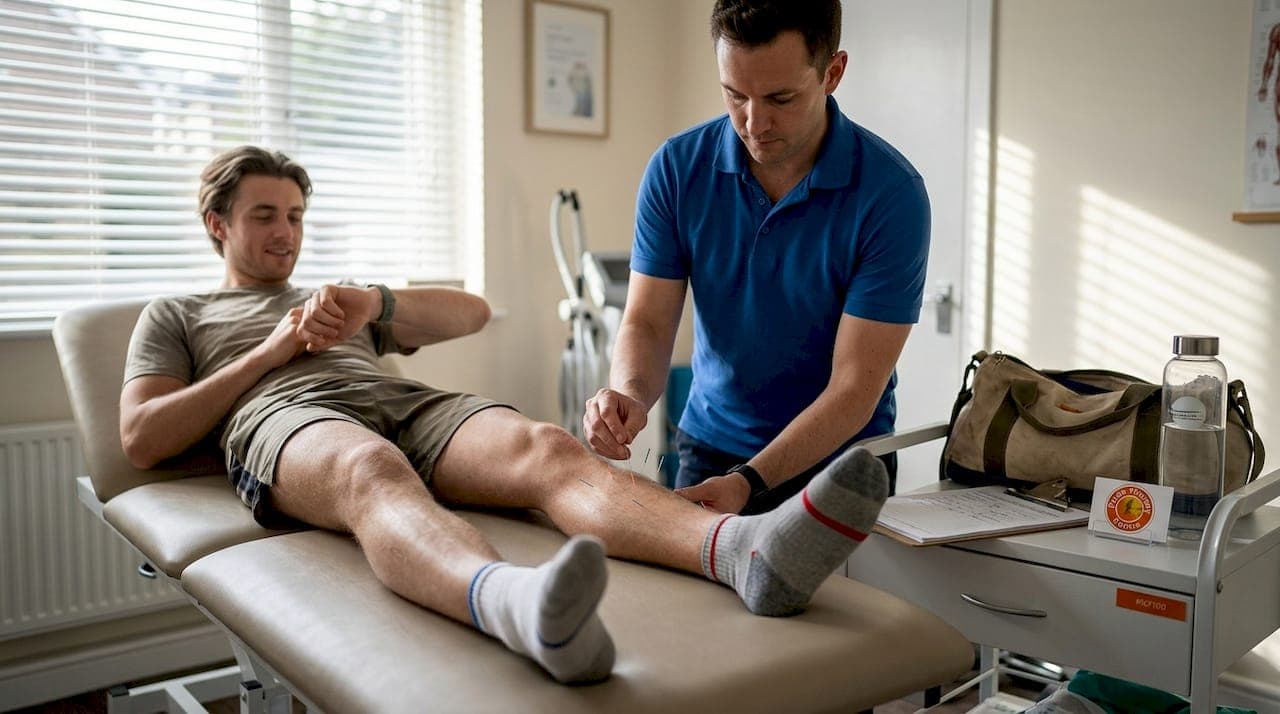
How acupuncture supports sports recovery for athletes
Discover how acupuncture aids athletic recovery with evidence on muscle soreness reduction, strength restoration, and practical integration with rehabilitation for Bedfordshire athletes.
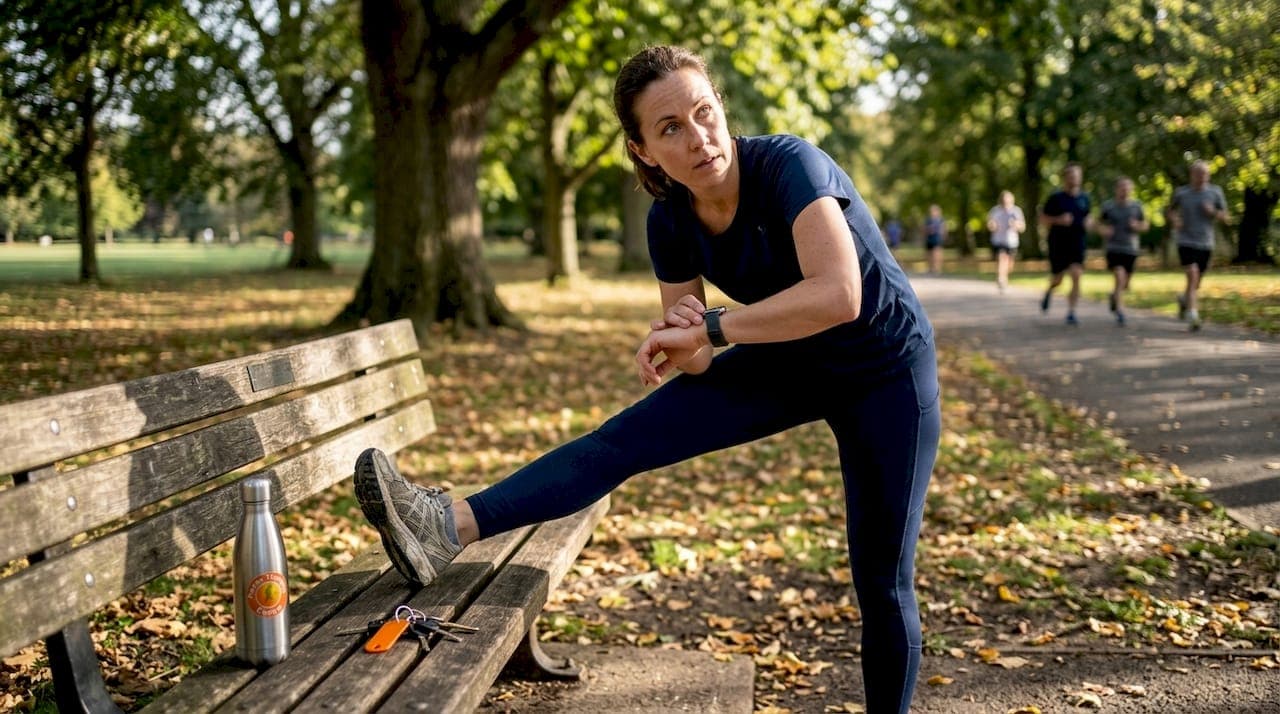
Step by step injury prevention guide for active adults
Discover five practical steps to prevent sports and musculoskeletal injuries. Expert guidance for active adults in Bedfordshire and Buckinghamshire to stay healthier.
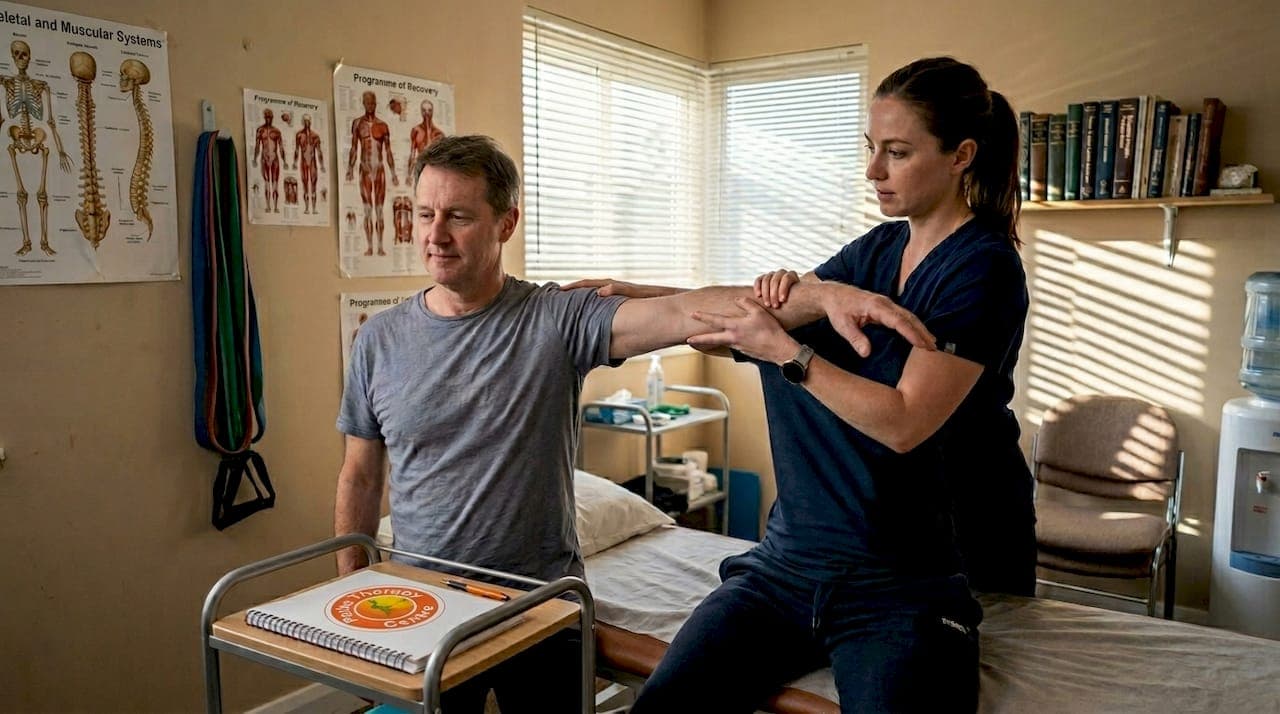
Why physiotherapy is essential for musculoskeletal disorders
Discover why physiotherapy is crucial for musculoskeletal disorders including chronic pain, sports injuries, and post-op recovery in Bedfordshire and Buckinghamshire.
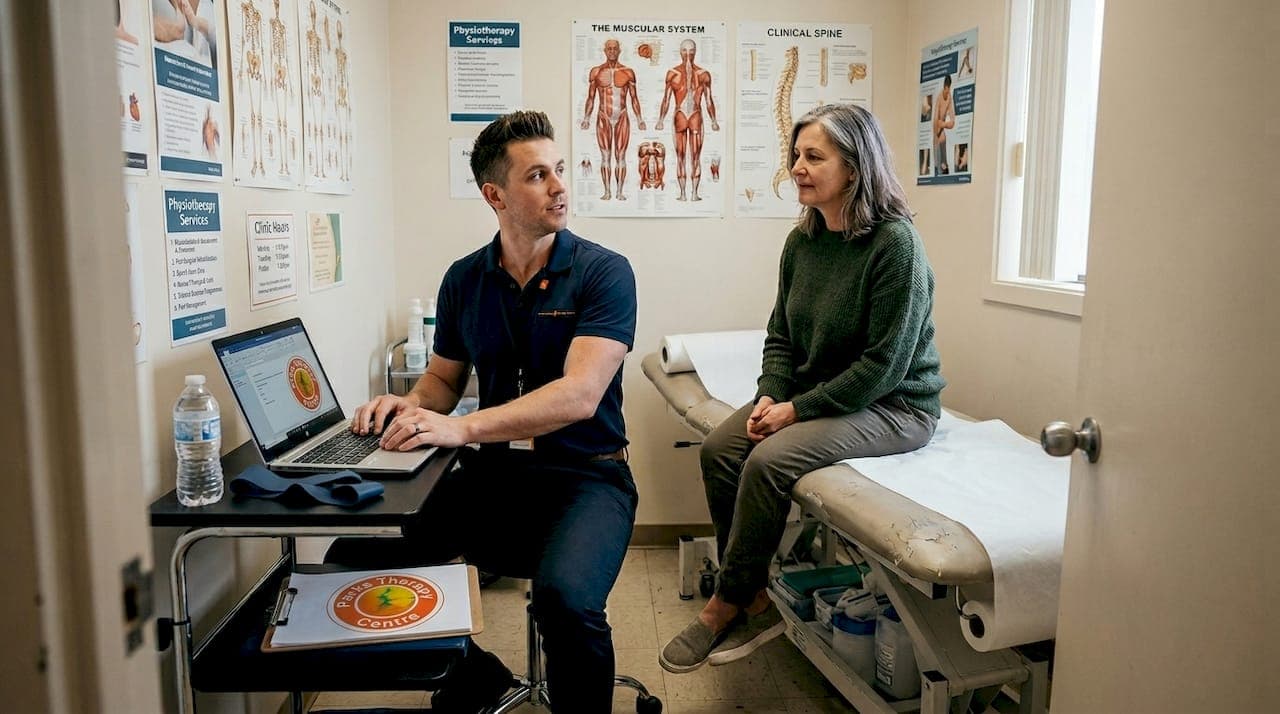
Physiotherapy terminology explained: guide for patients
Understand key physiotherapy terms for musculoskeletal and sports injuries. Clear explanations of strains, loading models, and modern rehab concepts for Beds and Bucks patients.
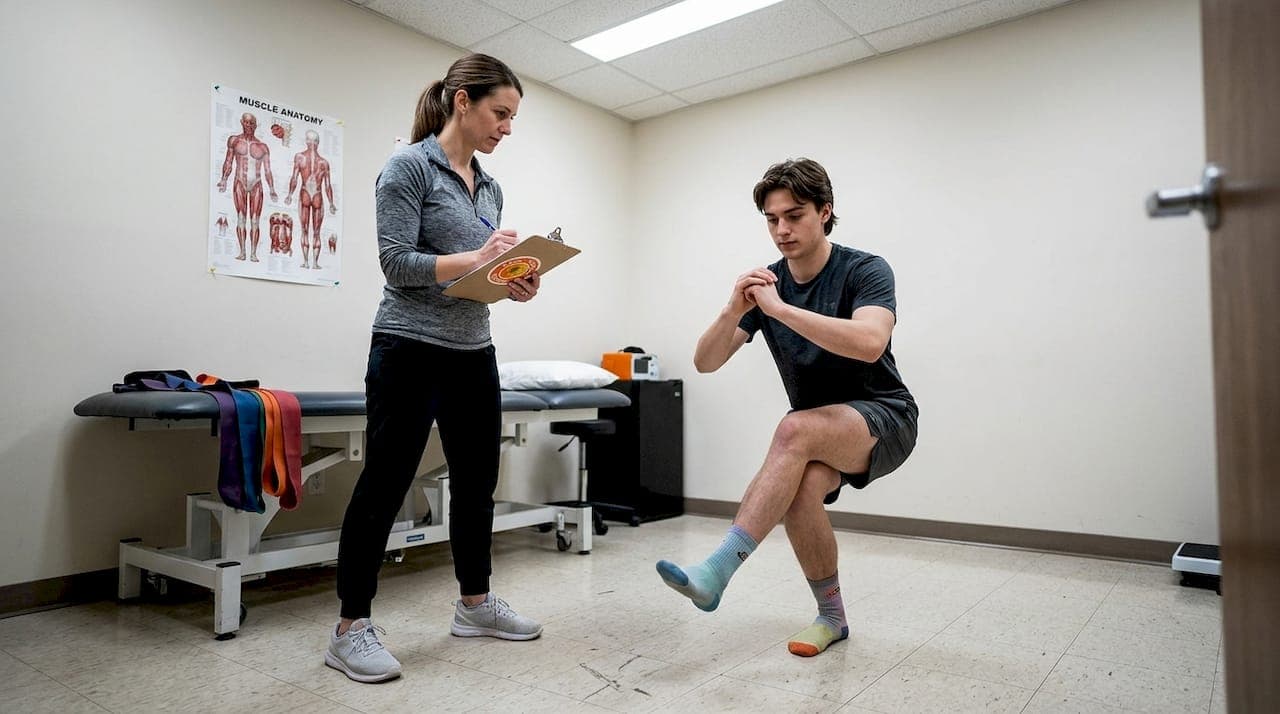
Role of physiotherapy in injury prevention: 35% risk cut
Discover how physiotherapy prevents injuries in active adults through biomechanical assessment, personalised programmes, and evidence-backed methods reducing risk by 35%.