
TL;DR:
- Most ankle ligament injuries are preventable through targeted neuromuscular and balance training.
- Consistent routines like balance drills and proper footwear significantly reduce injury risk.
- Early professional assessment and integrating prevention habits into daily activity ensure long-term ankle health.
Ankle ligament injuries are one of the most common setbacks for active people across Bedfordshire and Buckinghamshire, and the frustrating truth is that most of them are preventable. Whether you are sprinting across a football pitch in Bedford, running the trails around Aylesbury, or simply keeping fit at your local gym, your ankles absorb enormous forces with every step and turn. Getting injured does not have to be a matter of bad luck. With the right evidence-based strategies, covering training drills, smart equipment choices, and self-monitoring habits, you can dramatically reduce your risk and keep doing the activities you love.
Table of Contents
- Understand your risk: why ankle ligament injuries happen
- Core prevention strategies: balance, strength, and training routines
- Support your ankles: bracing, taping, and proper footwear
- Monitor your progress: listening to your body and adjusting your routine
- Our take: why prevention works best when it becomes routine
- Get professional support for your ankle health
- Frequently asked questions
Key Takeaways
| Point | Details |
|---|---|
| Balance training works | Exercises that improve balance, such as wobble boards and one-leg stands, significantly lower your risk of ankle ligament injuries. |
| Bracing prevents recurrence | Using ankle braces or tape offers strong, proven protection against repeat injuries in high-risk activities. |
| Consistency is key | Regularly following a prevention routine offers far better long-term results than occasional or reactive efforts. |
| Listen to early signs | Persistent ankle pain or swelling after activity signals the need to pause, reassess, and seek expert advice if needed. |
Understand your risk: why ankle ligament injuries happen
The ankle joint relies on a network of ligaments, tough bands of fibrous tissue, to hold the bones together and control movement. During sport or uneven terrain walking, these ligaments can stretch or tear when the foot rolls inward (an inversion sprain) or outward. Understanding why this happens is the first step toward meaningful sports injury prevention.
Several key risk factors increase your likelihood of sustaining an ankle ligament injury:
- Previous ankle sprains: A history of sprains is the single biggest predictor of future injury. Once the ligaments stretch, they do not always recover their original stiffness.
- Sports with cutting and jumping: Football, basketball, netball, and trail running all place high demands on lateral ankle stability.
- Poor neuromuscular control: The ability of your muscles to respond quickly to ground surface changes is called proprioception. When this is weak, your ankle cannot self-correct during unpredictable movements.
- Chronic ankle instability (CAI): This is the term for ongoing feelings of "giving way" in the ankle, often following repeated sprains that were not fully rehabilitated.
- Inadequate warmup and cool-down: Skipping preparation leaves muscles and connective tissues less responsive during sudden load changes.
The role of neuromuscular control in ankle injury prevention is well established. Balance training reduces injury rate by 42% when applied consistently, making it one of the most powerful tools available to any active person. If your ankle has ever rolled unexpectedly, or if you feel less confident on uneven ground, these are early warning signs of compromised proprioception worth addressing now.
Chronic ankle instability develops in up to 40% of people who suffer an initial lateral ankle sprain. Treating the first injury properly, and completing a structured recovery, is essential to breaking this cycle before it becomes a long-term problem.
Recognising where you sit on this risk spectrum is crucial. Once you understand your vulnerabilities, you can target your prevention efforts with far greater precision. That is exactly what the injury prevention importance framework is built around: matching the right interventions to the right risk profile.
Core prevention strategies: balance, strength, and training routines
With risk factors clearly in view, it is time to act. The good news is that evidence-backed prevention routines are accessible, do not require specialist equipment, and can slot into your existing training week with minimal disruption.
Here is a practical step-by-step approach to building ankle resilience:
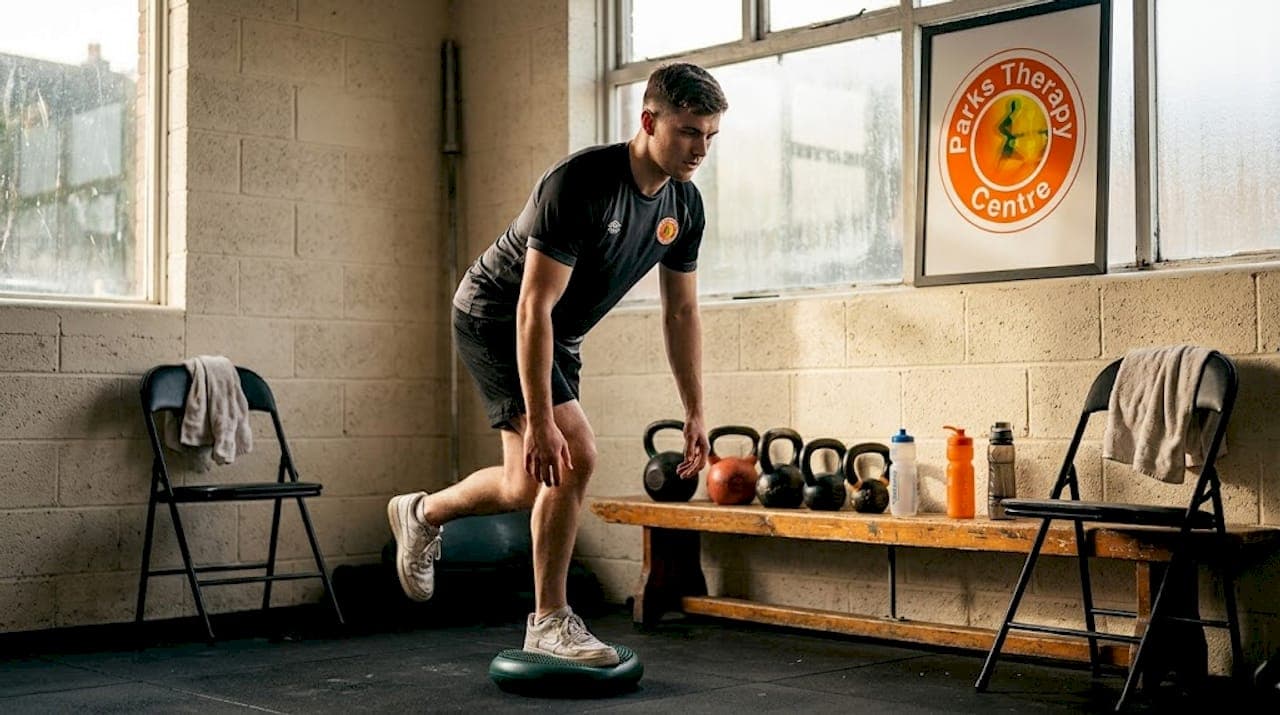
- Single-leg balance drills: Stand on one leg for 30 to 60 seconds, progressing to eyes closed or on an unstable surface like a foam pad. This directly trains the proprioceptive pathways that protect your ankle.
- Wobble board exercises: Using a balance or wobble board for 10 minutes, three times per week, challenges the stabilising muscles around the ankle and lower leg in a way flat-ground training simply cannot replicate.
- Calf raises and eccentric loading: Slow, controlled calf raises, particularly the eccentric (lowering) phase, strengthen the soleus and gastrocnemius muscles that support the ankle joint from above.
- Lateral band walks: Using a resistance band around the ankles and stepping sideways activates the peroneal muscles, which are the primary protectors against the inward rolling motion that causes most sprains.
- Plyometric progression: Once basic strength and balance are established, adding controlled jumping and landing drills builds the reactive speed that your ankles need in sport.
- FIFA 11+ integration: This structured neuromuscular warmup programme, originally designed for football but applicable across sports, reduces ankle injuries by 32 to 33% when completed at least twice weekly.
The sequence matters here. Progressive balance and strength programmes should be prioritised over isolated strengthening alone because the ankle does not fail in isolation. It fails in the context of movement, so your training must reflect that complexity.
Pro Tip: If you only have five minutes before a training session, use them for single-leg balance work rather than a static quad stretch. Dynamic ankle stabilisation drills done consistently produce far greater injury-reduction benefits than passive stretching at the start of a workout.
For a structured breakdown of how to sequence these drills across your training week, the injury prevention step-by-step guide is a useful reference point. And if you also engage in running or court sports that stress the knees, pairing ankle prevention with knee injury prevention strategies makes your overall programme even more robust.
Key statistic: Athletes who complete structured neuromuscular training programmes at least twice per week show injury rate reductions consistently above 30%, across multiple sports and fitness levels.
Support your ankles: bracing, taping, and proper footwear
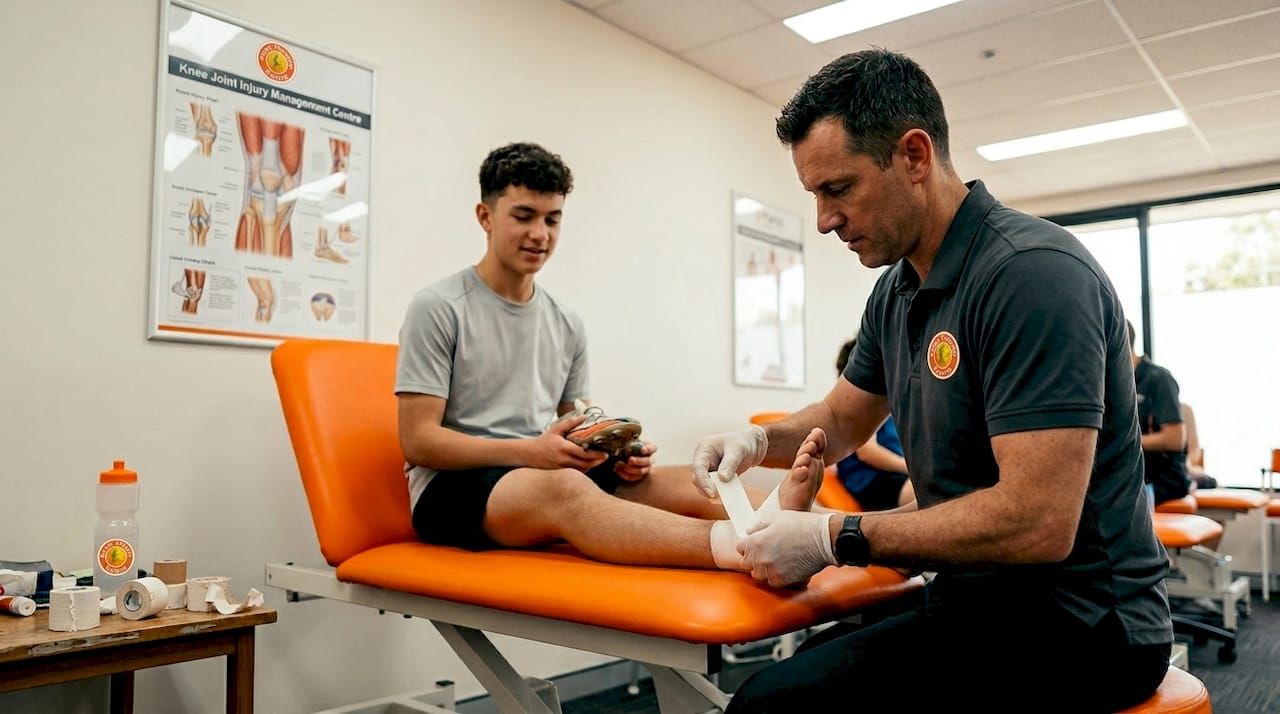
Training your ankle from the inside out is the foundation, but external support adds another layer of protection, particularly during high-risk activities or when returning from a previous injury. Understanding the options helps you choose the right tool for the right situation.
| Support type | Best use case | Ease of application | Duration of effectiveness | Cost over time |
|---|---|---|---|---|
| Lace-up ankle brace | High-impact sport, CAI history | Easy, self-applied | Full session | Low (reusable) |
| Rigid ankle brace | Post-injury return to sport | Moderate | Full session | Low (reusable) |
| Athletic taping | Competition, specific events | Requires skill or professional | 1 to 2 hours | Higher (single-use) |
| Compression sleeve | Light activity, mild swelling | Very easy | Full day | Low (reusable) |
Bracing and taping both provide external support and reduce injury risk, particularly for individuals with a history of previous sprains. Research consistently shows bracing performs well for functional stability over extended periods, while taping can lose up to 50% of its mechanical support after 20 to 30 minutes of exercise due to perspiration and material fatigue.
Key things to look for when choosing footwear for ankle protection:
- Heel counter firmness: A rigid heel counter prevents excessive inward rolling at contact.
- Lateral sole grip: Adequate grip stops the foot slipping on artificial or wet surfaces, a common cause of sudden ankle stress.
- Midfoot support: Shoes with good arch support reduce the compensatory movements that increase lateral ankle loading.
- Fit across the midfoot: A shoe that is too wide allows the foot to slide internally during cutting movements.
- Sport-specific design: Trail running shoes for off-road terrain, court shoes for lateral movements, and football boots with appropriate stud configuration for the playing surface.
Pro Tip: Replace your training shoes every 500 to 600 kilometres, or every six months for frequent users. The cushioning and stability features degrade invisibly long before the outsole wears through, meaning your shoes may look fine but no longer provide the support they once did.
The physiotherapy role in prevention extends to advising on the most appropriate bracing and footwear choices for your specific activity and injury history. If you are unsure which combination suits your situation, a brief assessment from a physiotherapist can save you significant time and money by pointing you toward the right solution immediately. Pairing ankle support strategies with Achilles injury prevention measures also makes sense, because the two structures are mechanically interdependent.
Monitor your progress: listening to your body and adjusting your routine
Prevention is not a one-time effort. It requires ongoing awareness and a willingness to adapt. Once your bracing, footwear, and training routines are in place, the next layer of protection comes from consistent self-monitoring.
The following warning signs should prompt you to reduce training load or seek professional input:
- Recurring swelling around the ankle joint after exercise, even without a specific incident
- Pain or aching that persists more than 24 hours after activity
- A sensation of the ankle "giving way" or feeling unreliable during routine movements
- Reduced range of motion compared to the other ankle, particularly in dorsiflexion (pulling the foot upward)
- Compensatory pain in the knee, hip, or lower back, which can develop when ankle mechanics are compromised
| Self-assessment check | Frequency | What to look for |
|---|---|---|
| Single-leg balance test | Weekly | Can you hold 30 seconds each side equally? |
| Ankle swelling check | After each session | Any puffiness compared to the other ankle? |
| Range of motion comparison | Fortnightly | Equal dorsiflexion and plantarflexion both sides? |
| Pain log | Ongoing | Any pattern of post-exercise aching? |
Prevention programmes consistently reduce recurrence by 30 to 40%, but this benefit only materialises when individuals pay close attention to persistent pain signals and act on them promptly rather than pushing through discomfort.
Injury prevention is not purely about what you do in training. It is equally about what you notice during recovery. The most effective athletes treat rest, self-assessment, and adaptation as core training elements, not optional extras.
For safer performance tips that cover monitoring strategies across a range of sports and activity types, building a habit of weekly self-checks into your routine is a great starting point. If you are managing a team or training group, structured sports injury patient management approaches provide a useful framework for tracking progress across multiple individuals simultaneously.
Consistency and patience are the factors most commonly underestimated. Ankle resilience builds gradually over months, not weeks. Expecting dramatic results from two or three sessions is unrealistic. Expecting meaningful long-term change from two or three months of regular practice is entirely reasonable.
Our take: why prevention works best when it becomes routine
After nearly four decades of helping active people across Bedfordshire and Buckinghamshire, we have noticed a consistent pattern. Patients who achieve long-term freedom from ankle problems are rarely those who followed a prescribed programme for six weeks and then stopped. They are the ones who absorbed specific exercises into their normal warmup and simply never stopped doing them.
The prevailing instinct after an ankle sprain is to rest, recover, and return to sport as quickly as possible. This is understandable. But without addressing the underlying neuromuscular deficit that likely contributed to the injury in the first place, the risk of re-injury remains stubbornly high. Neuromuscular and balance training matter most for preventing repeat injuries, not isolated strength work done for a few weeks and then abandoned.
What we see working in practice is almost mundane in its simplicity: a five-minute balance routine before every session, worn-in supportive footwear chosen with actual advice rather than marketing, and the habit of honestly recording how the ankle feels in the days after sport. That is it. No special technology. No complicated protocols.
The harder part is cultural. Many athletes, particularly those in team sports, feel pressure to appear fully fit rather than communicate discomfort. This is where real relapse risk lives. Building a habit of honest self-reporting, either to a coach, a training partner, or a clinician, is often the missing ingredient. For those seeking additional perspectives on sustaining these habits, related prevention tips around adjacent injury types can reinforce the same principles in a broader context.
Prevention is not a phase of treatment. It is a permanent change in how you approach your body during sport.
Get professional support for your ankle health
If you want to move beyond general guidance and get a prevention plan built specifically around your sport, history, and body mechanics, our team at Parks Therapy Centre can help.
Our physiotherapists carry out detailed ankle assessments, identify your specific risk factors, and create structured programmes that fit around your training schedule. Whether you are dealing with a nagging old sprain, managing chronic ankle instability, or simply want to stay injury-free across a long season, we have been supporting active people across Bedfordshire and Buckinghamshire since 1986. If persistent pain or instability is a concern, early expert assessment makes a significant difference to outcomes. Visit Parks Therapy Centre to book an assessment and take the guesswork out of keeping your ankles strong.
Frequently asked questions
What exercises are best for ankle ligament injury prevention?
Balance training such as single-leg stands and structured programmes like FIFA 11+ are the most effective, with research showing FIFA 11+ reduces ankle injuries by 32 to 33% when done consistently.
Should I wear an ankle brace or use tape for sports?
Both options provide effective support, but braces tend to be more practical for regular training use since bracing outperforms tape in several functional outcomes over extended activity periods.
How often should I do ankle injury prevention routines?
Completing prevention exercises at least twice weekly delivers the strongest results, as FIFA 11+ done twice weekly consistently produces clinically meaningful reductions in injury risk.
When should I seek professional advice after an ankle injury?
Seek professional assessment if you experience pain, swelling, or instability that persists beyond a few days, since acting on pain signals early significantly reduces the risk of progressing to chronic ankle instability.