
TL;DR:
- Many people with chronic musculoskeletal pain find significant relief through sports massage, which targets soft tissues. It reduces pain, soreness, and aids recovery, especially when combined with other therapies like physiotherapy and exercise. However, sports massage is not a cure-all and works best as part of a comprehensive, evidence-based recovery plan.
Musculoskeletal pain affects a significant portion of the population, yet many people in Bedfordshire and Buckinghamshire still rely on rest alone and hope the problem resolves itself. Sports massage is frequently misunderstood, dismissed as a luxury treat or, at the other extreme, credited with almost magical healing powers. Neither view is accurate. Research shows up to 68% of people with chronic musculoskeletal conditions report meaningful benefit from massage therapy, and understanding precisely what it can and cannot do is the first step towards using it effectively for your recovery.
Table of Contents
- What is sports massage and who benefits?
- Proven benefits of sports massage: What the evidence says
- Mechanisms: How does sports massage work?
- Limits and misconceptions: What sports massage does not do
- Best practices: Getting the most from your sports massage
- The real impact of sports massage: A fresh perspective
- Find effective sports massage in Bedfordshire and Buckinghamshire
- Frequently asked questions
Key Takeaways
| Point | Details |
|---|---|
| Effective pain relief | Sports massage reliably reduces pain and DOMS for most people with injuries or musculoskeletal issues. |
| Enhanced recovery | Combining massage with exercise and rehabilitation improves range of motion and speeds recovery. |
| Know the limits | Sports massage does not directly boost long-term performance or prevent all injuries. |
| Optimal timing matters | The biggest benefits come from well-timed sessions and coordination with qualified therapies. |
What is sports massage and who benefits?
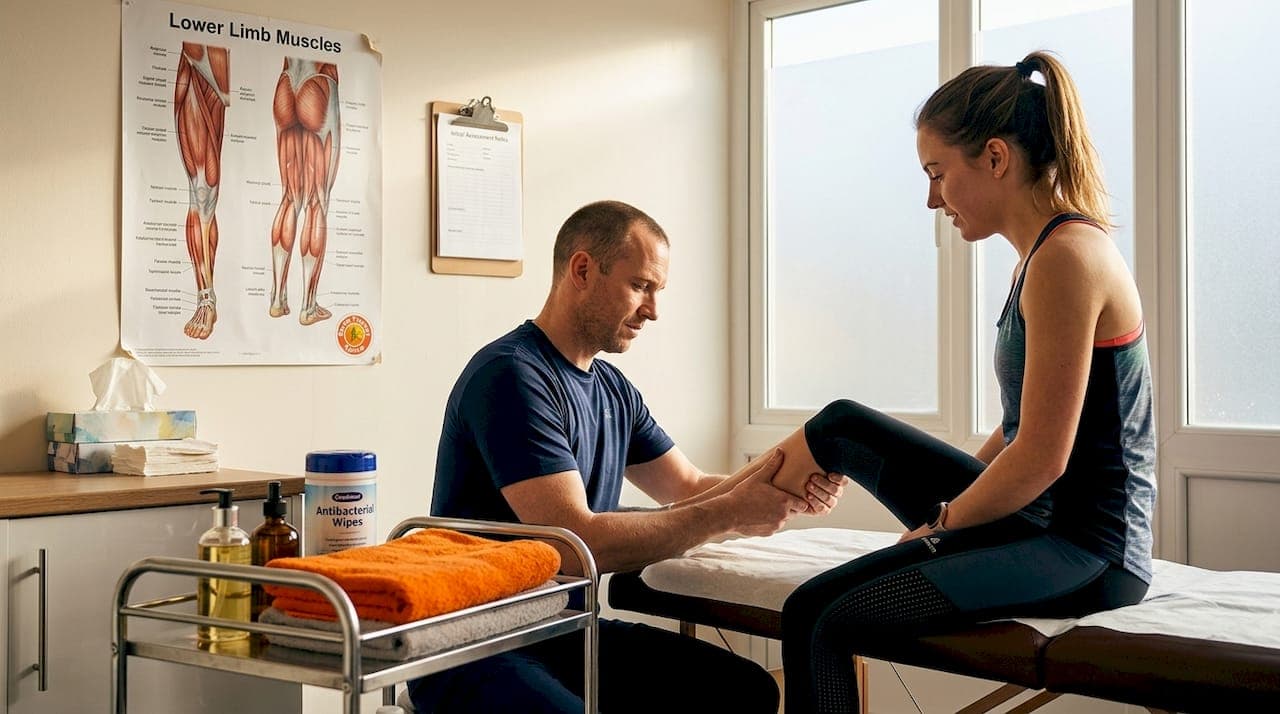
Sports massage is a targeted, hands-on therapy that works directly on soft tissues, including muscles, tendons, ligaments, and fascia (the connective tissue that wraps around muscles). Unlike a relaxation massage, it uses specific techniques such as deep tissue work, myofascial release, trigger point therapy, passive stretching, and joint mobilisation. Each technique serves a different purpose, and a skilled therapist will combine them based on your specific complaint and stage of recovery.
One of the most persistent myths is that sports massage is only for elite athletes. In reality, the people who benefit most include:
- Recreational runners, cyclists, and gym-goers dealing with overuse injuries or post-training soreness
- Office workers suffering from chronic neck, shoulder, or lower back tension from prolonged sitting
- People recovering from acute sports injuries such as muscle strains, ligament sprains, or tendinopathy
- Individuals with chronic musculoskeletal pain, including conditions like fibromyalgia or persistent lower back pain
- Post-surgical rehabilitation patients working alongside physiotherapy to restore tissue mobility
Understanding sports therapy terms can help you have a much more productive conversation with your therapist about what approach suits your situation. The prevalence among people with chronic pain reaching up to 68% tells us clearly that sports massage has moved well beyond the sports field and into everyday healthcare.
Proven benefits of sports massage: What the evidence says
The evidence base for sports massage has grown considerably over the past decade. Research now gives us a clearer picture of where it genuinely helps and how significant those benefits are.
Pain reduction and DOMS
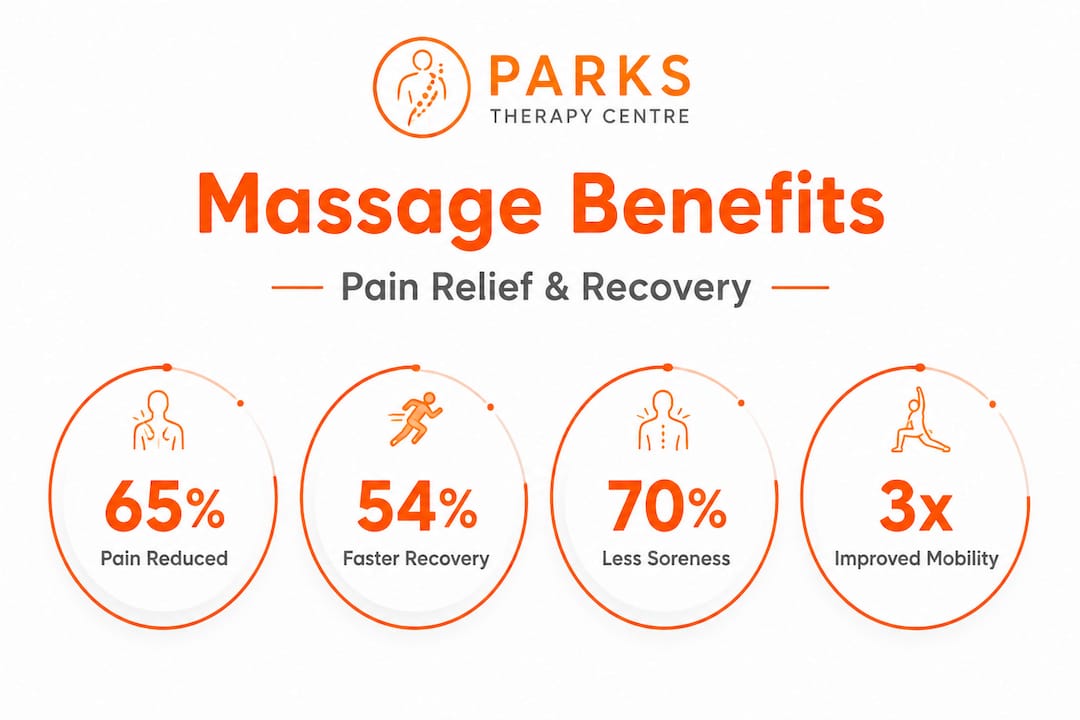
One of the most robust findings is that sports massage reduces pain and delayed onset muscle soreness (DOMS), the stiffness and aching that typically peaks 24 to 48 hours after intense exercise. For anyone training regularly or returning to activity after a period of inactivity, this is practically significant. Less soreness means better adherence to training and rehabilitation programmes.
Recovery from repetitive loading
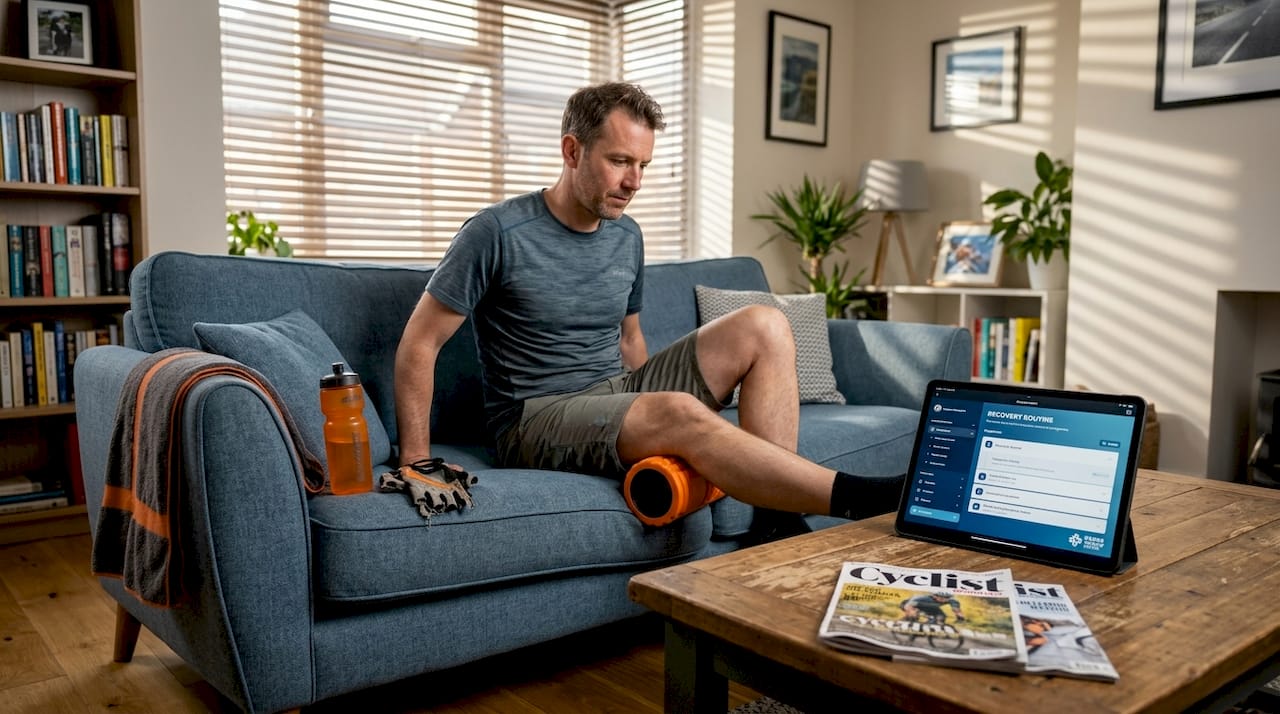
Moderate evidence from RCTs (randomised controlled trials, the gold standard in research) supports sports massage for recovery from repetitive muscle contractions. This is directly relevant to runners, cyclists, swimmers, and anyone doing high-volume resistance training.
| Benefit | Strength of evidence | Timeframe |
|---|---|---|
| Reduced DOMS | Strong | Short term (24-72 hours) |
| Lower perceived pain scores | Moderate to strong | Short to medium term |
| Improved range of movement | Moderate | Short term |
| Reduced muscle tension | Moderate | Short term |
| Performance enhancement | Weak to none | Not established |
"Sports massage is most clearly supported for its role in reducing pain perception and soreness, making it a valuable tool in recovery-focused care rather than purely performance-focused training."
The distinction between short-term and longer-term benefits matters. Most of the measurable gains, such as reduced pain scores and improved perceived recovery, are most pronounced in the days immediately following treatment. This is why session timing and frequency are so important, a point we will return to in the best practices section.
For those managing more complex injuries, pairing sports massage with acupuncture and recovery protocols can amplify results, particularly where nerve sensitivity or referred pain is involved. Reviewing sports therapy outcomes more broadly also helps set realistic goals from the outset.
Mechanisms: How does sports massage work?
Knowing that sports massage works is useful. Understanding why it works helps you use it more intelligently and spot when a therapist is applying the right technique for your specific problem.
There are three primary mechanisms:
- Mechanical effects: Direct pressure and movement on tissue breaks down adhesions (areas where tissue has stuck together), improves the alignment of collagen fibres during healing, and increases the extensibility of muscle and fascia.
- Neurological effects: The pain gate theory explains how sensory input from massage can interrupt or reduce pain signals travelling to the brain. Massage also stimulates the release of endorphins and reduces activity in the sympathetic nervous system (the "fight or flight" system), promoting a calmer, less pain-sensitised state.
- Circulatory effects: Sports massage enhances recovery by increasing local blood flow, reducing muscle tension, and helping the body remove metabolic byproducts such as lactic acid more efficiently after exercise.
The mechanical, neurological, and circulatory mechanisms work together rather than in isolation. During a session, you typically experience the neurological effects first (a reduction in perceived pain and tension), followed by circulatory benefits over the next several hours, and mechanical improvements that accumulate over multiple sessions.
When not to use sports massage
Sports massage is not appropriate in all situations. Avoid it in these circumstances:
- Acute inflammation: Applying deep pressure to a freshly injured, swollen area can worsen tissue damage
- Suspected deep vein thrombosis (DVT): Massage over a clot is dangerous and could cause it to move
- Open wounds, skin infections, or rashes: Risk of spreading infection or worsening the condition
- Undiagnosed lumps or swellings: Always get these assessed medically first
Understanding how to approach managing sports injuries safely means knowing when to refer on and when hands-on therapy is appropriate.
| Situation | Sports massage appropriate? |
|---|---|
| Post-acute muscle strain (48+ hours) | Yes |
| Chronic lower back pain | Yes |
| Acute ankle sprain (0-24 hours) | No |
| Suspected DVT | No |
| Post-surgical scar tissue (healed) | Yes, with guidance |
Pro Tip: If you have been using a percussive massage device (such as a massage gun) at home, these can be a useful adjunct between professional sessions, but they do not replicate the diagnostic and adaptive skill of a qualified therapist. Use them for general muscle maintenance, not for treating specific injuries.
Limits and misconceptions: What sports massage does not do
Honest expectation management is one of the most important things a good therapist can offer. Sports massage is a powerful tool, but it is not a cure for everything, and some of its popular claims simply do not hold up under scrutiny.
What the evidence does not support
- Direct performance enhancement: Limited performance enhancement has been found in research. If you are hoping a pre-event massage will make you faster or stronger, the evidence does not back this up.
- Long-term injury prevention: There is no strong evidence that regular massage alone prevents injuries. It is not a substitute for proper training load management, strength work, and technique correction.
- Structural correction: Sports massage cannot realign bones, fix disc herniations, or permanently change posture on its own.
- Replacing rehabilitation: Massage is an adjunct to exercise-based rehab, not a replacement for it.
"Massage is effective for DOMS, pain, and range of movement, but inconsistent for strength and power outcomes. Its benefits are largely perceptual and short-term."
This is not a reason to avoid sports massage. It is a reason to use it strategically. Combining it with exercise, physiotherapy, and other evidence-based approaches produces far better results than relying on it alone. For example, understanding whether ice helps injuries is another area where popular belief and current evidence often diverge, and the same critical thinking applies to massage.
The most common misconception we encounter is the idea that "more pressure equals more benefit." Deep, painful massage is not inherently more effective. In fact, excessive pressure can trigger protective muscle guarding, which is the opposite of what you want during recovery.
Best practices: Getting the most from your sports massage
Once you understand what sports massage can realistically achieve, the next step is making sure you are applying it in the most effective way possible. Timing, frequency, and integration with other therapies all make a significant difference.
Timing and frequency
Research supports 15 to 30 minute sessions at a frequency of 2 to 3 times per week during the acute recovery phase. For chronic pain management, weekly or fortnightly sessions are more typical. Post-exercise massage is most beneficial when timed within 24 to 72 hours of intense activity. Avoid deep tissue work immediately before competition or a demanding training session, as it can temporarily reduce muscle activation.
Here is a practical protocol to follow:
- Identify your goal: Are you recovering from an acute injury, managing chronic pain, or supporting a training programme? Each requires a different approach.
- Time your sessions correctly: Post-exercise or during a recovery day for training support; during the sub-acute phase (48 hours plus) for injury recovery.
- Combine with active rehabilitation: Optimal results in chronic pain come from pairing massage with exercise-based rehab, not using it in isolation.
- Communicate with your therapist: Tell them what changed since your last session, what aggravates your symptoms, and what has improved.
- Reassess regularly: If you are not noticing any change after four to six sessions, it is worth discussing whether a different approach or additional assessment is needed.
Qualified therapists integrating massage with physiotherapy produce consistently better outcomes for sports injuries and chronic musculoskeletal pain than massage in isolation. This is especially important for residents of Bedfordshire and Buckinghamshire, where access to multidisciplinary care means you do not have to choose between different types of treatment.
Complementary approaches such as injury assessment steps and Pilates in rehabilitation work particularly well alongside regular sports massage for longer-term recovery goals.
Pro Tip: Keep a simple symptom diary between sessions. Note your pain levels, what activities you managed, and how long any relief lasted after each massage. This gives your therapist genuinely useful data and helps you both track whether the treatment is working.
The real impact of sports massage: A fresh perspective
After nearly four decades of working with patients across Bedfordshire and Buckinghamshire, we have noticed something that the research papers rarely capture. The ritual of hands-on care matters enormously. When a patient lies on the treatment table and feels a skilled, attentive therapist working through a problem area with genuine focus, something shifts beyond the purely mechanical. Pain science increasingly recognises that the therapeutic relationship, the sense of being cared for and listened to, contributes meaningfully to outcomes. This is not a weakness in the evidence. It is part of the evidence.
The patients who get the most from sports massage are not those who book a single session expecting a cure. They are the ones who treat it as one component of a broader plan. They do their exercises between sessions. They ask questions. They adjust their training loads. Sports massage, used this way, becomes a powerful reset that keeps the rest of the rehabilitation programme on track.
We have also seen the downside. Patients who rely solely on massage, returning week after week without making any changes to the underlying causes of their pain, often plateau quickly. Worse, some develop a dependency on the temporary relief without ever addressing the root problem. A good therapist will tell you honestly when you need to progress beyond massage and into active rehabilitation.
Locally, we find that combining sports massage with acupuncture for recovery works particularly well for patients with persistent pain sensitivity or where nerve-related symptoms are present alongside muscle tension. The combination addresses both the tissue and the nervous system, which is often where chronic pain lives.
The uncomfortable truth is that no single therapy, however well-evidenced, works in isolation. Sports massage is most transformative when it is part of a plan, not the whole plan.
Find effective sports massage in Bedfordshire and Buckinghamshire
If this article has helped you see sports massage more clearly, the next practical step is finding a qualified therapist who applies it as part of an evidence-based, integrated approach to your care.
At The Parks Therapy Centre, our team of experienced therapists has been delivering sports massage alongside physiotherapy, acupuncture, and podiatry across Bedfordshire and Buckinghamshire since 1986. We work with recreational athletes, office workers, and people managing chronic pain, tailoring each session to your specific needs and recovery goals. Our practitioners hold recognised professional qualifications, and we accept most major insurance providers. Whether you are dealing with a recent sports injury, persistent back pain, or simply need to support a demanding training schedule, we offer online booking across our local clinics for your convenience. Take the next step towards lasting relief by visiting parkstherapycentre.co.uk to book your assessment today.
Frequently asked questions
How soon should I get a sports massage after injury?
Sports massage is best introduced after the acute phase has passed, typically 24 to 72 hours post-injury, avoiding any area with active inflammation or suspected DVT. Always seek an assessment first if you are unsure about the severity of your injury.
Can sports massage prevent injuries?
The evidence for direct injury prevention is limited. Sports massage should be used alongside structured exercise and functional rehabilitation, as no strong evidence currently supports it as a standalone preventive measure.
Does sports massage really help chronic back pain?
Yes. Studies show that up to 68% of people with chronic musculoskeletal conditions, including back pain, report meaningful benefit from sports massage when used as part of a broader treatment plan.
How often should I have a sports massage for recovery?
Research supports 2 to 3 sessions per week during the early stages of injury recovery or following intense training blocks, with frequency reducing as symptoms improve and rehabilitation progresses.