
TL;DR:
- Managing knee pain effectively requires gentle, frequent movement in early stages and targeted strengthening exercises to support joint stability.
- Lifestyle modifications, such as weight management, proper footwear, and mindful activity pacing, significantly reduce mechanical stress on the knee.
- Seeking professional assessment is essential if symptoms persist beyond six weeks or worsen, to tailor treatment plans and prevent long-term disability.
Knee pain stops you in your tracks. It turns a simple walk to the kitchen or a flight of stairs into something you have to think about, plan around, and sometimes dread. Learning how to manage knee pain effectively means more than just resting up and hoping it passes. It means understanding what is happening, responding intelligently in the early stages, making targeted changes to your daily habits, and knowing when to call in professional support. This guide gives you that complete picture, built on evidence and practical experience.
Table of Contents
- Key takeaways
- How to manage knee pain in the early stages
- Exercise strategies for lasting knee pain relief
- Lifestyle changes that alleviate knee pain day to day
- When to seek professional help
- What I have seen actually makes the difference
- Ready to get proper support for your knee pain?
- FAQ
Key takeaways
| Point | Details |
|---|---|
| Move gently, not aggressively | Short, frequent gentle movements in the first 48 hours prevent stiffness and support healing. |
| Exercise is medicine | Strengthening the muscles around your knee reduces load on the joint and improves long-term function. |
| Weight and lifestyle matter | Even modest weight loss significantly reduces mechanical stress on the knee joint. |
| Self-care has limits | Persistent pain beyond six weeks, swelling, or instability are clear signals to seek professional assessment. |
| Personalise your approach | A treatment plan matched to your diagnosis, fitness level, and lifestyle will always outperform generic advice. |
How to manage knee pain in the early stages
The instinct when your knee hurts is often one of two extremes. You either push through it, telling yourself it will sort itself out, or you sit down and barely move for days. Both approaches tend to make things worse.
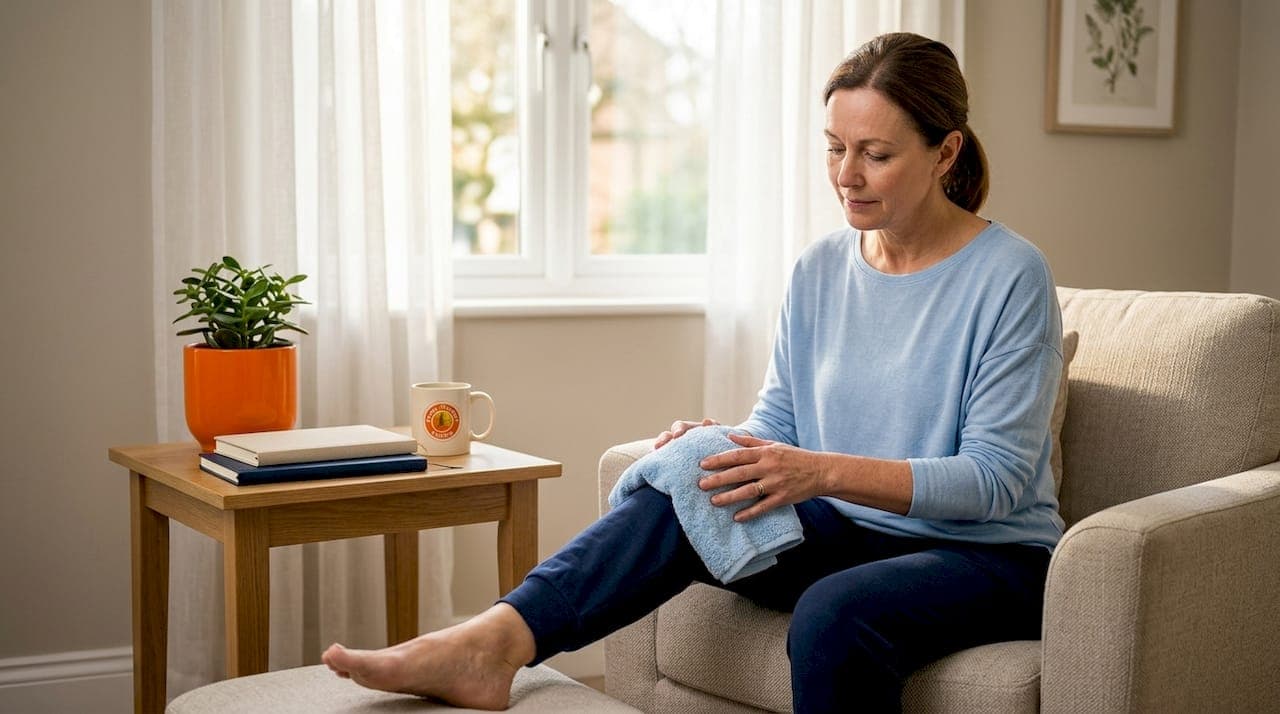
Early controlled movement is one of the most consistently supported principles in knee pain recovery. NHS Inform recommends reducing your overall activity level in the first 24 to 48 hours, but still moving the knee gently for 10 to 20 seconds every waking hour. That is just slow, easy bending and straightening. Enough to keep blood circulating and prevent the joint from seizing up, without adding stress.
Here is a simple framework for the first few days:
- Reduce load. Step back from activities that caused the pain. Avoid running, heavy lifting, or standing for long periods.
- Protect the joint. Use a soft bandage or support if walking is unavoidable. Avoid positions that force the knee into sharp angles.
- Apply ice correctly. Ice is recommended for injury-related pain. Wrap it in a cloth, apply for 15 minutes, and wait several hours before repeating. Never apply directly to skin.
- Use heat for non-injury pain. If there is no swelling and the pain is muscular or chronic in nature, a warm compress can ease discomfort similarly, wrapped and applied for 15 minutes at a time.
- Elevate when resting. Propping the leg up on a pillow reduces swelling and improves fluid drainage.
- Consider over-the-counter pain relief. Anti-inflammatories like ibuprofen can help in the short term if you have no contraindications. Always follow dosage instructions and speak to a pharmacist if uncertain.
Pro Tip: Set a gentle hourly reminder on your phone to do a small range-of-motion movement with the knee. Ten seconds of easy bending is enough. Skipping this step is the most common reason early knee pain drags on far longer than it needs to.
"The best recovery balance is short, gentle, frequent movements while reducing overall load. Patients who get this right early tend to recover significantly faster than those who rest completely or ignore the pain."
Watch for symptoms that signal you should not wait. These include sharp or worsening pain despite rest, significant swelling within the first hour, a sensation that the knee is giving way, or visible deformity. Any of these warrant prompt medical attention rather than continued home care.
Exercise strategies for lasting knee pain relief
Once the initial acute phase settles, movement stops being a risk and starts being part of the solution. The best exercises for knee pain are not punishing gym circuits. They are deliberate, targeted, and progressive.
The muscles that matter most around the knee are the quadriceps at the front of the thigh, the hamstrings at the back, and the hip abductors on the outside of the hip. When these are weak or imbalanced, the knee joint absorbs forces it should not have to. Strengthening them reduces that load directly.
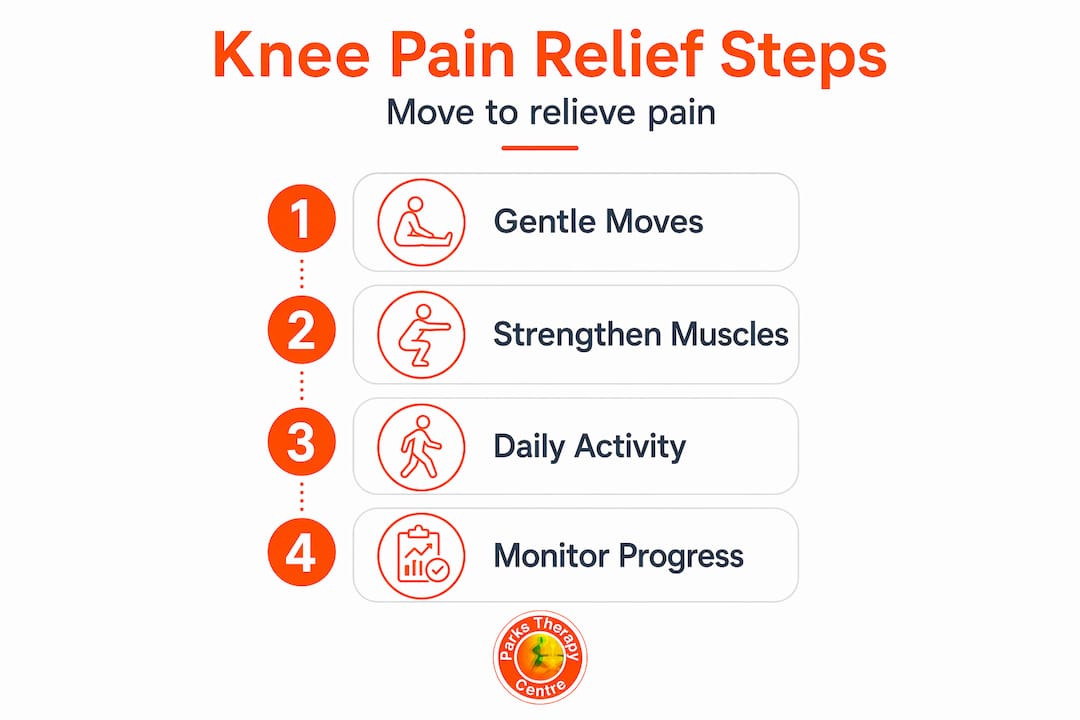
Exercises that tend to work well include:
- Straight leg raises. Lying flat, raise one leg to about 45 degrees and hold for a few seconds. This targets the quadriceps without bending the knee under load.
- Mini squats. Standing with feet hip-width apart, bend slightly as if you are about to sit down, then return to standing. Keep knees behind your toes.
- Calf raises. Standing at a worktop for balance, rise onto your toes slowly. This builds lower-leg strength that supports knee stability.
- Side-lying leg lifts. Lying on your side, lift the top leg straight up. This works the hip abductors, which are often overlooked but critical for knee alignment.
- Hamstring curls. Standing and holding a surface for support, bend the knee to bring your heel toward your backside slowly.
Pro Tip: Start with two sets of ten repetitions for each exercise, and only increase when the current level feels entirely comfortable. Pushing too hard too soon is what turns a manageable knee problem into a persistent one.
Therapeutic exercise improves pain and physical function in knee osteoarthritis and should be attempted before any surgical treatment. The evidence here is consistent across multiple studies and exercise types. Importantly, exercise should be personalised to account for age, pain severity, and joint damage to get the best outcomes and keep you sticking with it.
Here is a comparison of common exercise approaches:
| Exercise type | Best for | Caution |
|---|---|---|
| Strengthening exercises | Building muscle support around the joint | Avoid if acute swelling is present |
| Low-impact aerobic (cycling, swimming) | Cardiovascular health without joint stress | Adjust seat height carefully on a bike |
| Stretching and flexibility work | Reducing tightness and improving range of motion | Hold stretches, do not bounce |
| Balance and proprioception training | Reducing instability and risk of re-injury | Start near a wall or stable surface |
Working with a physiotherapist, even for a few sessions, can make a significant difference to how you structure your programme. They can identify weaknesses you are not aware of, correct your technique, and help you avoid knee injury risks that often come from well-intentioned but poorly executed exercise. For complementary home-based work, physiotherapy home exercises can support what you do in clinic between appointments.
Lifestyle changes that alleviate knee pain day to day
Exercise is one piece of the picture. How you live the rest of your day has a surprising amount of influence on how your knee feels.
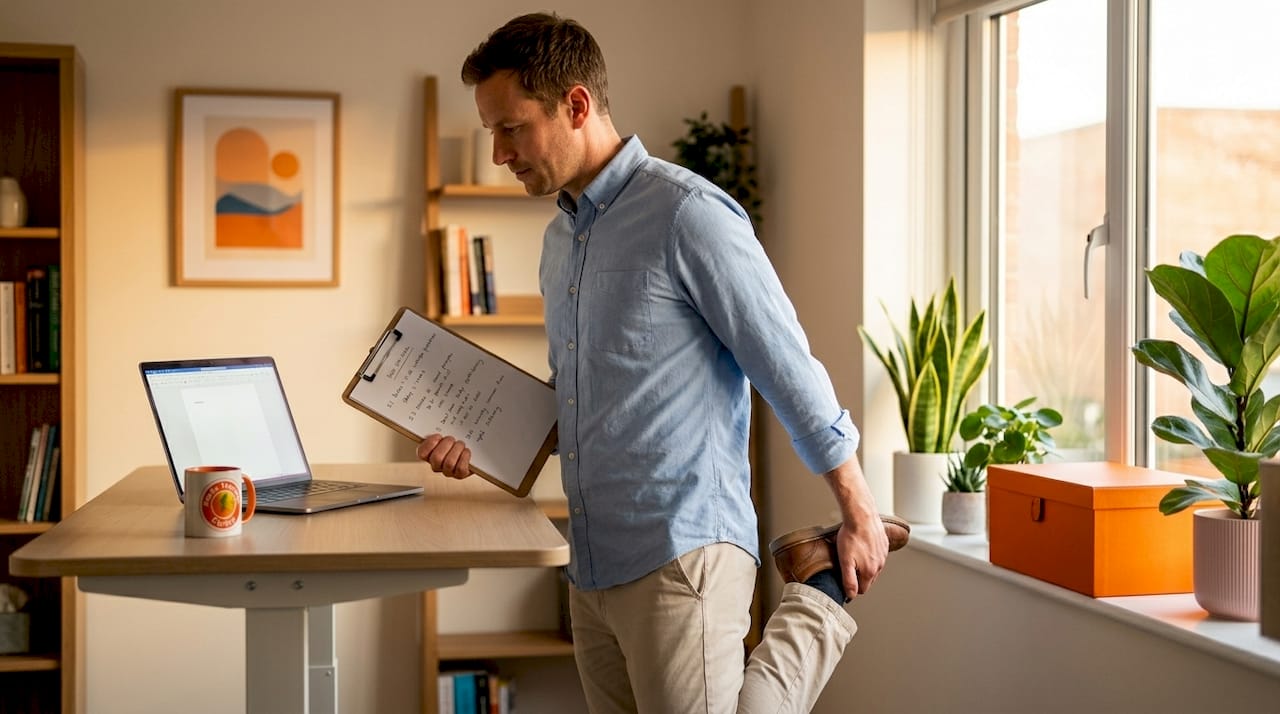
Body weight is the most direct variable. Every kilogram of extra weight adds roughly three to four kilograms of force through the knee joint when walking. Weight management and low-impact activity like swimming and cycling are recommended specifically because they let you stay active without compounding the mechanical stress. Even a modest weight reduction of five to ten per cent of body weight can produce noticeable improvements in pain levels.
Practical daily habits that make a real difference include:
- Choose your footwear deliberately. Flat, unsupportive shoes increase knee strain. Shoes with cushioning and a slight heel raise are better for most people with anterior or general knee pain.
- Modify how you sit. Sitting with knees deeply bent for long periods stiffens the joint. Try to keep knees at roughly 90 degrees when seated and stand up to move around every 30 to 40 minutes.
- Manage stairs carefully. Lead with the stronger leg when going up, and the weaker one coming down. This distributes the load more efficiently and reduces sharp pain.
- Pace your activity. Rather than a single long walk that leaves you sore for two days, break movement into shorter, more frequent outings. Your knee responds better to regular, moderate use than to feast-and-famine patterns.
- Prioritise sleep. Knee pain worsens at night for many people due to inflammatory fluid accumulation and reduced movement, creating a feedback loop that lowers your pain threshold. Poor sleep amplifies pain sensitivity the following day. A supportive pillow under the knee and managing evening inflammation can genuinely improve this.
The psychological dimension of chronic pain is underestimated. Multimodal non-surgical treatment combining education, exercise, and weight management is well-supported by guidelines, yet many people do not access it because the combination feels overwhelming. Breaking it down into one change at a time makes it sustainable.
When to seek professional help
Self-management is appropriate and effective for most cases of mild to moderate knee pain. But there are clear thresholds where continuing without professional input is counterproductive.
Seek assessment if you experience any of the following: pain that persists beyond six weeks despite self-care, swelling that does not reduce over several days, a feeling of instability or the knee giving way under you, or inability to fully straighten or bend the knee. These are not catastrophic signs on their own, but they indicate something that a physical examination and possibly imaging can clarify.
A physiotherapist or GP will typically begin with a detailed movement assessment. Depending on what they find, imaging such as X-ray or MRI may be recommended to assess bone, cartilage, or soft tissue damage. Treatment escalates based on severity, from conservative measures like targeted physiotherapy and anti-inflammatory medication through to corticosteroid or hyaluronic acid injections, and in more advanced cases, surgical options such as arthroscopy, osteotomy, or total knee arthroplasty.
Here is a comparison of professional treatment options:
| Treatment option | Suitable when | Typical outcomes |
|---|---|---|
| Physiotherapy | Most diagnoses, all stages | Pain reduction, improved function over weeks to months |
| Anti-inflammatory medication | Acute flare-ups or chronic inflammation | Short-term relief, not a long-term solution |
| Corticosteroid injection | Persistent inflammation unresponsive to physio | Temporary relief, usually three to six months |
| Knee arthroplasty (replacement) | Severe osteoarthritis with poor quality of life | Significant long-term pain relief, long rehabilitation |
The important point is that treatment must be tailored to your specific diagnosis and circumstances. What works for one type of knee pain can worsen another. This is why an accurate diagnosis is not a formality. It is the foundation of getting better. Emerging areas such as regenerative medicine, including platelet-rich plasma therapy, show promise but remain more accessible in private care settings.
What I have seen actually makes the difference
In my experience, the gap between people who recover well from knee pain and those who struggle for years almost never comes down to the severity of the diagnosis. It comes down to behaviour in the early weeks and the quality of the plan they follow.
The most common misstep I see is the all-or-nothing approach. Either patients do nothing because they are afraid of making things worse, or they push hard through exercise because they believe pain means progress. Neither works. The NHS-recommended approach of small, frequent, gentle movements in the early phase genuinely changes outcomes, and most people never hear about it.
The second thing I have learned is that adherence to an exercise programme is far more important than which exercises you do. A physiotherapy plan you can follow three times a week for two months will beat a technically superior plan you abandon after a fortnight. I always encourage people to start conservatively, build slowly, and treat early consistency as the primary goal.
My honest take is this: if your knee pain is affecting how you sleep, walk, or work, it is already a quality of life issue, and you deserve a proper assessment. Home care is a solid starting point, not a complete solution. The earlier you involve a professional, the fewer complications tend to arise.
— Ivan
Ready to get proper support for your knee pain?
If self-care is helping but not enough, or if your knee pain has been going on for more than a few weeks, it is time to speak with someone who can give you a clear picture of what is happening and a structured plan to address it.
Parkstherapycentre has been helping people in Bedfordshire and Buckinghamshire with musculoskeletal conditions since 1986. The team offers expert physiotherapy assessments, tailored exercise programmes, and a range of physiotherapy techniques to match your specific needs. Whether you are dealing with a recent knee injury, chronic osteoarthritis, or something in between, professional guidance makes a meaningful difference to how quickly and fully you recover. Book an appointment or find out more at Parkstherapycentre.
FAQ
What causes knee pain in adults?
Knee pain in adults most commonly results from osteoarthritis, ligament sprains, tendon inflammation, meniscus tears, or overuse injuries. The underlying cause determines the most appropriate treatment approach.
How do I relieve knee pain at home?
Apply ice for injury-related pain and use gentle movement every hour to prevent stiffness. Over-the-counter anti-inflammatories and elevation can also help reduce discomfort in the early stages.
What are the best exercises for knee pain?
Straight leg raises, mini squats, calf raises, and side-lying leg lifts strengthen the muscles supporting the knee. Therapeutic exercise consistently improves pain and function, especially in osteoarthritis.
When should I see a doctor about knee pain?
Seek assessment if pain persists beyond six weeks, if there is significant swelling, instability, or a loss of full range of motion. These signs suggest a condition that requires professional diagnosis rather than continued self-management.
Does losing weight help knee pain?
Yes. Every kilogram of excess weight places additional force through the knee joint during normal movement. Even modest weight reduction through low-impact activity and dietary change can produce measurable reductions in knee pain.