
TL;DR:
- Modern research confirms acupuncture causes measurable physiological effects that reduce pain.
- Acupuncture effectively manages chronic pain when combined with other treatments over several sessions.
- It is a safe, evidence-based adjunct therapy that complements conventional medical and physiotherapy approaches.
Acupuncture divides opinion like few treatments in modern healthcare. Some dismiss it as mystical nonsense, while others swear it ended years of chronic pain. For people living with persistent musculoskeletal discomfort in Bedfordshire and Buckinghamshire, that confusion is genuinely unhelpful. The reality is that acupuncture has moved well beyond ancient tradition. Decades of clinical research now offer concrete physiological explanations for how it reduces pain, and a growing evidence base supports its use as part of a broader management strategy. This guide cuts through the noise and gives you the facts.
Table of Contents
- What is acupuncture and how does it work?
- Core mechanisms: beyond placebo and into the brain
- Evidence and real-world effectiveness for different types of pain
- Controversies, safety, and integration with conventional care
- Our perspective: what most pain sufferers and clinicians overlook about acupuncture
- Find support for pain management in Bedfordshire and Buckinghamshire
- Frequently asked questions
Key Takeaways
| Point | Details |
|---|---|
| More than placebo | Acupuncture regulates nerves, brain, and immune pathways to reduce pain—effects stronger than sham treatments. |
| Best for chronic pain | The strongest evidence supports acupuncture for chronic and musculoskeletal pain, especially as part of an integrated plan. |
| Treatment requires commitment | Courses of 6-12 sessions over several weeks yield the best and most sustained pain relief. |
| Safe and cost-effective | Acupuncture is typically safe for most adults and offers a cost-conscious way to complement medical care. |
What is acupuncture and how does it work?
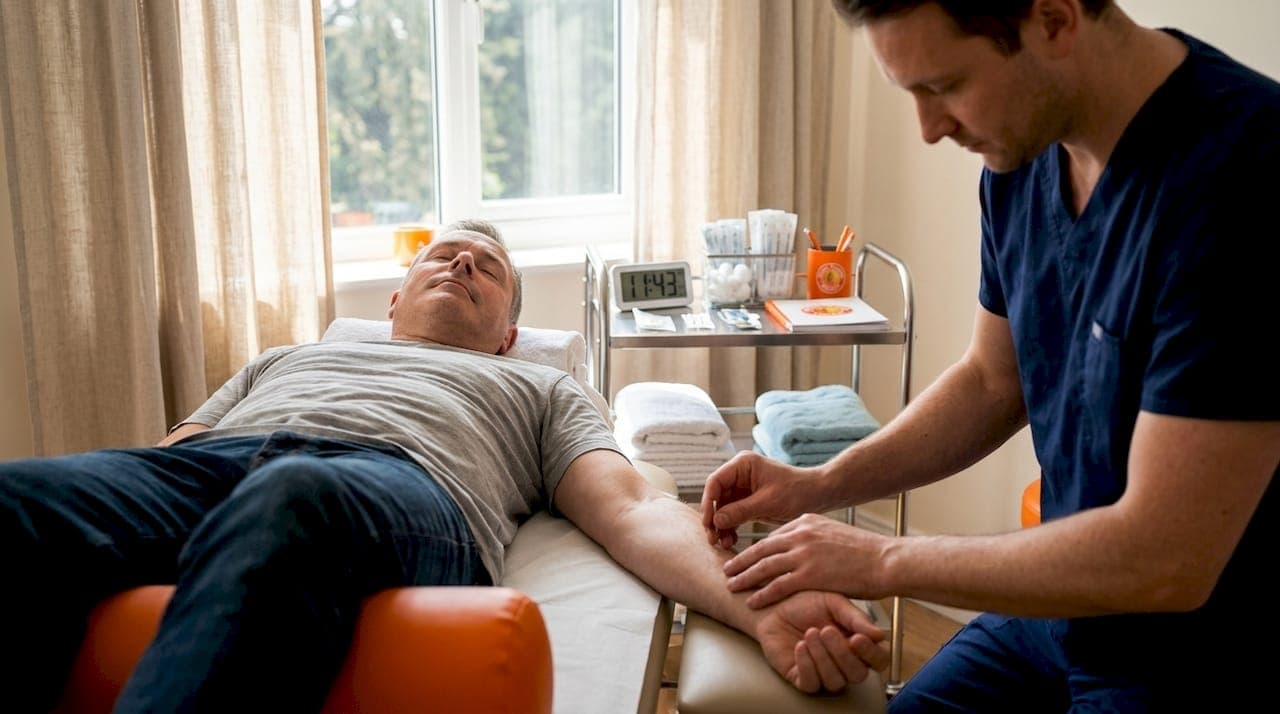
Acupuncture is a treatment technique that involves inserting very fine, sterile needles into specific points on the body, known as acupoints. It originated in traditional Chinese medicine thousands of years ago, but modern clinical acupuncture focuses on the measurable effects these needles produce in the nervous system, immune response, and brain chemistry. It is not mysticism dressed up as medicine. It is a technique with identifiable physiological actions that researchers are still working to fully understand.
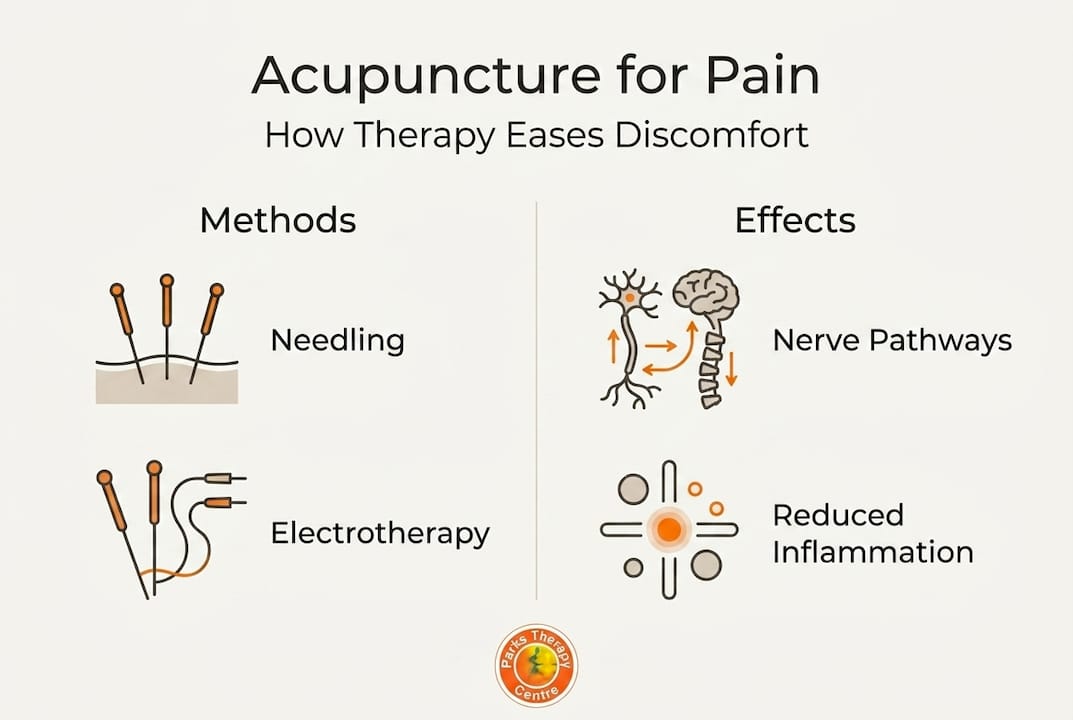
When a needle is inserted at an acupoint, it stimulates sensory nerve fibres in the surrounding tissue. This sets off a cascade of reactions at multiple levels of the body. Acupuncture involves inserting fine needles at specific acupoints to stimulate sensory nerves, producing local physiological responses, suppressing nociceptive signalling (the process by which the body detects and transmits pain signals) at spinal and supraspinal levels, releasing endogenous opioids and other biochemical mediators, modulating brain networks for sensory, affective, and cognitive pain processing, and targeting underlying causes like inflammation via autonomic pathways. In plain terms, the needle does far more than just sit there.
Here is a summary of those key actions:
- Local tissue response: Needling triggers the release of adenosine and other chemicals at the insertion site, which reduces local inflammation and pain sensitivity.
- Spinal modulation: Nerve signals travel to the spinal cord, where they dampen the transmission of pain impulses travelling upward to the brain.
- Brain chemistry changes: The brain releases its own natural pain-relieving compounds, including endorphins and enkephalins, in response to needle stimulation.
- Autonomic nervous system effects: The balance between the sympathetic (fight or flight) and parasympathetic (rest and digest) nervous systems can shift, affecting inflammatory processes across the body.
- Brain network modulation: Acupuncture appears to influence how brain regions involved in processing and interpreting pain communicate with one another.
Understanding the acupuncture therapy benefits in this context helps you see why so many chronic pain patients report meaningful relief. It is not simply relaxation or distraction. Something measurable is happening in your nervous system.
Core mechanisms: beyond placebo and into the brain
One of the most persistent myths about acupuncture is that it is "just placebo." This claim deserves serious attention, because it is both partially understandable and substantially wrong.
Placebo effects are real and powerful, but they cannot fully account for what acupuncture produces. Research using neuroimaging, blood analysis, and randomised controlled trials has identified specific physiological changes that occur during and after acupuncture treatment. Acupoint specificity is relative, influenced by technique, stimulation parameters, and practitioner skill. Electroacupuncture (a variation using mild electrical current through the needles) recruits neutrophils and beta-endorphins locally, while neuroimaging demonstrates modulation of the default mode network (DMN), salience network (SN), and periaqueductal grey (PAG) region, all areas involved in how the brain processes and regulates pain. Crucially, acupuncture effects are not solely placebo, as they are consistently superior to sham needle controls.
"Neuroimaging shows acupuncture modulates the default mode network, salience network, and periaqueductal grey, all critical regions for pain regulation. These are not effects you can generate simply through expectation."
The key mechanisms supported by research include:
- Neuromodulation: Acupuncture alters how nerve signals are transmitted and received along pain pathways, from the point of needle insertion all the way to cortical processing in the brain.
- Endogenous opioid release: The body releases its own opioid-like compounds, including beta-endorphins, dynorphins, and enkephalins, in response to needle stimulation. These are the same class of molecules that prescription pain medications attempt to mimic.
- Immune system engagement: Electroacupuncture, in particular, has been shown to recruit immune cells (neutrophils) to sites of inflammation, helping to resolve the inflammatory process that sustains many chronic pain conditions.
- Brain network reconfiguration: Repeated acupuncture sessions may produce lasting changes in how pain-relevant brain networks communicate, potentially offering longer-term relief rather than just session-by-session benefit.
Pro Tip: When seeking acupuncture for pain management, ask your practitioner whether they use electroacupuncture or manual needle techniques, as research suggests each recruits slightly different physiological mechanisms. The proven acupuncture benefits of each approach differ depending on the type and location of pain, and a skilled therapist will tailor the technique to your specific presentation.
It is also worth noting that acupuncture does not operate in isolation in terms of therapeutic mechanisms. Many of the same neural pathways that physiotherapy pain relief techniques engage are also influenced by acupuncture, which is why the two treatments often complement each other particularly well in clinical settings.
Evidence and real-world effectiveness for different types of pain
Knowing how acupuncture works in theory is one thing. Knowing whether it actually helps people with your type of pain is quite another. The evidence base has grown substantially over the past decade, though it is not uniform across all conditions.
More effective as adjunct to conventional therapies, with heterogeneous evidence quality across conditions, limited effectiveness for acute pain, and optimal results seen with protocols of 6 to 12 weeks using 2Hz low-frequency electroacupuncture. Effects are smaller when compared against penetrating sham needles than when compared against no treatment, which is partly a methodological issue rather than a sign of clinical irrelevance.
Here is a summary of the evidence across the most relevant pain conditions:
| Pain condition | Evidence strength | Best protocol | Notes |
|---|---|---|---|
| Chronic low back pain | Strong | 6 to 12 sessions over 6 to 12 weeks | Effective vs. usual care; best as adjunct |
| Neck and shoulder pain | Moderate to strong | Weekly sessions, 8 to 10 weeks | Particularly useful for myofascial pain |
| Osteoarthritis (knee) | Moderate | 8 to 12 sessions | Significant reduction in pain and stiffness |
| Headache and migraine | Strong | Preventive courses of 8 to 10 sessions | Comparable to prophylactic medication |
| Chronic widespread pain | Moderate | Long-term, low-frequency approach | Works best combined with exercise |
| Acute post-surgical pain | Limited | Short-term adjunct only | Less evidence; not first-line for acute pain |
For chronic musculoskeletal pain, which is the most common reason people in Bedfordshire and Buckinghamshire seek acupuncture for sports recovery or general pain management, the evidence is clear enough to support a meaningful clinical recommendation.
Here is what you can realistically expect from a standard course of treatment:
- Sessions 1 to 3: Your body is adapting to the treatment. You may notice mild soreness at needle sites, a temporary increase in awareness of pain, or early signs of relaxation and improved sleep.
- Sessions 4 to 6: Most patients begin to notice a measurable reduction in pain intensity. Functional improvements often appear at this stage, such as better range of movement or reduced reliance on pain medication.
- Sessions 7 to 10: Cumulative effects become more pronounced. Pain scores typically continue to decline, and many patients report improvements in mood and energy, likely linked to changes in brain chemistry.
- Beyond session 10: Maintenance sessions (monthly or bimonthly) are often recommended for chronic conditions to preserve the gains made during the initial course.
Setting realistic expectations is important. Acupuncture is not a single-session fix for long-standing pain. It requires commitment to a course, just as physiotherapy does, and works best when embedded in a broader management plan rather than used in isolation.
Controversies, safety, and integration with conventional care
No treatment exists without debate, and acupuncture is no exception. There are genuine scientific discussions happening about how to interpret the evidence, and it is worth being aware of them.
The central controversy centres on the distinction between efficacy and effectiveness. Efficacy refers to how well acupuncture performs compared to a sham (placebo) version of itself. Effectiveness refers to how well it performs compared to doing nothing or continuing usual care. Strong evidence base increased substantially between 2017 and 2022, but some clinical guidelines prioritise efficacy over effectiveness, leading to contentious decisions, including the UK's NICE reversal of acupuncture recommendations for certain conditions. Critics of this approach point out that sham needles are not truly inert. They also stimulate nerve endings, which means the comparison may underestimate the true benefit of verum (real) acupuncture.
Here is how acupuncture compares when considered in its full clinical context:
| Comparison type | Acupuncture outcome | Clinical significance |
|---|---|---|
| Vs. no treatment | Consistently superior | Strong evidence across multiple conditions |
| Vs. sham acupuncture | Moderately superior | Effects partially but not wholly shared with sham |
| Vs. usual medical care | Often equivalent or superior | Particularly relevant for chronic pain management |
| As adjunct to usual care | Consistently additive benefit | Best evidence supports this approach |
| Cost-effectiveness | Favourable in long-term | Especially for chronic pain with high healthcare burden |
In terms of safety, acupuncture performed by a qualified practitioner carries a very low risk profile. Serious adverse events are rare. The most common side effects are minor bruising, mild soreness at needle sites, and occasional lightheadedness during a session. These typically resolve within 24 hours.

Pro Tip: When integrating acupuncture with your existing treatments, keep a simple pain diary. Record your pain scores before and after each session, note any changes in function or sleep, and share this with both your acupuncturist and your GP or physiotherapist. This approach, supported by evidence-based physiotherapy principles, helps ensure your care team can adjust your programme based on real data rather than guesswork.
Practical steps for integrating acupuncture into a broader care plan:
- Discuss acupuncture with your GP or physiotherapist before starting, particularly if you are taking anticoagulant medication.
- Ensure your acupuncturist is registered with a recognised professional body such as the British Acupuncture Council or is a physiotherapist with postgraduate acupuncture training.
- Do not stop prescribed medication without medical advice, even if acupuncture is producing good results.
- Combine acupuncture with active rehabilitation. Passive treatment alone rarely produces lasting change for chronic pain.
Our perspective: what most pain sufferers and clinicians overlook about acupuncture
Here is something we see repeatedly: patients arrive having tried acupuncture once or twice, declared it did not work, and written it off. And clinicians sometimes dismiss it based on guideline summaries that emphasise efficacy data over what actually happens in a real consultation room.
Both groups are missing something important.
Mechanisms extend beyond placebo via specific neuromodulation, and multimodal approaches combining acupuncture with exercise consistently produce better outcomes than either intervention alone. Yet patients and practitioners alike still tend to treat acupuncture as a standalone last resort rather than as an intelligent addition to a structured rehabilitation programme.
The other overlooked truth is about expectation management. Chronic pain does not develop overnight. It involves changes in the nervous system, muscle function, posture, and often psychological wellbeing. Expecting any single therapy to reverse all of that quickly is unrealistic. When acupuncture is integrated with manual therapy evidence and progressive exercise, the outcomes are substantially better than when it is used alone and evaluated after only a handful of sessions.
We also encourage patients to stop viewing acupuncture as an either/or choice against conventional medicine. The best outcomes we see clinically are in patients who arrive open to a multimodal strategy, track their progress honestly, and give the treatment a proper course rather than a brief trial. The evidence supports this approach. More importantly, real patients with real pain in our communities report meaningful results when it is delivered this way.
Find support for pain management in Bedfordshire and Buckinghamshire
If you have been living with chronic pain or a persistent musculoskeletal problem and wondering whether acupuncture might help, the most valuable step is speaking with a qualified practitioner who can assess your specific condition and recommend an evidence-based treatment plan.

At The Parks Therapy Centre, established in 1986, our team of qualified physiotherapists and acupuncture practitioners works across multiple locations in Bedfordshire and Buckinghamshire. We integrate acupuncture with physiotherapy, manual therapy, and rehabilitation exercise to deliver the kind of multimodal care that research consistently supports. We accept most major insurance policies and offer straightforward online booking, so getting started is simple. Whether your pain stems from a sports injury, a long-term condition, or a workplace strain, we can help you build a plan that is grounded in evidence and tailored to your life. Visit The Parks Therapy Centre to book your initial assessment today.
Frequently asked questions
Does acupuncture really work for pain?
Multiple clinical studies confirm that acupuncture is superior to sham controls for many chronic pain conditions, and its effects are not solely attributable to placebo, particularly when combined with other therapies.
What does an acupuncture session involve?
A therapist inserts fine, sterile needles at selected body points to stimulate sensory nerves, as confirmed by research showing local physiological responses, with most patients experiencing minimal discomfort and a sense of relaxation during the session.
How many sessions are needed for pain relief?
Clinical evidence recommends 6 to 12 sessions over several weeks for optimal results, with lower-frequency electroacupuncture showing particularly consistent outcomes for musculoskeletal conditions.
Is acupuncture safe for everyone?
Acupuncture is considered a safe, cost-effective option for most adults when delivered by a qualified practitioner, though certain medical conditions and medications require discussion with your GP beforehand.
Can acupuncture replace my medication or physiotherapy?
Acupuncture is most effective as an adjunct to conventional treatments and should complement rather than replace medical guidance, prescribed medication, or physiotherapy-led rehabilitation.